Canada taps Puffer to lead $115B green taxonomy — SkimNews

Get the Finance newsletter
Daily finance — markets, central banks, M&A, the prints that move money. Free.
- Marlene Puffer, a veteran pension-fund executive and former CIO of Alberta Investment Management Corp., was appointed chair of the Taxonomy and Transition Planning Council to develop Canada's green and transitionary investment taxonomy.
- The taxonomy aims to mobilize at least $115 billion in capital annually to meet Canada's 2050 net-zero targets, setting sector-specific criteria that distinguish green investments (renewable energy) from transitionary investments (decarbonizing high-emitting industries).
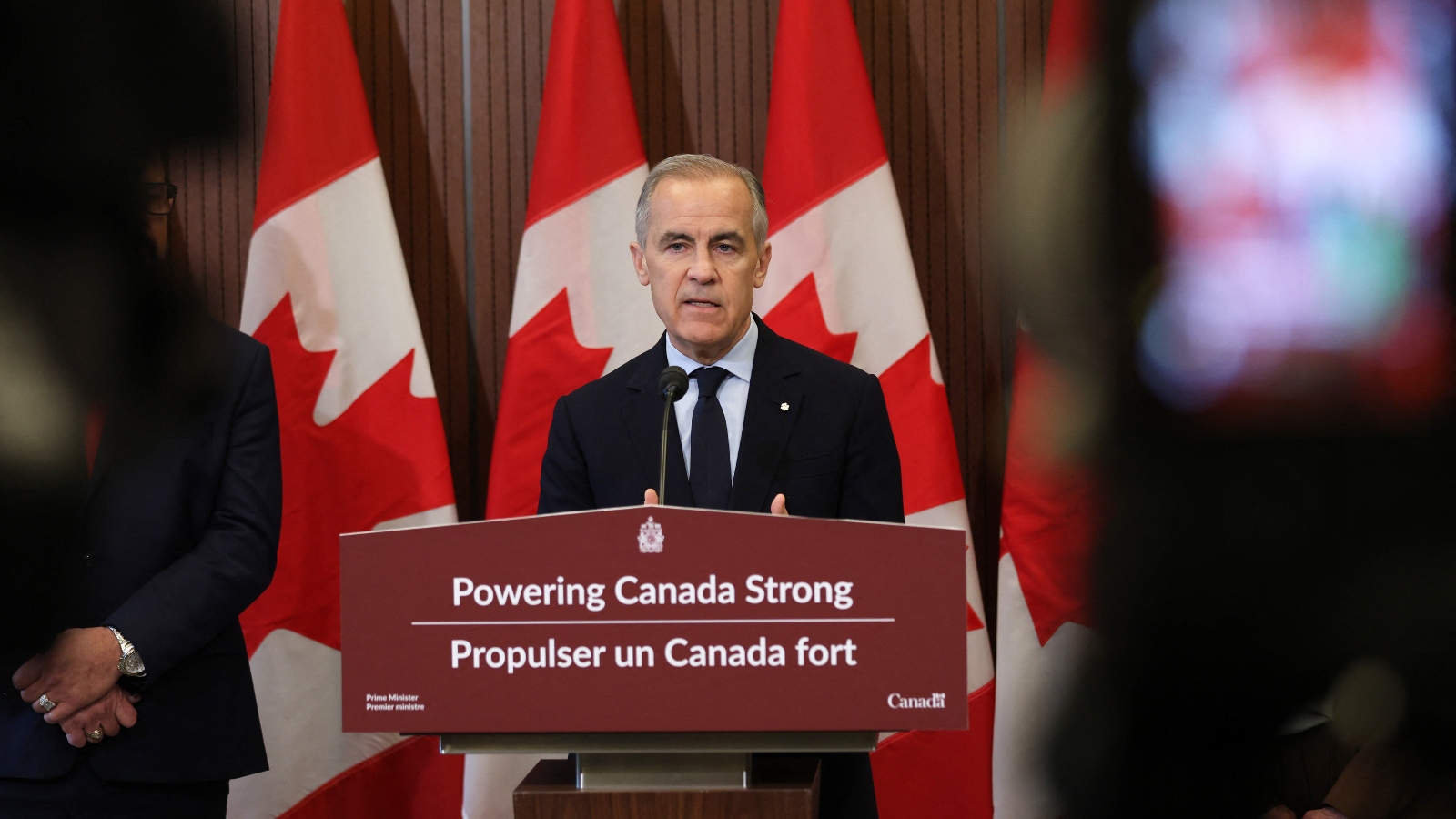
- The government of PM Mark Carney formalized the process last December by naming two organizations to coordinate taxonomy development, with the council set to deliver guidance for three industrial sectors this year and three more in 2027.
- Puffer said institutional investors still want a Canadian taxonomy despite the war in Iran driving up oil prices, noting up to 60 jurisdictions worldwide have implemented or are developing similar frameworks even as the Trump administration moves to purge ESG from US financial markets.
- The council's membership includes University Pension Plan Ontario CEO Barb Zvan, Transition Accelerator principal Bentley Allan, RBC Capital Markets' Sarah Thompson, and UBC professor Simon Donner, with nearly 60 additional experts in financial services and technical advisory groups.
- Investors for Paris Compliance, a coalition of environmental advocacy groups, demanded the taxonomy be simple, globally interoperable, uphold Indigenous rights, and ensure 'transition' means a shift away from fossil fuels — not just mitigation.
- Puffer called the taxonomy 'the missing link' she wished she had as a pension CIO, citing early evidence that the approach lowers the cost of capital, with initial use to be voluntary.
Why it matters: Canada's standardized taxonomy gives institutional investors a credible, interoperable tool to direct capital toward verified green projects at a moment when 60 jurisdictions are building similar frameworks and the US is retreating from ESG under Trump. But advocates insist the document only matters if 'transition' is defined as a genuine phase-out of fossil fuels rather than incremental mitigation of emissions.
Ask SkimNews