Middle East Oil Shock Accelerates Global Clean Energy Shift — SkimNews
SkimNews Take
Geopolitical shocks that spotlight fossil fuel dependence also inflate the materials and capital costs of replacing them, so each crisis pulls the transition in two directions at once — and government pledges will increasingly hinge on who absorbs that inflation.
Get the Energy newsletter
Daily energy & climate — solar, EVs, oil, the policy fights and tech bets shaping the transition. Free.
- The Middle East war has triggered what analysts describe as "the worst oil and gas supply shock in history," trapping most of the region's oil and gas supply at the Strait of Hormuz and pushing fossil fuel prices to four-year highs.
- Ember, a green energy think tank, called the crisis "Asia's Ukraine moment," with principal Daan Walter arguing that "Oil volatility means EVs are a common-sense choice for countries wishing to insulate themselves from future shocks."
- Chinese clean energy manufacturers have become the biggest winners, with shares of Chinese battery makers and green energy manufacturers jumping this month as investors bet on surging global demand for renewables and EVs.
- BNP Paribas Asset Management's Ulrik Fugmann, Co-Head of Environmental Strategies, argued that the prolonged cost of a fossil fuel shock "far outweighs the investments needed to continue to build out renewables."
- The fossil fuel price spike creates a paradox for the transition: surging inflation and "higher-for-longer" interest rates risk raising the costs of clean energy materials and installations even as they strengthen the case for going electric.
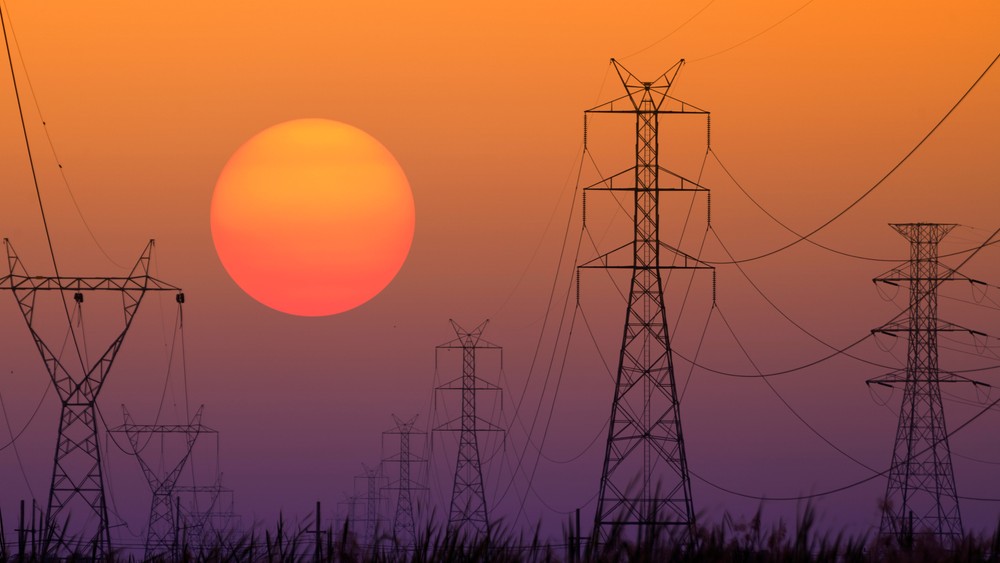
- Massive investment in grids and transmission infrastructure is required beyond spending on turbines, solar panels, battery storage, and EVs, highlighting that the technology to end fossil fuel dependency already exists but the buildout remains the bottleneck.
Why it matters: Fossil fuel importers in Asia face the most immediate exposure to Middle East supply disruption, and the crisis gives them political cover to accelerate renewable buildouts and EV adoption. Chinese manufacturers — already dominant in solar panels, wind turbines, and batteries — stand to capture the lion's share of that new spending, reshaping global clean energy supply chains further in their favor.
Ask SkimNews