Trump rolls back methane rules as NOAA loses staff — SkimNews

Get the Energy newsletter
Daily energy & climate — solar, EVs, oil, the policy fights and tech bets shaping the transition. Free.
- Donald Trump rolled back Biden-era methane rules at a Texas rally on October 27, 2026, claiming $45 billion in savings for energy producers and consumers.link ›
- EPA proposed eliminating the Super Emitter Program, which allowed third-party monitoring of large methane leaks exceeding 100 kilograms per hour.link ›
- NOAA has lost roughly 20% of its staff since January 2025, and the Trump administration proposed a 26% budget cut, worth $1.6 billion, for next year.link ›
- AI-assisted fossil-fuel exploration could add 1.8 gigatonnes of CO₂ a year—roughly Russia’s total emissions—according to a Nature portfolio study.link ›
- The richest 0.1% emit 125 times more per person than the average, according to Oxfam, while investing in the $70 billion–$92 billion climate-adaptation economy.link ›
- Los Angeles Department of Water and Power captured about 37 billion gallons of stormwater in the 2025–2026 water year to boost groundwater supplies.link ›
- San Francisco’s ferry agency plans four battery-powered high-speed ferries over the next two years as part of a $500 million electric overhaul.link ›
- UK ministers are considering carmaker credits worth about £4,000 for V2G hardware, a scheme that could allow extra petrol-car sales and add 147 million tonnes of carbon emissions by 2050.link ›
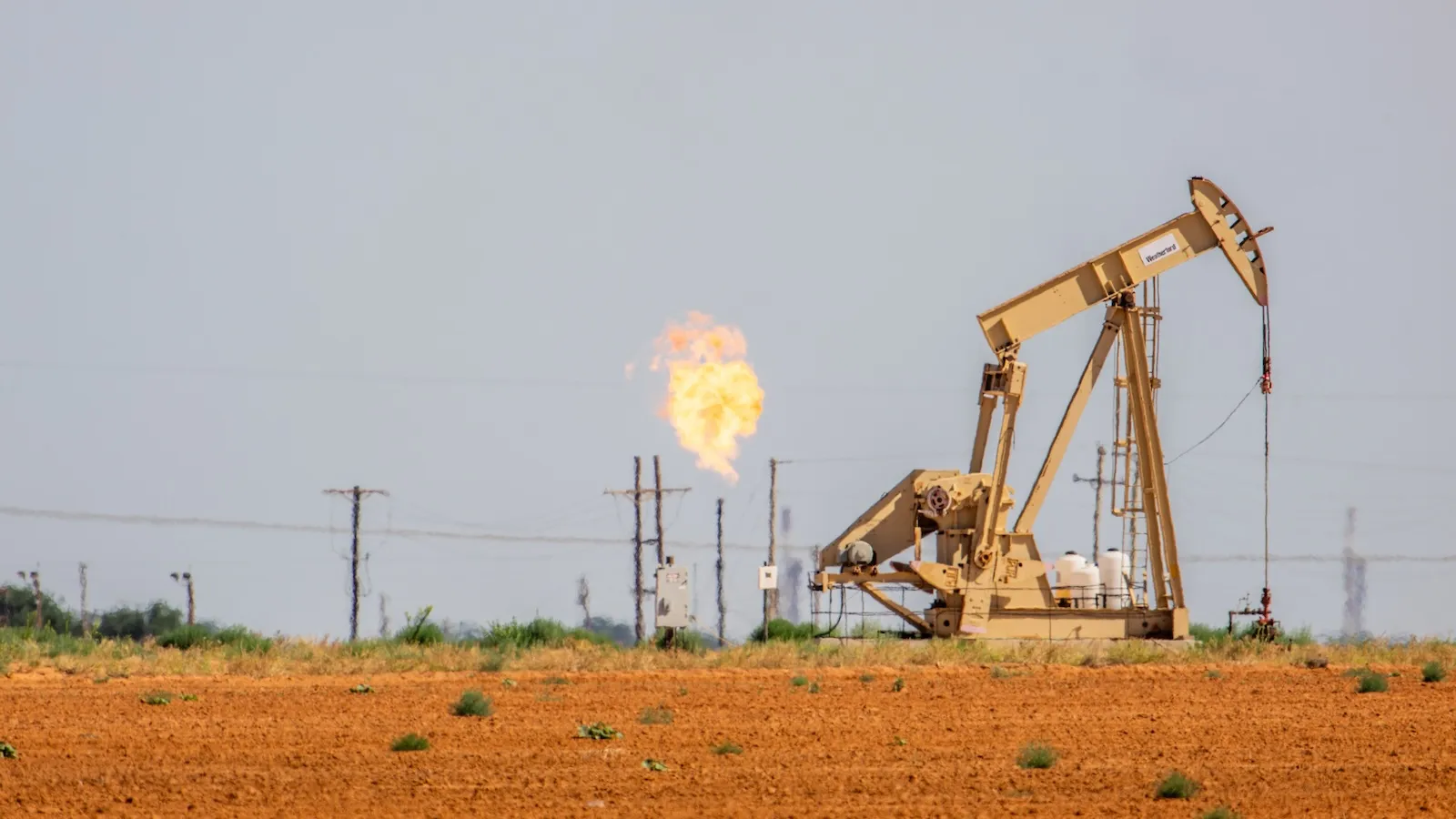
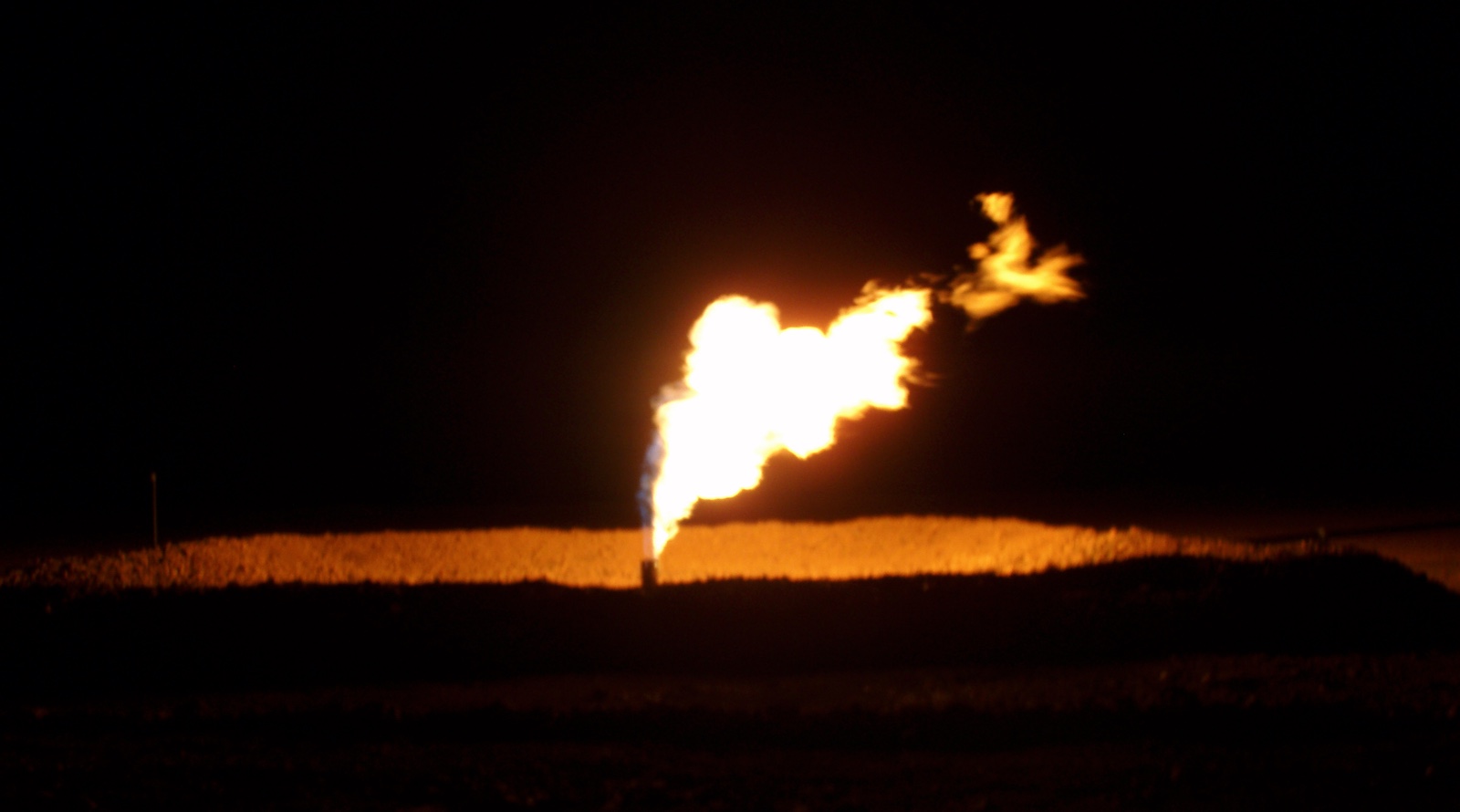
Trump’s Oct. 27 methane rollback was the week’s defining climate decision: he claimed it would save $45 billion for energy producers and consumers while the EPA proposed killing the Super Emitter Program and relaxing rules for marginal wells producing 15 barrels or less per day. That is a subsidy for leakage dressed as affordability. Methane already accounts for roughly 0.5°C of global warming; proposing to end third-party monitoring of leaks above 100 kilograms per hour weakens federal scrutiny of the worst offenders. NOAA’s proposed 26% budget cut, on top of roughly 20% staff loss since January 2025, shows Washington shrinking federal climate-monitoring capacity as El Niño strengthens this winter. The claimed savings are loud; the climate bill is deferred, not erased.
The stories behind this week

AI and Climate Crises Share One Root: Corporate PowerThe convergence of AI expansion and fossil fuel extraction intensifies climate harm while concentrating power in unaccountable hands—communities resisting datacenter projects are already winning material delays, showing that organized opposition can disrupt corporate timelines and redirect resources toward livable futures.

Super-rich profit from climate crisis they caused, Oxfam findsThe richest, responsible for vastly more emissions, are financially insulated and politically empowered to delay climate action, while low-income countries—producing just 8% of emissions—face 1.9m excess heat deaths. This entrenches inequality and shifts crisis costs to those least able to pay.
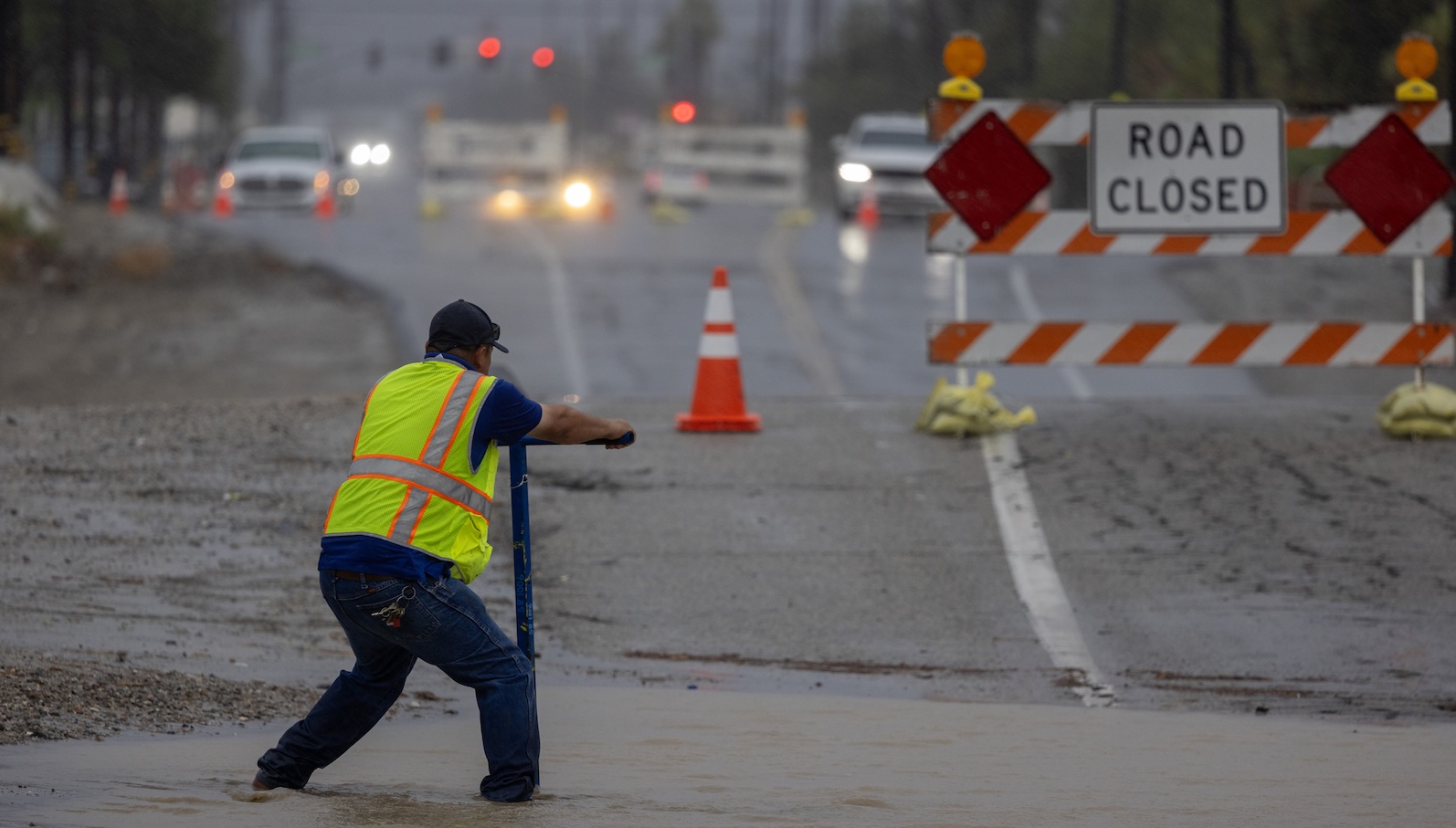
California captures El Niño rain for drought storageCalifornia’s shift to underground water storage leverages wet years to offset drought-driven shortages, reducing reliance on imported water and aging infrastructure. With aquifers capable of holding 50 times more water than reservoirs, this approach changes the economics of water security for cities and farms alike.

Dump Detectives Hunt Fly-Tippers with Evidence from WasteFly-tipping enforcement is intensifying across northern England, with higher fines and active investigations using physical evidence to hold individuals accountable. The £1bn annual public cost and recurring hotspots show this crime directly burdens taxpayers and local governments, making detection and deterrence a material financial issue for councils and communities.

US launches electric hydrofoil ferries in clean transit pushFerry operators gain lower lifetime operating costs and reduced emissions, while U.S. manufacturers could capture domestic jobs in shipbuilding and battery production; the shift hinges on route-specific viability and charging infrastructure coordination, not just environmental goals.

Trump drastically loosens oil and gas methane rulesThe $45 billion in claimed savings benefits fossil fuel producers, especially in Texas, while weakening climate safeguards. With methane responsible for about 0.5°C of global warming, looser rules increase near-term warming risks despite short atmospheric lifespan, undercutting prior federal climate efforts.

Trump Cuts Weaken NOAA Ahead of Major El NiñoWith 2,500 fewer NOAA staff and a 26% proposed budget cut, the US faces heightened risk from El Niño-driven disasters at home and abroad. The loss of real-time data and research capacity directly endangers emergency response, agriculture, shipping, and vulnerable communities—especially as warnings to 26 million people in multiple languages were already compromised.

UK plans EV incentives that let carmakers sell more petrol carsThe proposed V2G credits could let carmakers offset ZEV targets with unproven technology, risking an extra 147 million tonnes of carbon emissions by 2050 if petrol car sales rise. The real beneficiaries may be automakers, not the grid or consumers, if usage lags behind installation.
Why it matters: With methane responsible for about 0.5°C of global warming, proposing to end third-party monitoring of leaks above 100 kilograms per hour makes the claimed $45 billion saving cleaner for producers, not the atmosphere.
Ask SkimNews