North Korea Sub Cruise Missile Test Masks Structural Flaws — SkimNews

Get the Geopolitics newsletter
Daily geopolitics — wars, elections, sanctions, the diplomatic moves that move markets. Free.
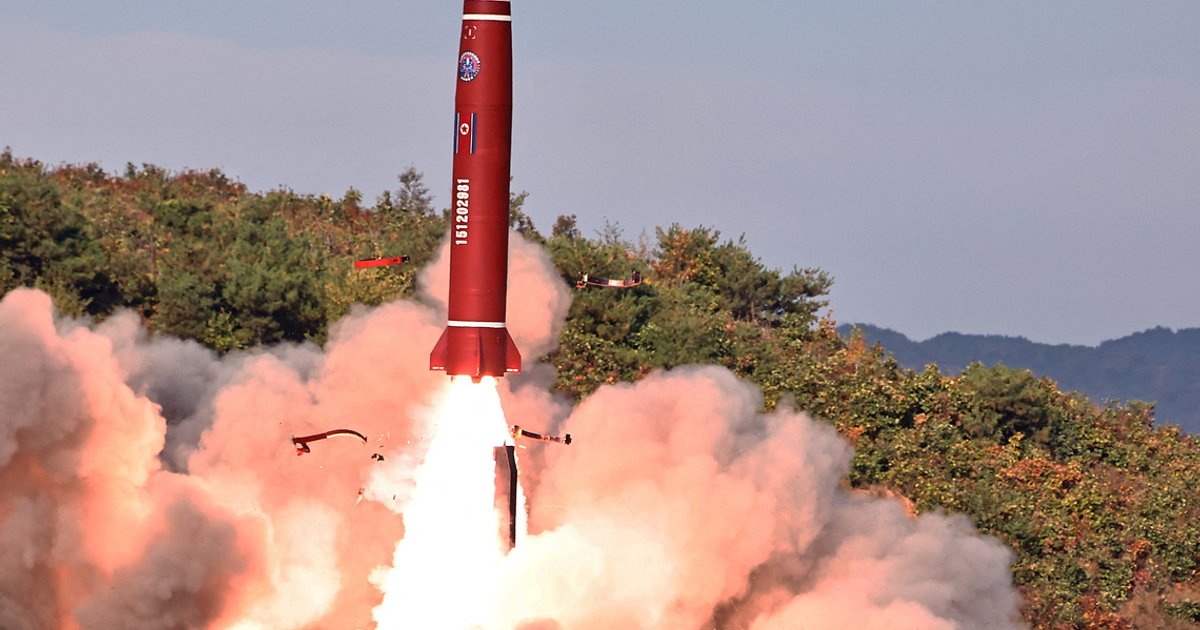
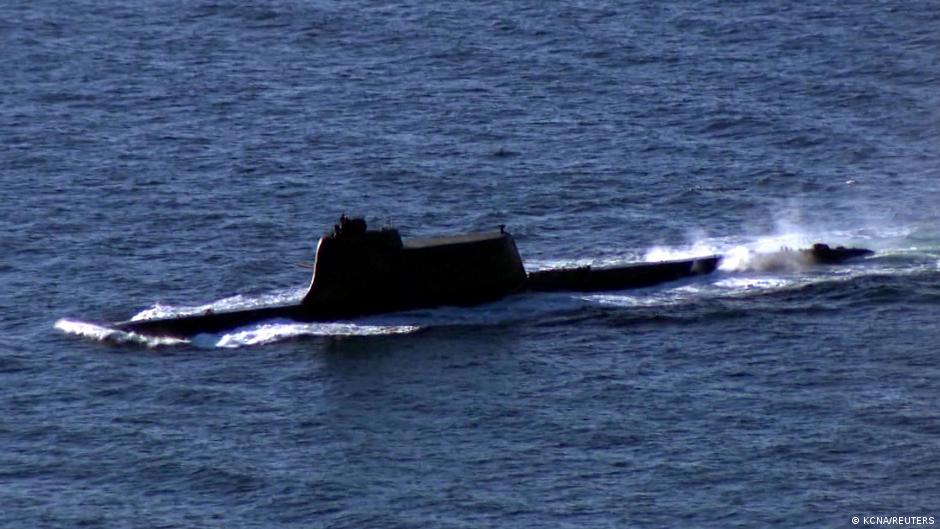
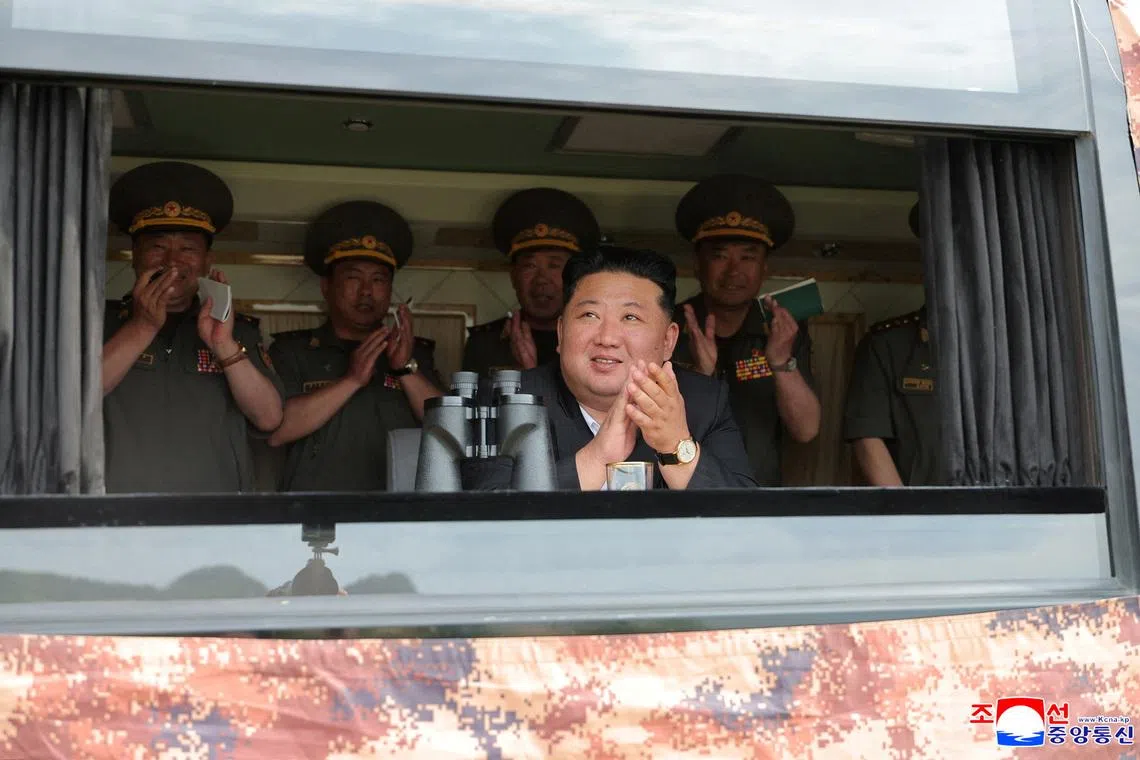
- North Korea test-fired two submarine-launched strategic cruise missiles into the Sea of Japan from the 3,000-ton Hero Kim Kun Ok diesel submarine — its first public underwater cruise missile test in nearly three years, overseen by senior defense officials Kim Jong Sik and Jang Chang Ha.
- South Korea's Joint Chiefs of Staff assessed that one missile was fired from a vertical launch system while the second was deployed horizontally from a torpedo tube, a staggered tactic designed to complicate air defense radar detection.
- Sukjoon Yoon's October 2023 RSIS report identifies structural weaknesses in the Hero Kim Kun Ok: it breaks the standard Romeo-class 10:1 length-to-width ratio, has an elevated center of gravity, an unreliable superstructure, and added stabilizers making it considerably noisier and easier to detect.
- Hong Min's September 2023 KINU report outlines North Korea's dual-track naval strategy: retrofitting approximately 20 aging Romeo-class submarines with vertical launch tubes for short-term tactical deployment, while pursuing true nuclear-powered SSN/SSBN submarines as a long-term goal.
- North Korea released images in December 2025 of the completed welded hull of an 8,700-ton nuclear-powered strategic guided missile submarine, though a compact nuclear reactor remains the pacing challenge with several years of fitting out and sea trials still expected.
- Anton Ponomarenko's May 2026 38North report cites dimensional compatibility between the 8,700-ton hull and Russian Akula-class OK-650 reactors, alongside the suspicious December 2024 sinking of the Russian military-linked freighter Ursa Major, which allegedly carried naval nuclear reactor components for Pyongyang.
- Kim Jong Un in April 2026 oversaw the launch of two nuclear-capable cruise missiles alongside three anti-ship missiles from the 5,000-ton Choe Hyon destroyer off Nampo, demonstrating the surface fleet's role in North Korea's distributed multi-axis strike strategy.
Why it matters: North Korea's distributed cruise missile launch capability across both surface ships and retrofitted submarines complicates South Korean, US, and Japanese anti-submarine tracking across multiple coastal axes, but until Pyongyang fields a quiet, domestically proven nuclear propulsion system — potentially with Russian reactor assistance — its undersea deterrent remains structurally compromised and detectably noisy.
Ask SkimNews