Pakistan Declares Emergency in Khyber-Pakhtunkhwa — SkimNews

Get the Geopolitics newsletter
Daily geopolitics — wars, elections, sanctions, the diplomatic moves that move markets. Free.
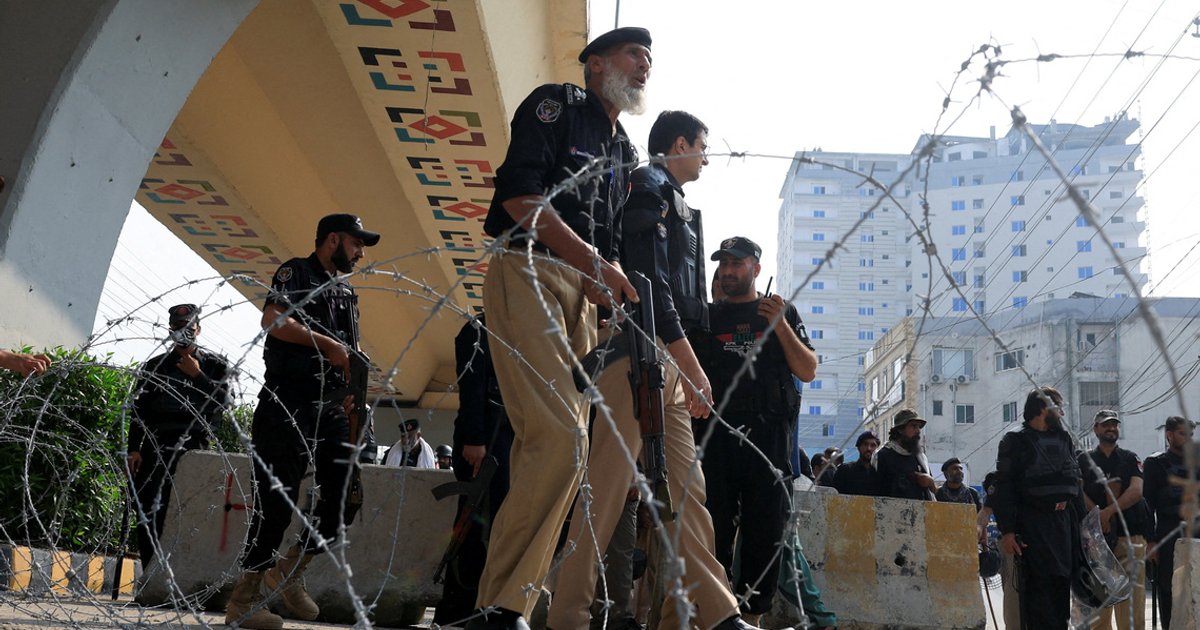
- President Asif Ali Zardari approved the cabinet's emergency recommendation for Khyber-Pakhtunkhwa on October 11, 2026, dismissing Chief Minister Sohail Afridi's PTI government and transferring power to Governor Faisal Karim Kundi under Articles 232 and 234.
- Imran Khan's PTI has been agitating for the former Prime Minister's release since his August 2023 arrest, with a long march to Islamabad postponed first from September 27 to October 4; CM Afridi said releasing him was the only way to defuse the crisis.
- Opposition Leader Mahmood Khan Achakzai announced peaceful protests against the dismissal of a democratically elected government, while PTI held nationwide rallies, hundreds of leaders — including Khan's three sisters — courted arrest, and tribal chiefs called for armed resistance.
- Pakistan's military alleged the Afghan Taliban is routing TTP fighters through KP as a staging ground for attacks across Pakistan; critics countered that Pakistan is training pre-Taliban Afghan officials and possibly supporting ISKP.
- ISKP expert Khalilullah Safi told The Hindu the KP crisis is linked to the Pakistan military's broader plans for Afghanistan, Iran, and Central Asia, while Afghanistan's former ambassador Atif Mashal said the emergency serves a regional militarization agenda rather than just managing protests.
- The Supreme Court had permitted Khan to receive treatment at Shifa International Hospital and allowed family visits, but the government moved him to state-run PIMS overnight on August 20-21, where he was declared medically fit.
Why it matters: The emergency dissolves a democratically elected PTI government in Khyber-Pakhtunkhwa — a province already hosting a TTP insurgency fueled by Pakistan-Afghanistan tensions — replacing it with gubernatorial rule under federal-military direction. Former Afghan ambassador Atif Mashal framed it as cover for a regional militarization agenda spanning Afghanistan, Iran, and Central Asia, not merely a domestic counter-terror measure.
Ask SkimNews