UK Hits 38.1C Amid Amber Heat Warning — SkimNews
Get the Energy newsletter
Daily energy & climate — solar, EVs, oil, the policy fights and tech bets shaping the transition. Free.
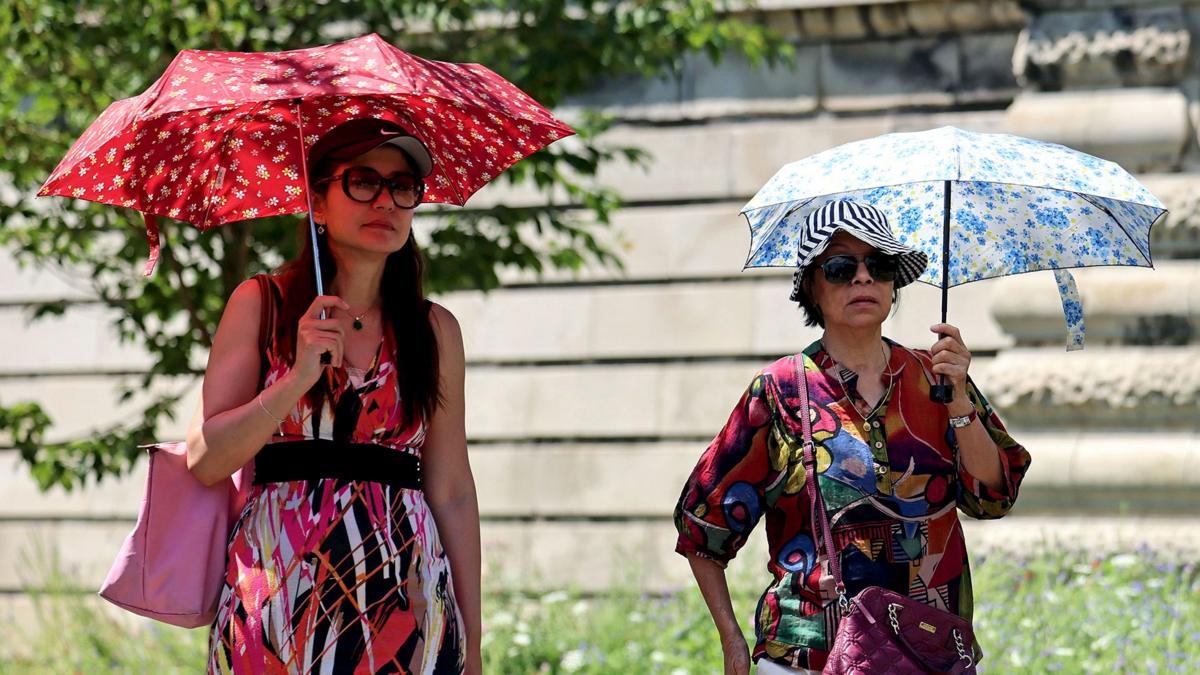
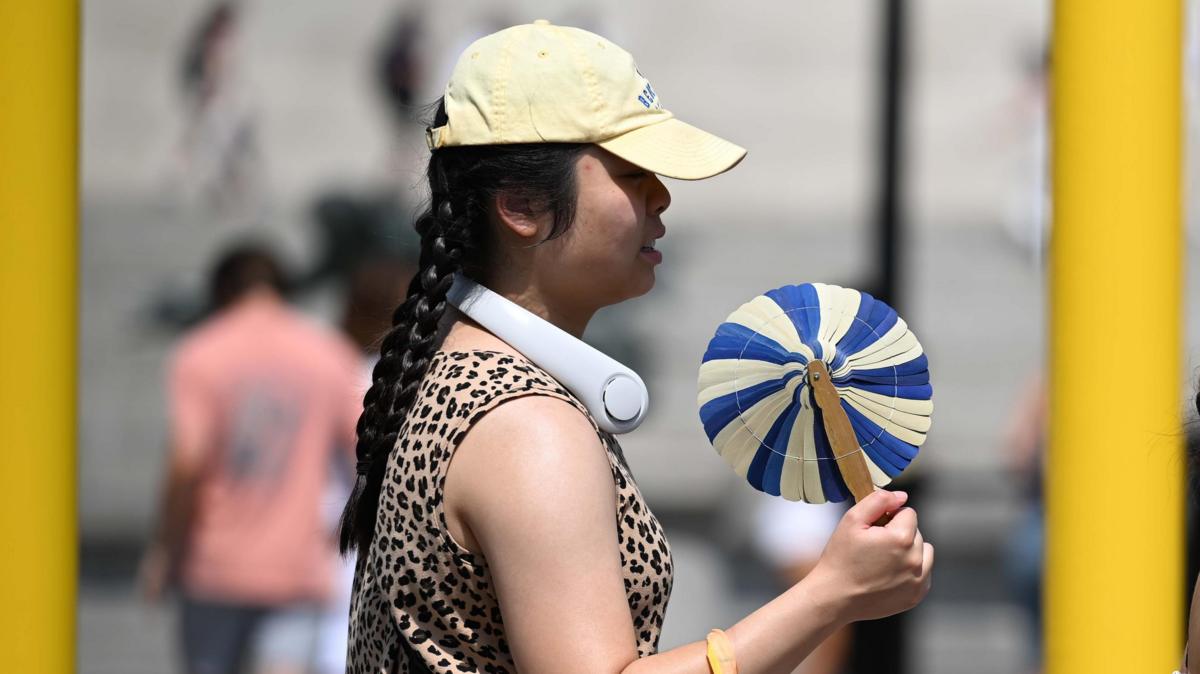
- UK experienced a provisional high of 38.1°C in Kew Gardens on Thursday, the hottest day of the year so far and the second time the nation has hit 38°C in 2026.
- Met Office issued a rare amber weather warning for extreme heat across Eastern England, London, the south-east, the Midlands, north-west England, south-west England, and parts of Yorkshire and Humber.
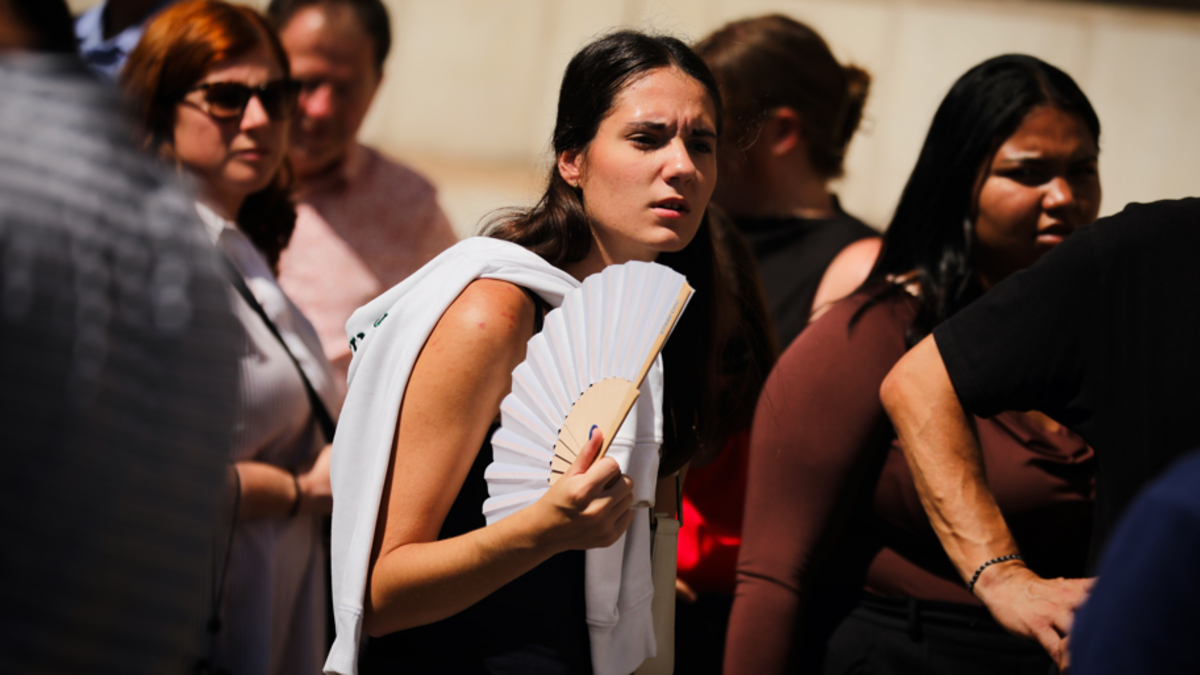
- UK Health Security Agency activated amber heat health alerts across England, warning of significant strain on health and social care services and a rise in deaths among those aged 65+ or with pre-existing conditions.
- Kew Gardens recorded the highest temperature so far this year, provisionally setting the mark at 38.1°C (100°F), surpassing previous daily highs.
- Lingwood, Norfolk previously set a 38°C reading on 26 June, establishing a new UK record for the month and contributing to three 37°C+ days in 2026 — a record for such occurrences in a single year.
Why it matters: With three days already exceeding 37°C in 2026 — more than any prior year — and health systems under strain, the frequency of extreme heat is no longer exceptional but emerging as a recurring summer condition, increasing pressure on public health infrastructure and raising risks for vulnerable populations during prolonged high nighttime temperatures.
Ask SkimNews