Trump Licenses Patriots to Ukraine; Experts Warn of Risks — SkimNews
SkimNews Take
Manufacturing licenses build production capacity over years, not interceptors over months, so the announcement signals a long-horizon industrial partnership rather than a response to the current air-defense crisis.
Get the Geopolitics newsletter
Daily geopolitics — wars, elections, sanctions, the diplomatic moves that move markets. Free.
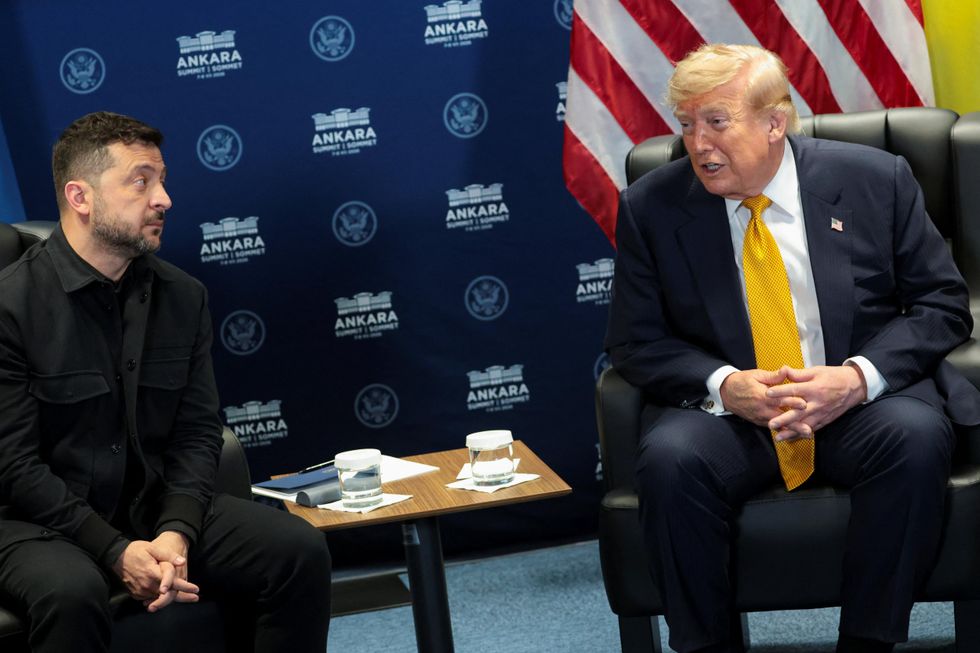
- Trump announced at the NATO Summit that the U.S. will give Ukraine licenses to build Patriot missile systems, telling President Zelensky: "We're going to give a license to you to make Patriots. That's pretty cool."
- George Beebe, director of the Quincy Institute's Grand Strategy program, warned the move will do little to fix Ukraine's urgent air-defense problems because a production facility would take many months to build, Russia would attack it once construction began, and Ukraine would have to divert existing Patriot batteries to protect it.
- Jen Kavanagh, writing for Responsible Statecraft in June, argued the license would not measurably reduce Ukraine's air-defense deficit and would create substantial U.S. national security risks by making it easier for competitors to access sensitive information about American military systems.
- Trump also told Zelensky the U.S. has "great power over the companies that make the Patriot" and could pressure Lockheed Martin to produce more interceptors, which are currently in short supply.
- CSIS reports the U.S. has expended nearly half of its Patriot interceptors, with full replenishment of stockpiles not expected until 2029.
- Currently only Japan and Germany hold licenses to build the Patriot system, having met complex legal requirements including domestically sourced inputs, stringent information-security standards, and end-use agreements restricting the export of finished missiles.
Why it matters: Ukraine's air-defense gap remains unaddressed in the near term because any new Patriot production facility would take many months to build while Russia could target it, potentially forcing Kyiv to redeploy existing — already strained — Patriot batteries for site protection. The Pentagon's own stockpiles won't be fully replenished until 2029, per CSIS, meaning more interceptors for Ukraine likely come at the expense of U.S. readiness.
Ask SkimNews


