Germany’s EV share hits record 37% as BEVs beat gas and diesel combined — SkimNews
Get the Energy newsletter
Daily energy & climate — solar, EVs, oil, the policy fights and tech bets shaping the transition. Free.
- BEV registrations climbed to a record 94,086 in Germany in October, taking 37% of the market, up 79.5% year over year; the share rose from 28.4% in June, and BEVs outnumbered gasoline and diesel combined for a second straight month.
- Germany’s new-car market expanded just 1.7% to 254,492 registrations as gasoline registrations fell 40.5% and diesel registrations 21.6%; pure combustion cars held 24.5%, plug-in hybrids slipped 7.9% to 28,499, all plug-ins took about 48%, and average CO2 emissions fell 21.1% to 79.4 g/km.
- Germany’s new EV incentive, identified as the biggest driver, offers €3,000 for a new BEV and up to €6,000 for lower-income households with children, retroactive to January 1; private registrations rose 20.6% in October and now hold 40.7% of the market, while commercial registrations fell 8.2%.
- VDA forecast about 693,000 BEV registrations for all of 2026, but Germany recorded 698,230 in the first ten months, up 60.7% year over year, and reached 28.2% of the market with two months left.
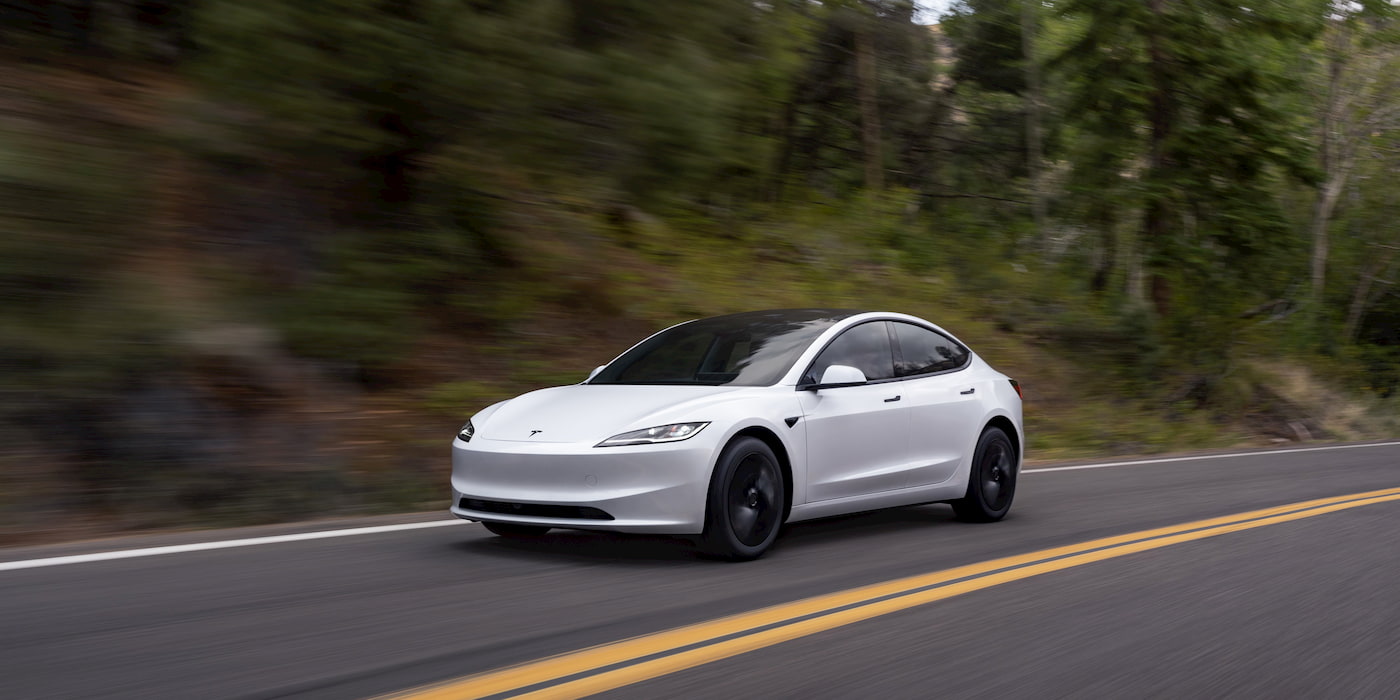
- BYD marginally passed Tesla in year-to-date German registrations, 47,961 to 47,742, though most of BYD’s German volume consists of plug-in hybrids rather than BEVs; Tesla registered 2,932 in October after 12,552 in September, reflecting its quarterly delivery cycle.
- Leapmotor registered 3,661 cars in October, up 288.6%, and 19,705 year to date; Xpeng rose 284.4% to 1,380, while SAIC’s MG rose 48.5% to 4,140.
- Volkswagen Group booked a €5.9 billion third-quarter operating loss—its biggest since Dieselgate—citing a writedown of its Porsche stake, weak sales in China and thin EV margins; even as the Skoda Elroq led Germany’s EV chart through September, the group approved a plan to cut 100,000 jobs and close several German plants.
Why it matters: Private buyers and Chinese brands are the immediate winners: Germany’s incentive reaches €6,000 for lower-income households with children, while BYD edged Tesla and Leapmotor and Xpeng grew 288.6% and 284.4%. The counterpoint is just as concrete—Volkswagen Group logged a €5.9 billion quarterly operating loss, so faster EV adoption has not translated into stronger results for Germany’s incumbent manufacturers.
Ask SkimNews