GCT deploys Canada's largest electric port truck fleet — SkimNews
Get the Energy newsletter
Daily energy & climate — solar, EVs, oil, the policy fights and tech bets shaping the transition. Free.
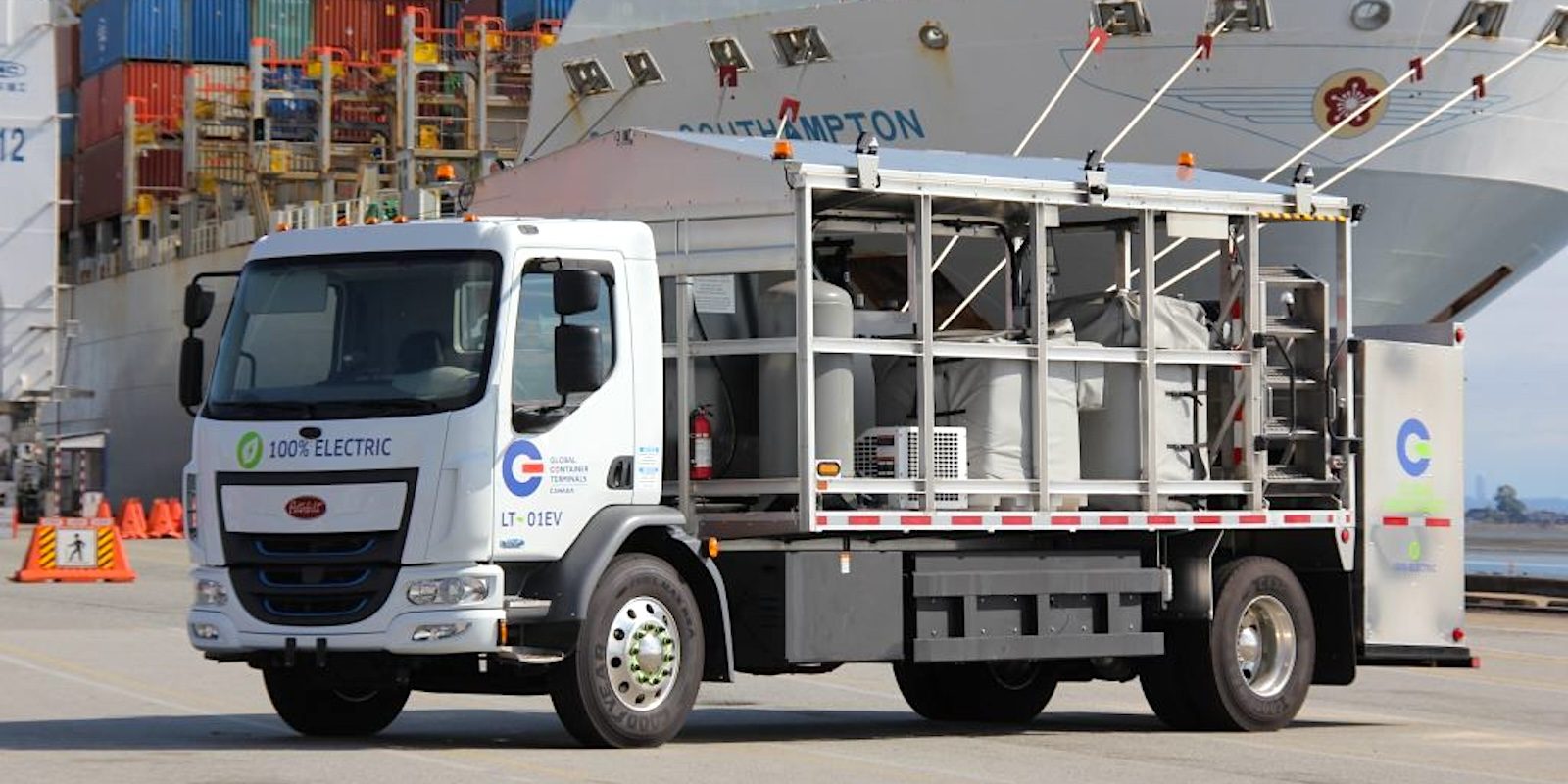
- GCT Global Container Terminals won the BC Hydro Luminaries Project of the Year for rolling out two Peterbilt electric work trucks — a 220EV that services rubber-tired gantry cranes and a 520EV that refuels older diesel equipment — at its Port of Vancouver terminals, billed by Peterbilt as the largest fleet rollout of any terminal in Canada.
- The Peterbilt 220EV is offered with up to 282 kWh of battery capacity and ~345 hp of continuous power, while the heavier-duty 520EV carries 400 kWh and ~535 hp, eliminating tailpipe emissions from terminal maintenance and refueling work.
- GCT has committed to cutting absolute emissions by 45% by 2030 and reaching true net zero by 2050 across both its Vanterm and Deltaport terminals, with the electric equipment rollout positioned as a piece of that decarbonization plan.
- Peterbilt national sales manager Martin Blanchet said on LinkedIn that high idle ratios and significant ePTO requirements at ports make them an 'ideal fit' for Peterbilt's electric vocational trucks.
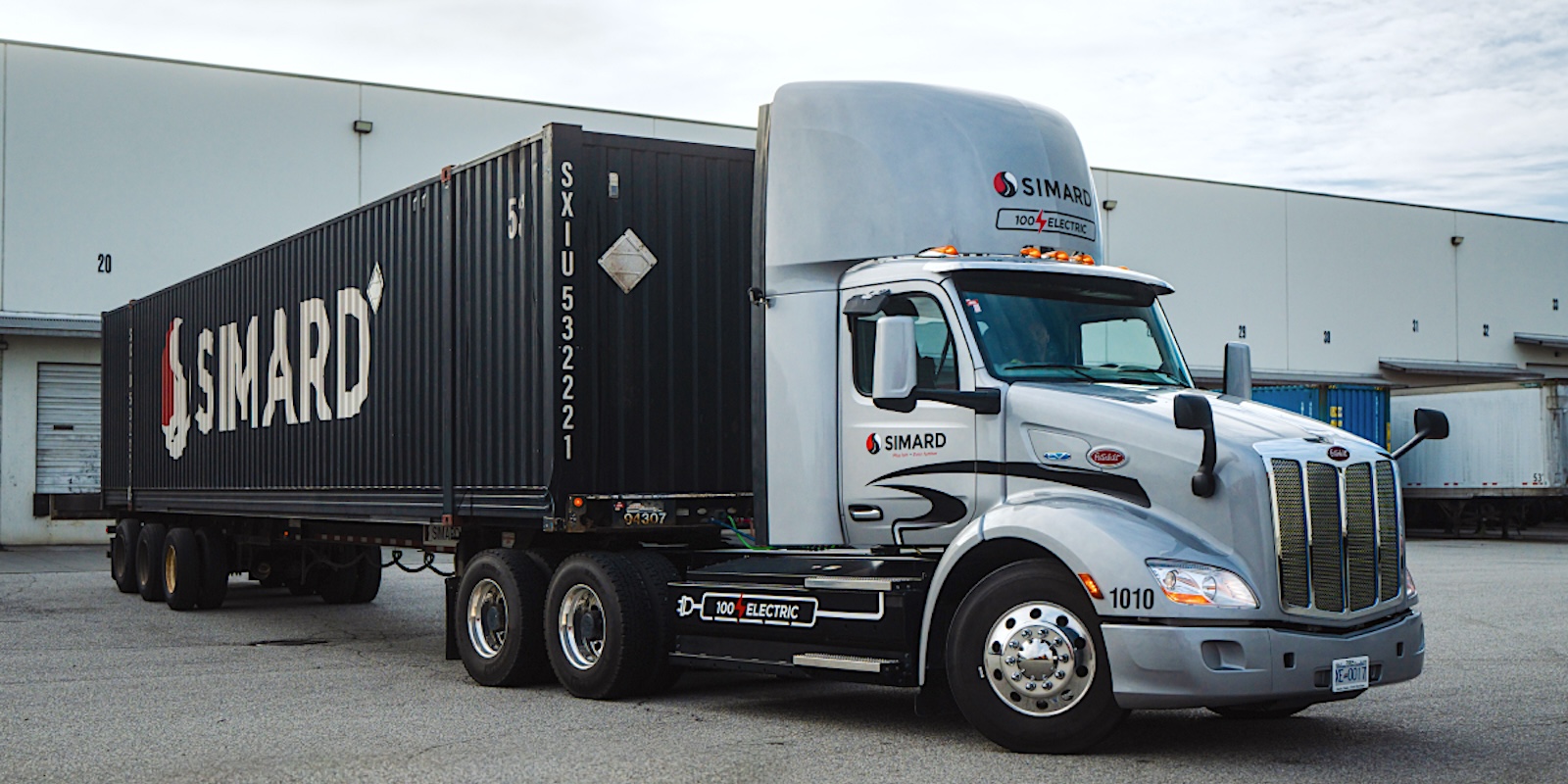
- The two work trucks join a fleet of Peterbilt 579EV Class 8 electric semis already hauling containers at the Port of Vancouver under Canada's ELECTRA pilot, which offers subsidized 60-month leases to five port shipping companies and is gathering real-world data on first-mile electric drayage.
Why it matters: GCT's Port of Vancouver terminals handle a high volume of container traffic, so swapping diesel and propane-powered service vehicles for Peterbilt electrics cuts local air pollution where idling equipment typically runs for long stretches. The deployment rides on top of Canada's subsidized ELECTRA drayage pilot and BC Hydro's grid, making the emissions cut an operational deployment rather than a pledge alone.
Ask SkimNews