Japan Launches MMX Mission to Phobos — SkimNews

Get the Health newsletter
Daily health & science — research, biotech, public health, the studies worth knowing. Free.
- MMX spacecraft launches 20 October from Japan's Tanegashima Space Center, with arrival at Mars expected in August 2027 to begin mapping Phobos's surface alongside observations of Deimos.
- JAXA will use the completed surface map to select a landing site, where MMX will briefly touch down one or two times to deploy the IDEFIX rover and collect samples before heading home in 2031.
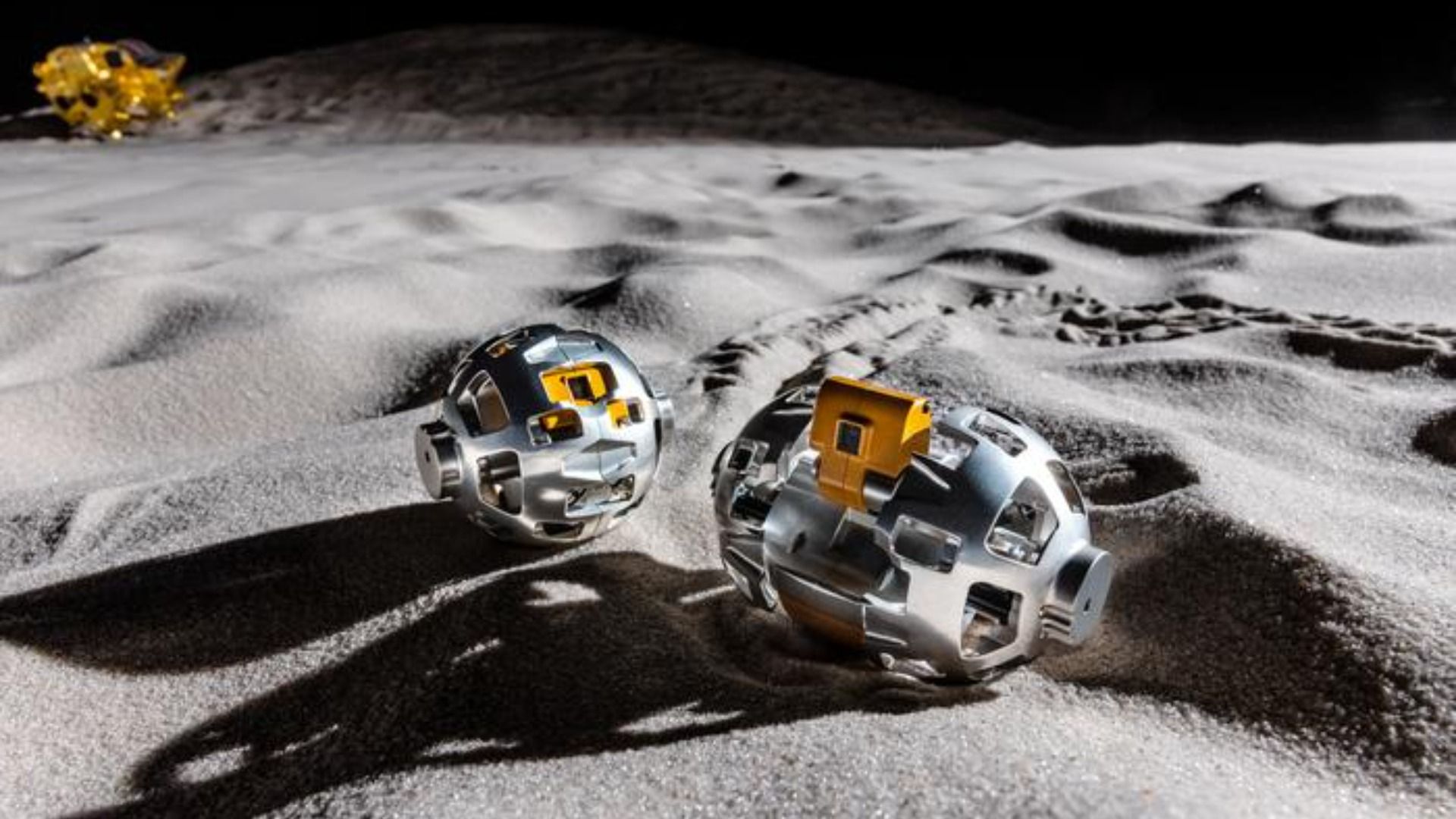
- IDEFIX is the first wheeled rover ever placed on a cosmic body as small as Phobos, partly to confirm low-gravity rover operations work at all.
- MMX carries two sampling devices: a gas-puff mechanism that blows dust and pebbles into a container, and a hollow cylinder that drives several centimeters into the regolith.
- The samples should finally resolve whether Phobos and Deimos are captured asteroids or fragments from a giant impact on Mars — a debate running more than a century, complicated by their asteroid-like shapes but equatorial orbits consistent with impact formation.
- NASA scientist Tom Statler, part of the collaborating team, said the answer will illuminate the early solar system era when inner planets may have been acquiring water and organic compounds.
- Phobos regolith may also contain ancient Mars material launched into space by impacts and preserved for billions of years, potentially offering a second window into Martian history without a Mars landing.
Why it matters: If MMX returns its samples successfully, it will deliver the first-ever material from a Martian moon — and potentially the first ancient Mars ejecta preserved off-world — ending a century-old origins debate while giving planetary scientists a second data point on Martian geology without the cost and risk of a Mars surface mission.
Ask SkimNews