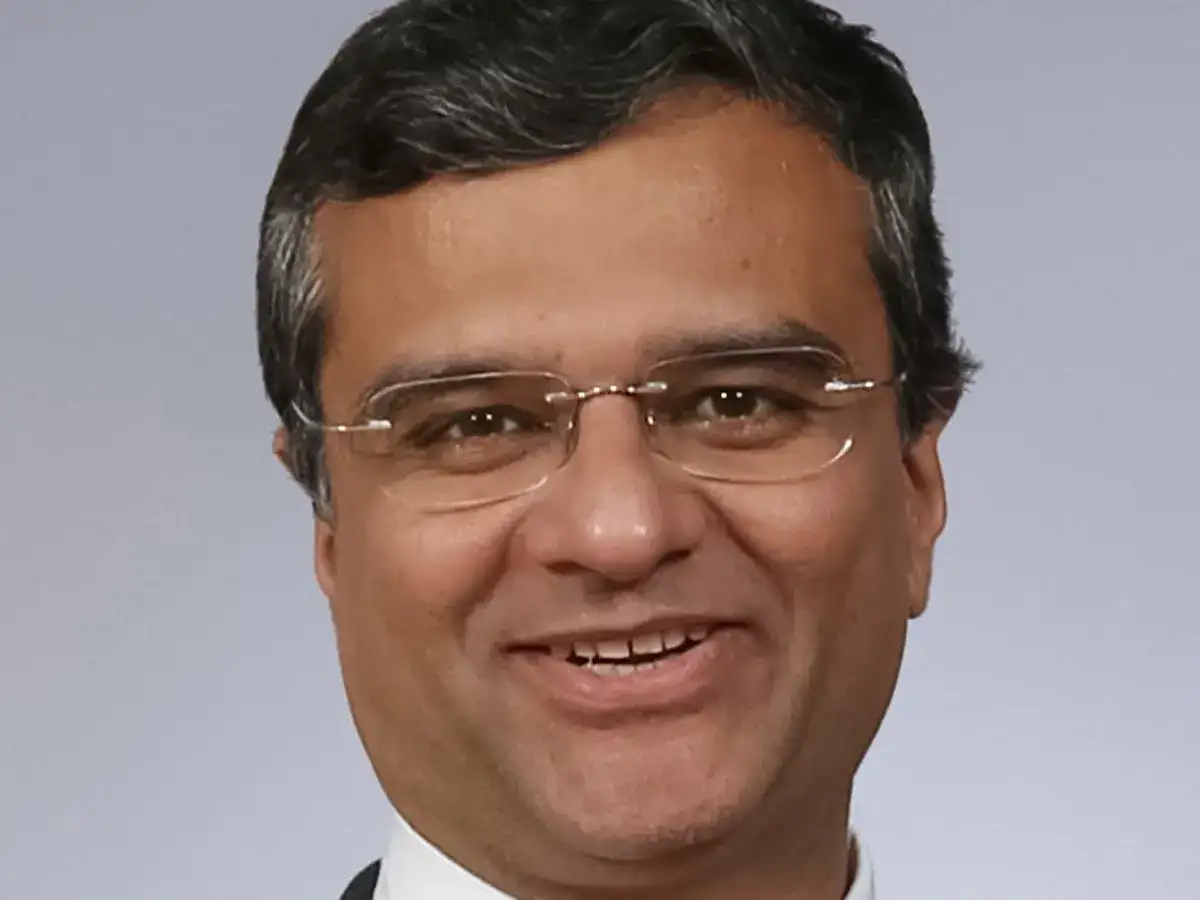
Dipan Mehta: Stay Invested, Prefer PSU Banks, Watch Oil — SkimNews
Get the Finance newsletter
Daily finance — markets, central banks, M&A, the prints that move money. Free.
- Dipan Mehta advised long-term investors to stay put rather than liquidate 30–40% of holdings into cash, recommending minor reshuffles toward growth stocks and currently underweight sectors.
- Crude oil prices are the single most important data point to watch, with Mehta warning that markets will remain volatile and range-bound until crude stabilises and its inflationary impact is contained.
- PSU banks are Mehta's preference over private sector banks, as multi-quarter-low CASA ratios across the industry will compress net interest margins and hurt private lenders more.
- Bajaj Finance, Cholamandalam Finance, L&T Finance, and Poonawalla Fincorp were named as stronger bets within financials — Mehta favours diversified NBFCs over single-product lenders like microfinance or pure gold loan companies, which have shown sharp value erosion in adverse cycles.
- Ola Electric and Ather were singled out as potential beneficiaries in the EV two-wheeler space, where Mehta sees upside from policy support aimed at accelerating electric vehicle adoption.
- Currency-driven export opportunity and domestic energy security were highlighted as two emerging themes Mehta believes could produce multibagger returns over a 3–5 year horizon — with the rupee at ~94 and a potential US FTA amplifying export winners, and a government push for energy self-reliance echoing the defence and semiconductor manufacturing build-outs.
- Below-normal monsoon risk led Mehta to recommend underweight positions on fertilisers, pesticides, two-wheelers, microfinance, and select commercial vehicle makers, with rural-exposed FMCG companies facing 3–4 quarters of earnings pressure if rains disappoint.
Why it matters: Mehta's 'stay invested' message masks sharp sectoral warnings: private banks face NIM compression as CASA ratios hit multi-quarter lows, single-product lenders have shown sharp value erosion in adverse cycles, and rural-exposed names face 3–4 quarters of earnings pressure if the monsoon disappoints. Investors who treat this as one-size-fits-all advice could miss the specific downside risks he flags.
Ask SkimNews