Verstappen Wins Rain-Hit GP as Red Bull Debuts Own Engine — SkimNews

Get the Sports newsletter
Daily sports — scores, transfers, the storylines from the leagues you actually follow. Free.
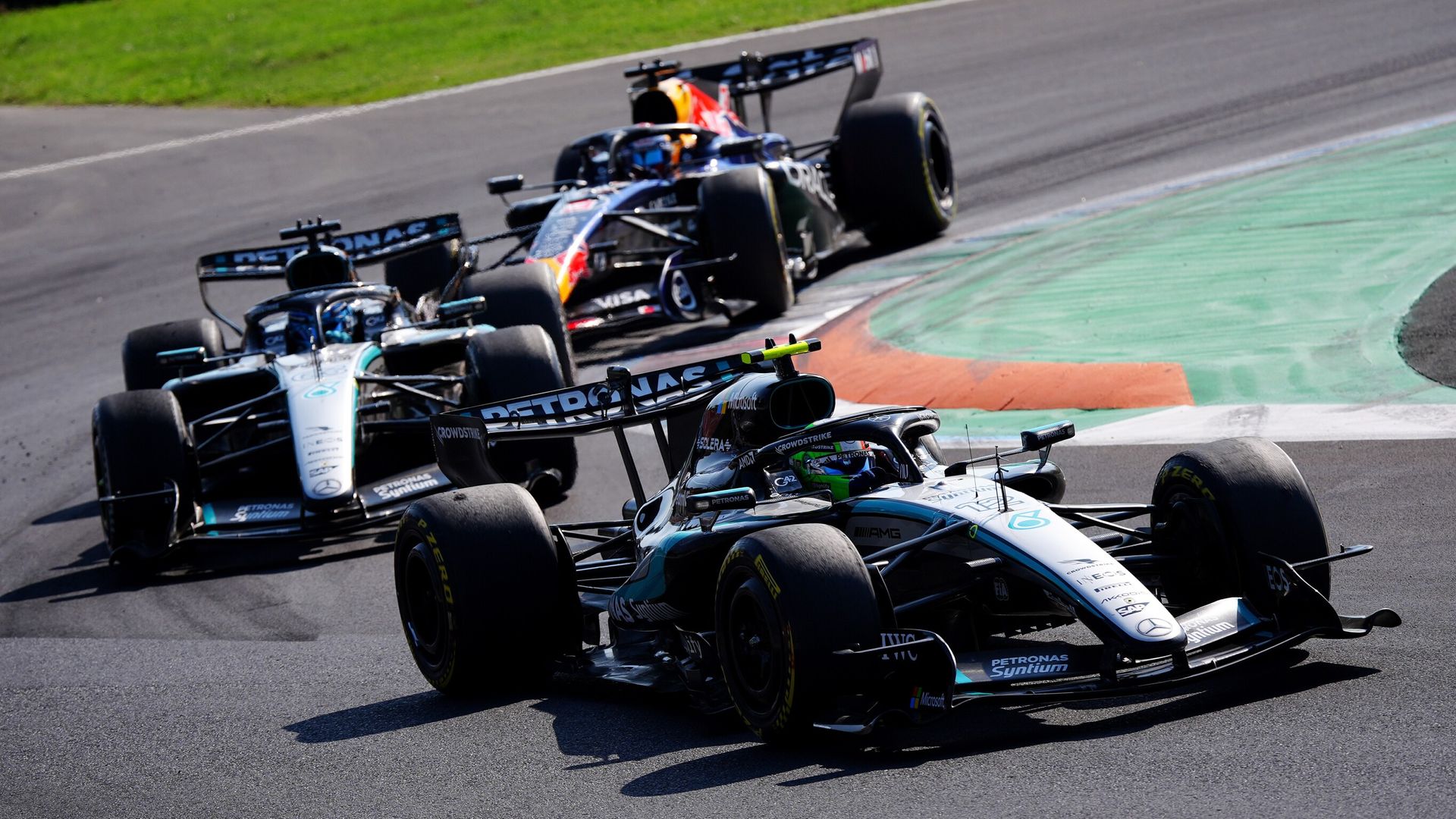
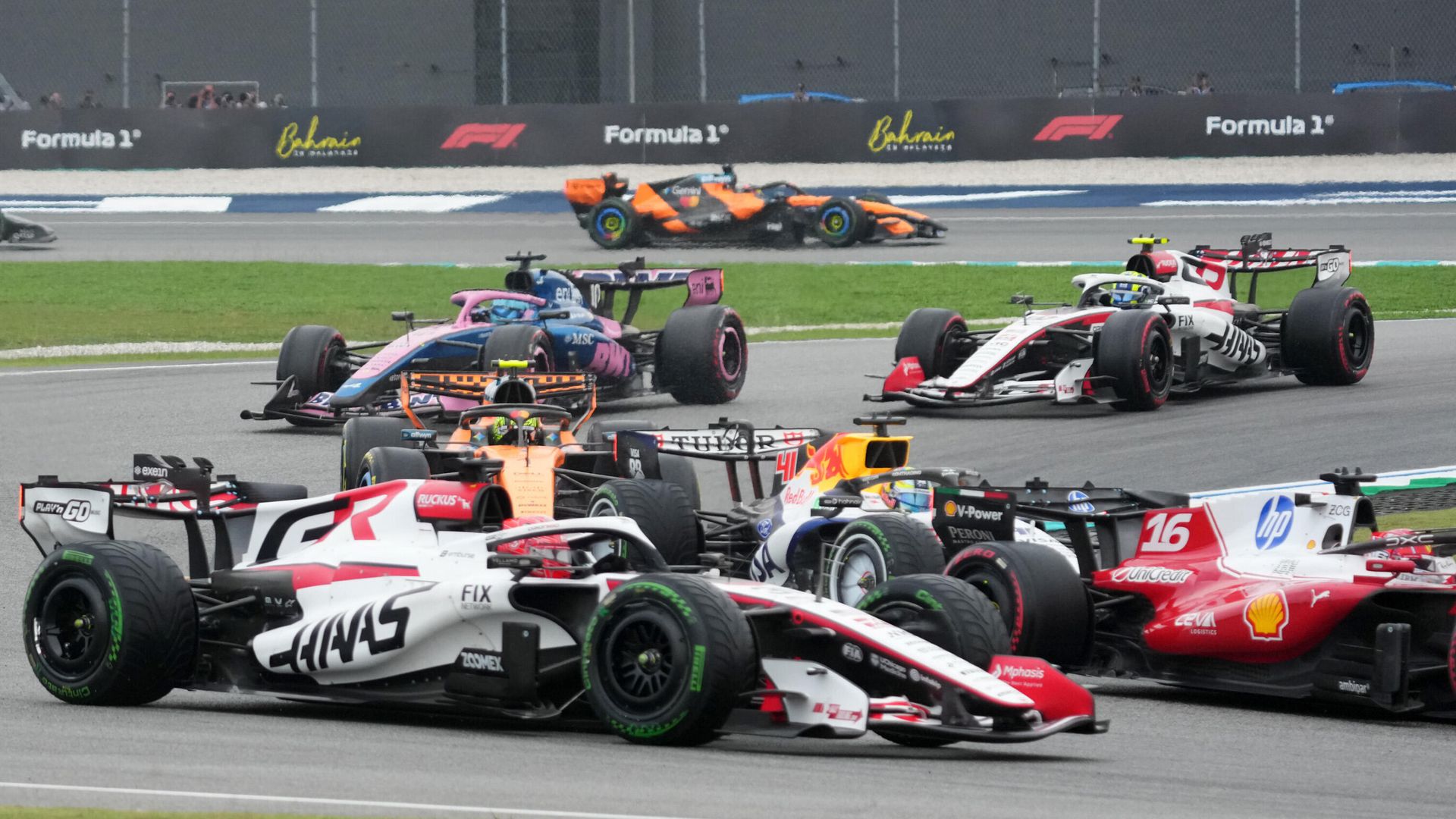
- Max Verstappen won the rain-affected Bahrain Grand Prix in Malaysia, securing Red Bull's first win of the season after a delayed start due to a bug in the FIA's wet-weather engine settings
- Red Bull Powertrains ran its first race as a full power-unit manufacturer, with Ford contributing key engine components and engineering support under a strategic partnership that began early in the 2026 engine development
- FIA president Mohammed Ben Sulayem has advocated for a return to naturally aspirated V8 engines, citing their iconic sound and lighter car weight, despite conflicts with F1’s net-zero carbon goals by 2030
- Lewis Hamilton finished third after an incorrect tyre choice at the start, later claiming he could have won had Ferrari started him on intermediate tyres, though direct pace comparisons with Verstappen were not possible
- Malaysia drew a record crowd of 261,000 for the one-off race return, but its absence from the permanent calendar remains due to the government's unwillingness to pay hosting fees despite strong fan and driver approval
- Naturally aspirated engines are unlikely to return fully, with F1 instead leaning toward a 2030 or 2031 engine formula featuring V8 turbos and 15–25% electrical power primarily for a push-to-pass system
Why it matters: Red Bull now controls its powertrain destiny with Ford’s industrial and engineering backing, shifting leverage in team-manufacturer dynamics. Meanwhile, F1’s engine path balances nostalgic appeal against environmental optics and road-relevance demands from automakers, making a full return to 'pure' racing unfeasible despite driver sentiment.
Ask SkimNews