Europe Misread the Midterms: It Was the Iran War — SkimNews
Get the Geopolitics newsletter
Daily geopolitics — wars, elections, sanctions, the diplomatic moves that move markets. Free.
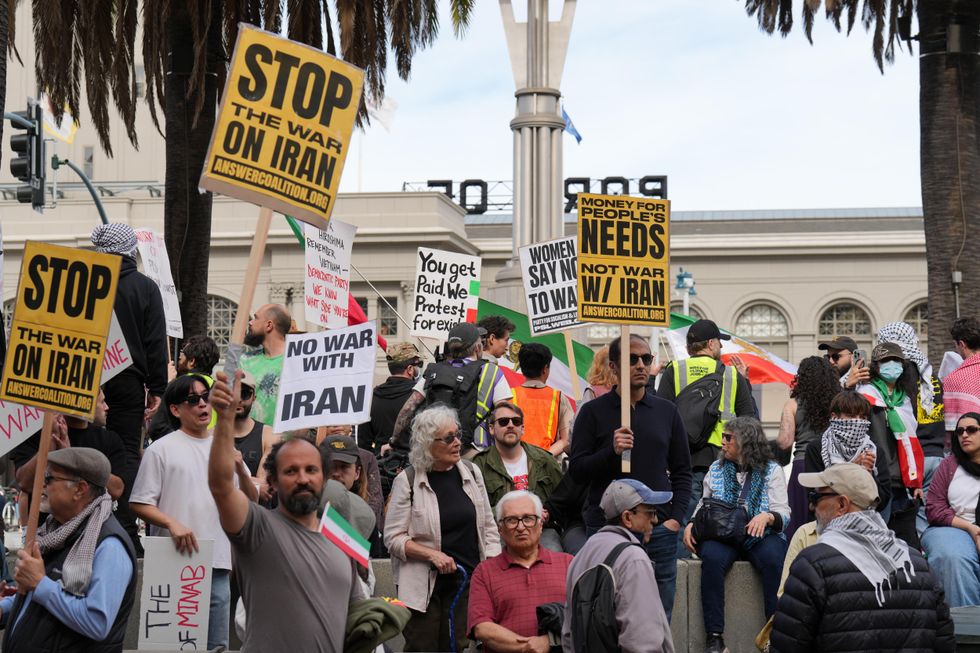
- Iran and gas prices topped U.S. voters' concerns: AP-NORC, New York Times/Siena, Fox News and Gallup polls consistently showed roughly 75% to 80% citing cost of living and the war as important to their vote plans, 74% of exit-poll respondents called the war a crucial or major factor, and Vice President JD Vance rated it the top reason for the Republican wipeout.
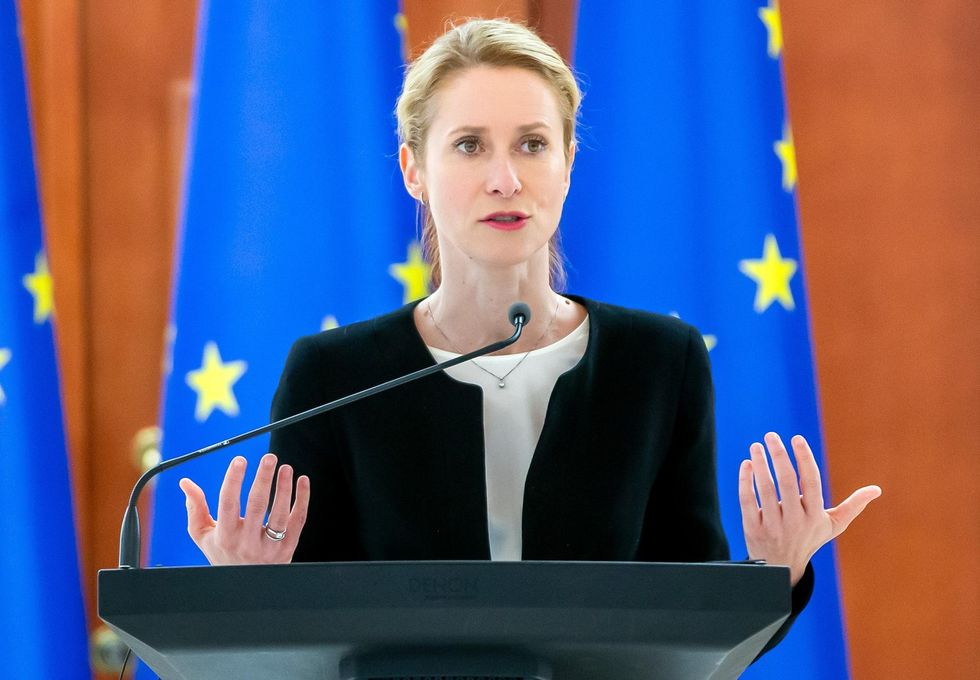
- Kaja Kallas read the result as hope for a stronger transatlantic alliance and more support for Ukraine, while Christel Schaldemose voiced "cautious optimism" that it would benefit Ukraine and the green transition — readings no cited poll supports.
- Jordan Bardella of France's National Rally and Alice Weidel of Germany's Alternative for Germany, both parties leading polls in their countries, blamed Trump's defeat on the economic consequences of his war in Iran, though they had opposed that war from the start.
- Friedrich Merz, who praised Israel's June 2025 attack on Iran as doing the West's "dirty work" and defended the larger American-Israeli bombing campaign launched in February 2026 as "no time to lecture our allies on international law," now puts Europe's cost at more than €100 billion in higher energy prices; Ursula von der Leyen, who spoke of a "democratic transition" in Tehran, values the bill at €127 billion ($143 billion) in additional fossil fuels.
- Pedro Sánchez, whose Spain fully opposed the war from the outset and called the vote a rejection of inequality, hatred, sexism and climate denial, stood apart from Germany, which backed it, France, which called it a violation of international law, and Italy, Portugal, Bulgaria and Cyprus, which allowed U.S. military bases to be used for attacks on Iran.
- Mark Rutte said 5,000 sorties of U.S. aircraft were launched from Europe, while Iran warned it would retaliate against any country that facilitated attacks if the U.S. and Israel struck again.
- Alexander Stubb of Finland and Jonas Gahr Støre of Norway spoke directly with Vladimir Putin on October 27 about Ukraine and prospects for renewed negotiations — no immediate breakthrough, but a demonstration that deterrence and diplomacy are not mutually exclusive.
Why it matters: With Europe's Iran-war bill pegged at more than €100 billion in energy costs by Merz and €127 billion ($143 billion) in additional fossil fuels by von der Leyen, and 74% of U.S. voters citing the war, the governments that backed or hosted it now face opposition blame at home — and Tehran has named base-hosting countries as retaliation targets.
Ask SkimNews