Why Coca-Cola and Walmart Can Survive Tariffs and a Recession — SkimNews

Get the Finance newsletter
Daily finance — markets, central banks, M&A, the prints that move money. Free.
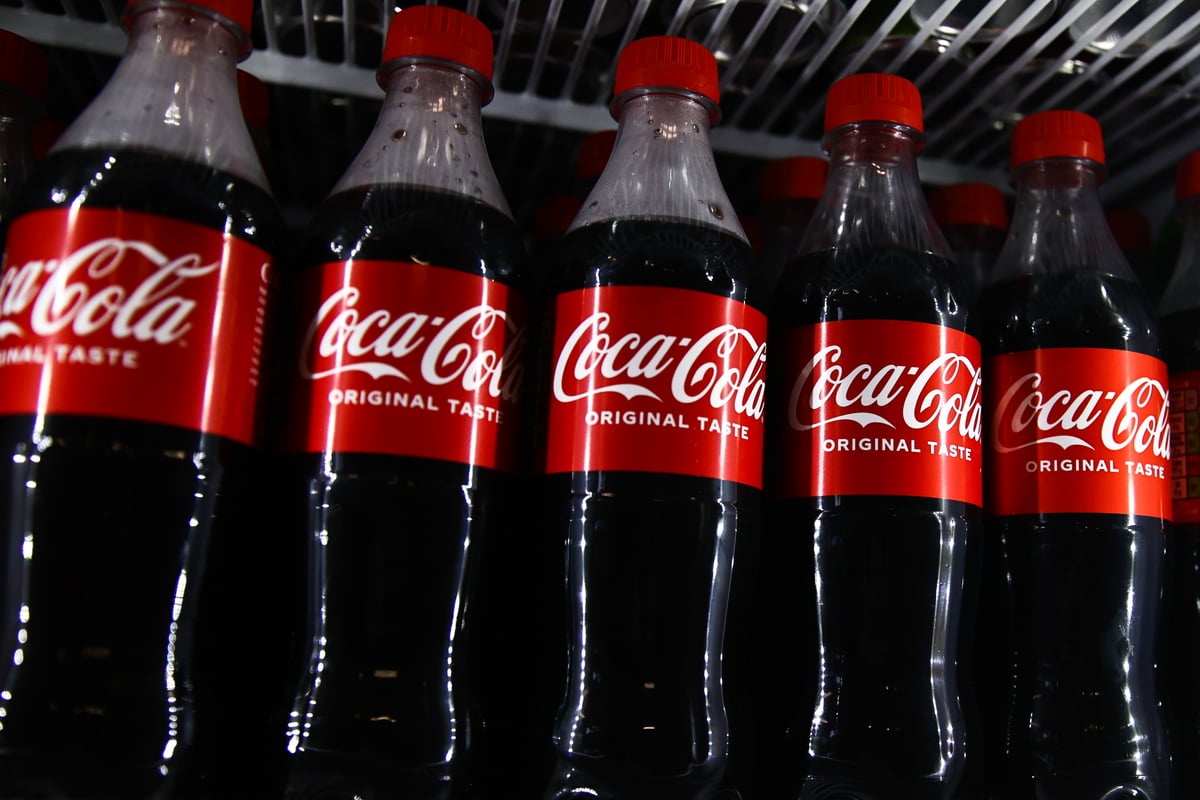
- Coca-Cola makes most of the products it sells to U.S. customers domestically, and the same is true in other regions, limiting the direct hit from import duties on its financial results.
- Coca-Cola is classified as a consumer staples company — a defensive sector expected to keep attracting business even when consumers tighten spending — and has earned Dividend King status with at least 50 consecutive years of dividend increases.
- Coca-Cola's shares were changing hands for just under $77 at writing, which the author frames as a buying opportunity for a long-term holding with a deep beverage portfolio and strong brand moat.
- Walmart's massive scale and EDLP (Everyday Low Price) strategy let it negotiate favorable supplier deals, keeping it among the cheapest options for shoppers even when competitors are forced to raise prices.
- Walmart's retail footprint puts about 90% of U.S. residents within 10 miles of a store, supporting both in-store convenience and cheap or free fast shipping through its growing e-commerce business.
- Walmart is also a Dividend King — with 53 consecutive years of dividend increases — and was trading for about $127 a share, positioning it as a portfolio stabilizer in troubled markets.
Why it matters: For investors spooked by tariff escalation and recession talk, Coca-Cola and Walmart offer a specific combination the source highlights: domestic-heavy production (Coca-Cola) plus scale-driven pricing power (Walmart) that lets them absorb cost pressures that smaller rivals can't. Both are Dividend Kings with 50+ years of unbroken payout increases, and both trades are within reach of a small retail account — about $77 for Coca-Cola and $127 for Walmart as of writing.
Ask SkimNews