NATO Summit in Ankara Faces Trump Withdrawal Threats — SkimNews

Get the Geopolitics newsletter
Daily geopolitics — wars, elections, sanctions, the diplomatic moves that move markets. Free.
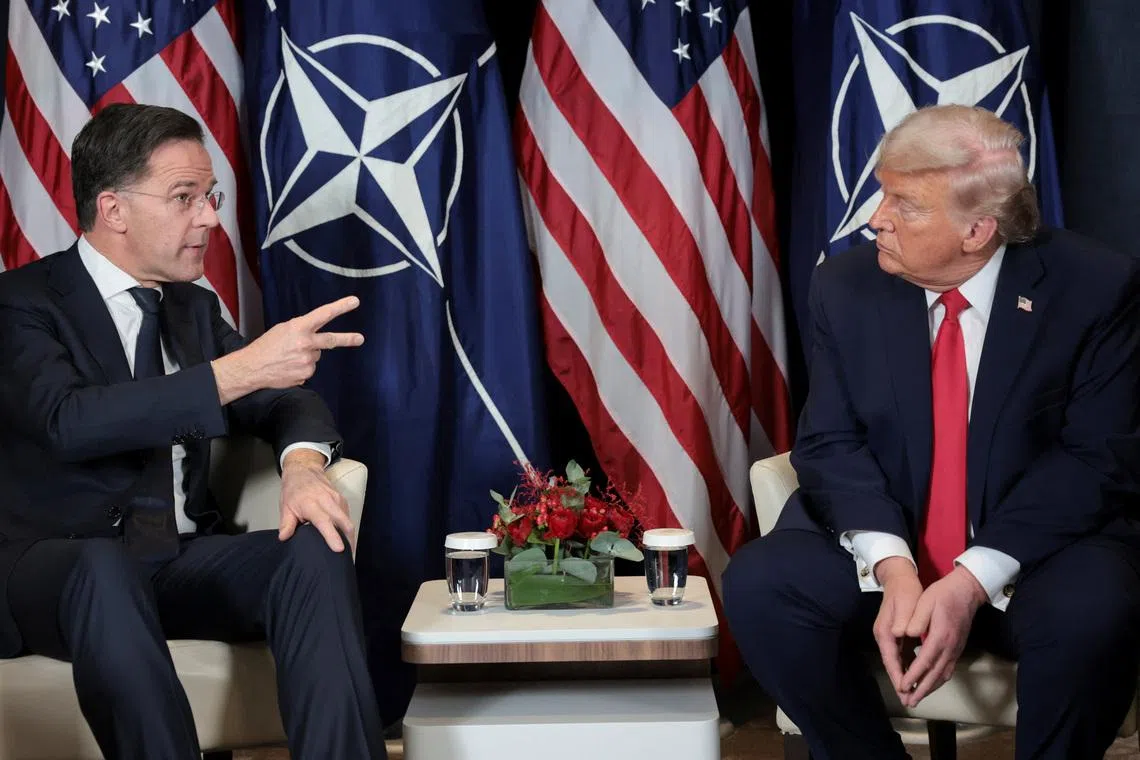
- NATO opens its two-day summit in Ankara on Tuesday with 32 leaders, as Trump's threats to withdraw the US from the alliance and reposition forces out of Europe dominate the agenda
- The Pentagon announced on May 1 it is withdrawing approximately 5,000 troops from Germany following a review of European force posture, a move linked by Al Jazeera to the Iran war dispute
- Trump criticized European allies for refusing to participate militarily in efforts to reopen the Strait of Hormuz, calling it "ridiculous" that Washington outspends NATO partners "without getting any benefit"
- European allies and Canada increased defence investment by $139 billion in nominal terms in 2025 alone, on top of a 62% rise in European defence spending between 2020 and 2025
- The IISS estimates replacing the most critical US conventional military capabilities in Europe would require roughly $1 trillion and could take a decade or more
- Legal and political barriers mean a formal US withdrawal would require a two-thirds Senate majority or an act of Congress, both unlikely given bipartisan support for NATO, per German Marshall Fund fellow Ian Lesser
- Carnegie senior fellow Sophia Besch says Europeans have abandoned hopes of restoring past trust and now seek "greater predictability" through an orderly US-to-Europe transition
Why it matters: The transition is already in motion: the Pentagon's May 1 withdrawal of 5,000 troops from Germany is concrete, not rhetorical. Yet the IISS estimates filling America's most critical military roles in Europe would cost roughly $1 trillion and take a decade, leaving allies exposed on long-range strike, intelligence, and missile defence precisely as Washington signals it wants less of the load.
Ask SkimNews