Iran's Proxies Move to 'Violent Gig Economy': Expert — SkimNews

Get the Geopolitics newsletter
Daily geopolitics — wars, elections, sanctions, the diplomatic moves that move markets. Free.
- Matthew Levitt, ex-FBI counterterrorism analyst and Washington Institute senior fellow, said Iran's proxies (Hezbollah, Hamas, HAYI, Houthis) are moving from traditional militant cells to a "violent gig economy" of flexible, deniable global operations.
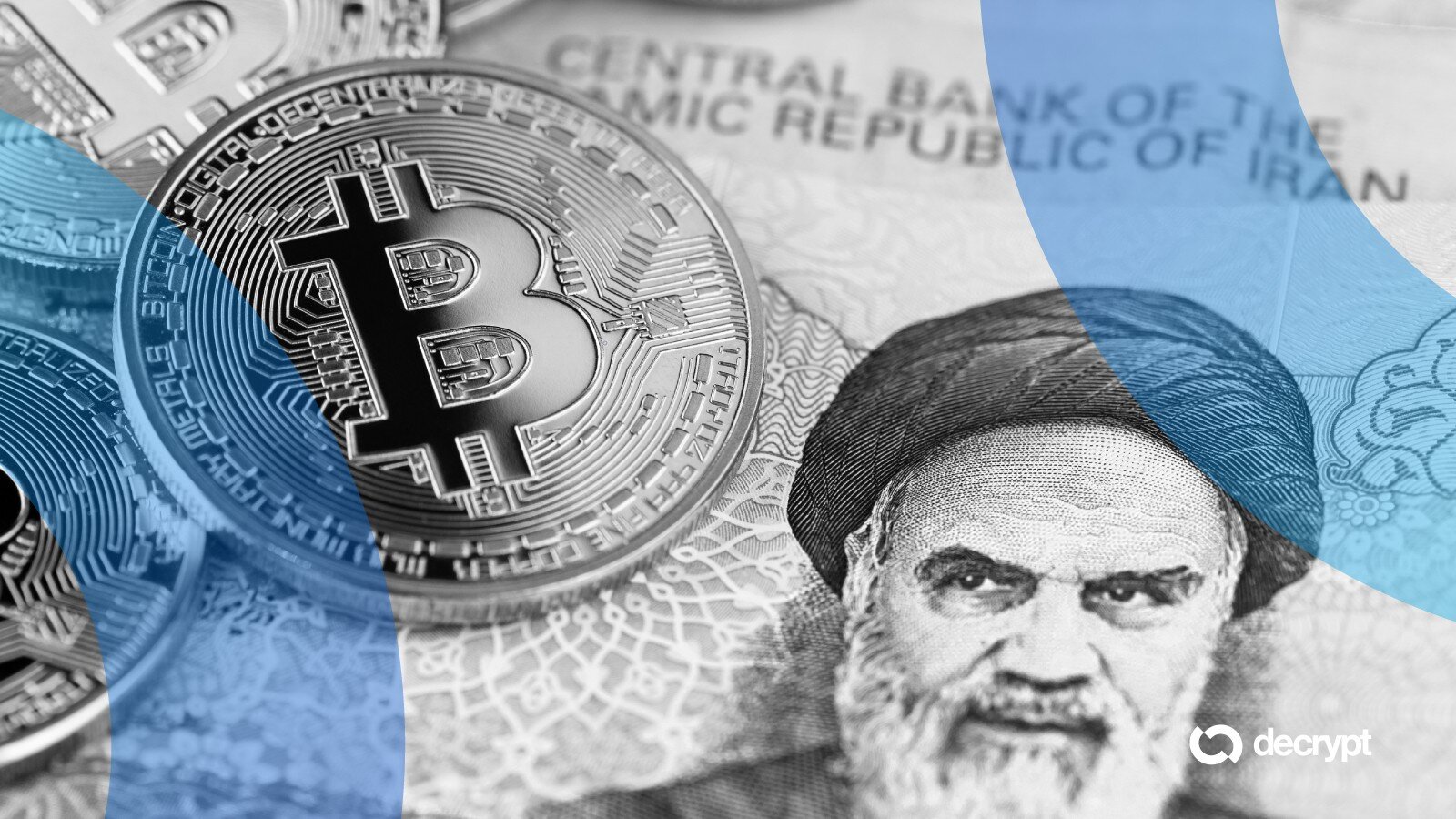
- Activities in this new model include shadow banking, trade-based money laundering, online recruitment of individuals with no Iran affiliation, and untraceable cryptocurrency deals, with proceeds often routed through Asian markets like China.
- Sweden's Foxtrot network, linked to Iran, recruited teens as young as 13-18 via encrypted apps (Telegram, Snapchat) to carry out paid attacks, including a Norwegian teen arrested in the UK on Mar 19 with two guns and 12 rounds of ammunition.
- In September 2025, five Swedish teens allegedly attempted to murder a dissident Iranian researcher in Sweden for money; the researcher later told local media he believed the attack was ordered by Iranian authorities.
- Hamas pre-positioned weapon caches in Bulgaria (early 2024) and Denmark (2019) — years before its Oct 7, 2023 attacks on Israel — which Levitt cited as evidence of long-term European capacity-building.
- Levitt said Singapore, as a major trade, finance, and transshipment hub, is potentially vulnerable to Iranian-linked shadow banking despite no current evidence of "violent gig economy" activity in Southeast Asia.
- Singapore's Financial Intelligence Unit has been actively reviewing suspicious transaction reports on front companies, financial facilitators, and crypto infrastructure used to evade oil-sale sanctions, Levitt noted.
Why it matters: Singapore's Financial Intelligence Unit is already monitoring sanctions-evasion channels — front companies, crypto, trade-based laundering — but the country's role as a major transshipment and finance hub makes it a high-value node for Iranian proxy financing networks. Levitt framed Singapore's compliance apparatus as a frontline asset for making it "more difficult for Iran to be able to finance its activities," tying Southeast Asian financial oversight directly to global counter-proxy enforcement.
Ask SkimNews