AI Repurposed Cancer Drug Shows Broad Antiviral Promise — SkimNews

Get the Health newsletter
Daily health & science — research, biotech, public health, the studies worth knowing. Free.
- Model Medicines flagged MDL-001 — originally developed as breast cancer therapy ERA-923 and abandoned in the early 2000s — as a broad-spectrum antiviral candidate, using an AI platform that mined old papers and patents for compounds matching a specific viral target.
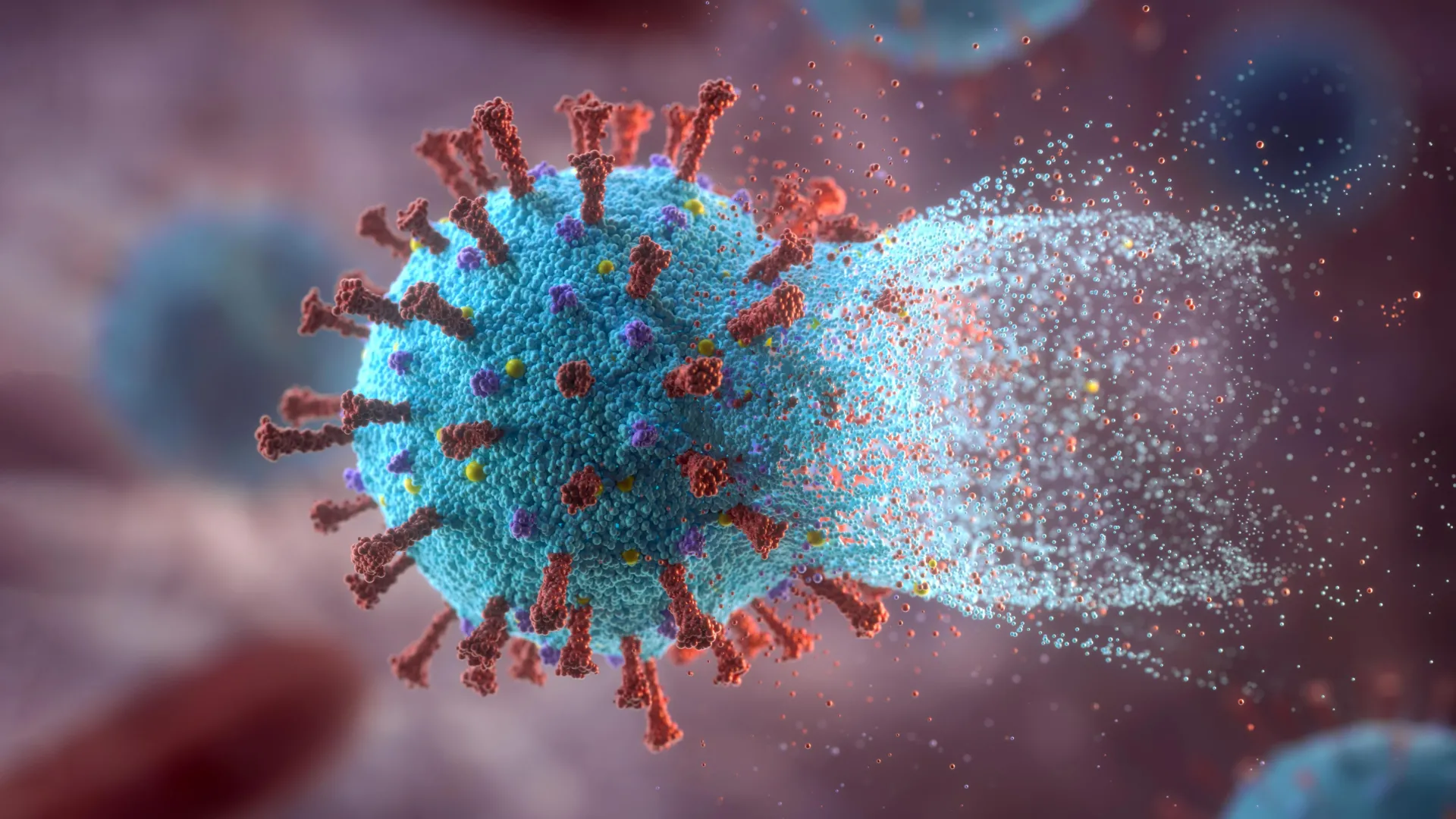
- The AI platform searched for drugs that bind the Thumb-1 domain of RNA-dependent RNA polymerase, an enzyme many viruses use to copy themselves, because that site is conserved across multiple viral families.
- MDL-001 inhibited influenza A and B, several coronaviruses (including covid-19), RSV, norovirus, and hepatitis B, C, and D in infected cell cultures, and reduced viral load and weight loss in mice infected with covid-19, hepatitis B, and hepatitis C.
- Co-founder Daniel Haders said this is the first drug shown to have activity across all those viral families, and the company plans a clinical trial beginning early next year, with safety as the first checkpoint — past breast cancer trials suggest minimal side effects.
- Peter White at the University of New South Wales pointed out that other drugs targeting the Thumb-1 domain have only worked against hepatitis C, while Daniel Rawle at QIMR Berghofer Medical Research Institute noted that most antivirals that succeed in vitro fail in vivo.
- Model Medicines will present the findings at the Congress of the European Society of Clinical Microbiology and Infectious Diseases in Munich in mid-April.
Why it matters: If MDL-001 clears the clinical trial starting early next year, a single home pill could replace the current guess-which-virus-it-is approach to treating flu-like illness, potentially limiting outbreaks and serving as a rapid first response in a future pandemic. The two independent skeptics flagged in the piece — on cross-family efficacy and the notorious in-vitro-to-in-vivo failure rate — make that early trial the real test, not the mouse data.
Ask SkimNews