Battling egos and stereotypes - the rise of female tennis coaches — SkimNews
Get the Sports newsletter
Daily sports — scores, transfers, the storylines from the leagues you actually follow. Free.
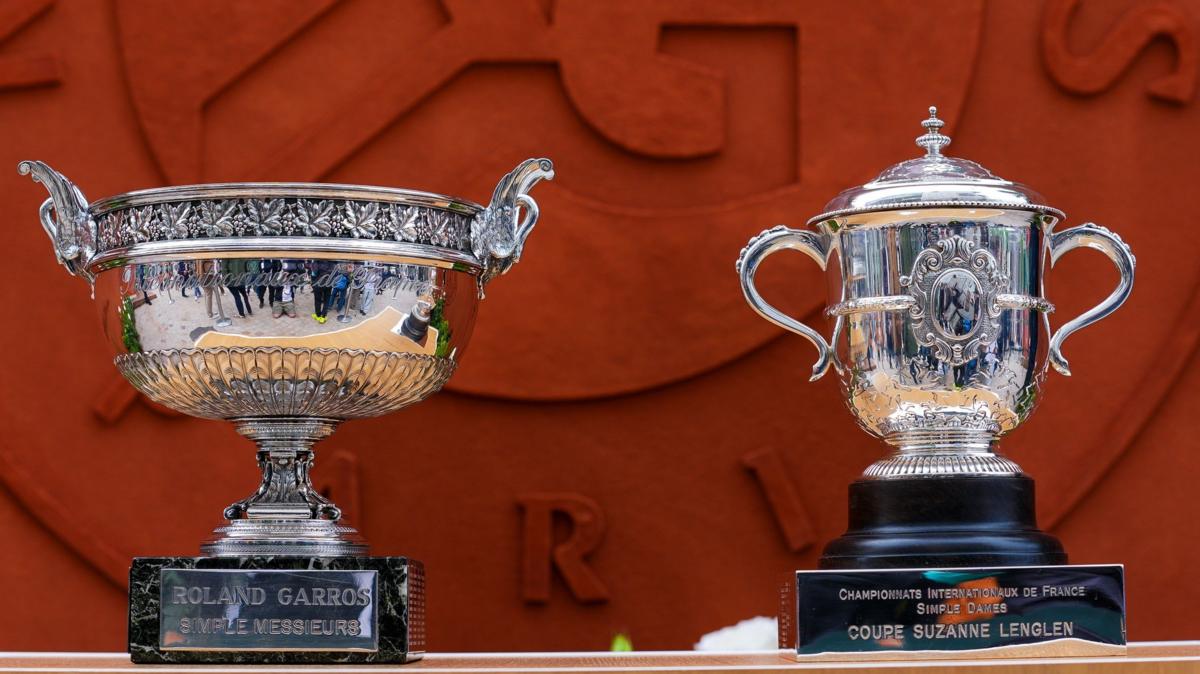
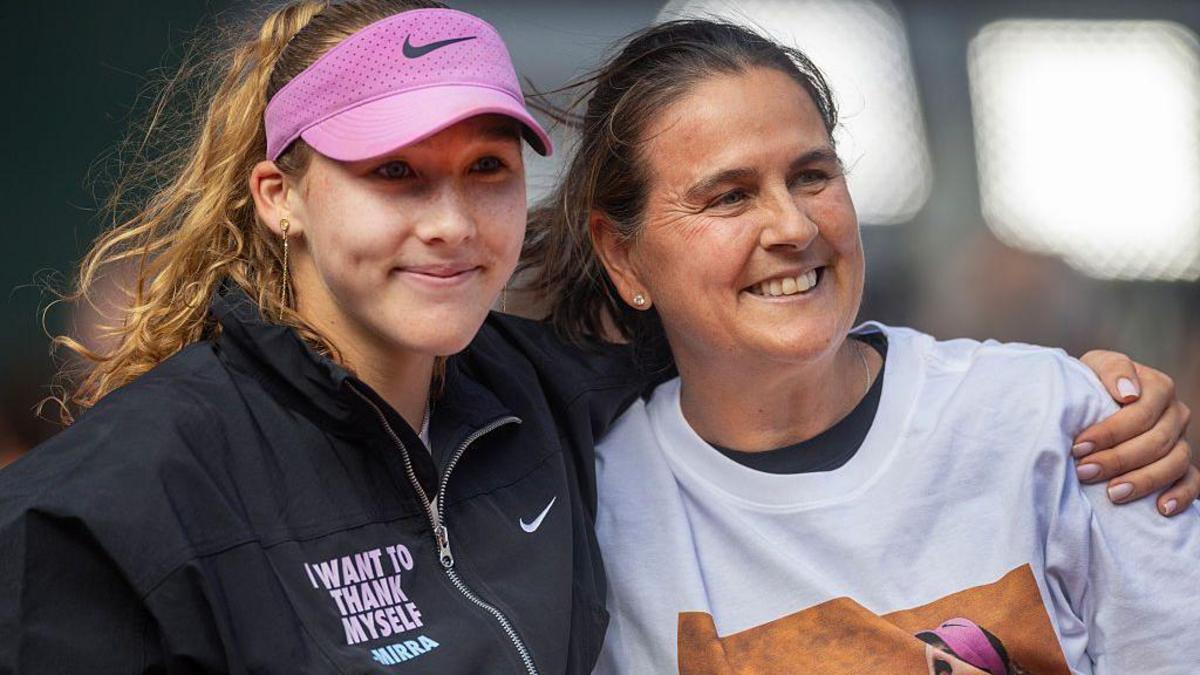
- Conchita Martinez coached 19-year-old Mirra Andreeva to her first Grand Slam title at the French Open, one of just four top-50 singles players with a woman as primary coach, alongside Marta Kostyuk, Anna Kalinskaya, and Caty McNally.
- WTA-registered female coaches rose from 6% in 2017 to 19% in 2026, with 34 of 187 coaches (18.2%) at this year's Indian Wells being women, up from just four accredited female coaches with top-200 players when the WTA's Coach Inclusion Programme launched in 2021.
- Andy Murray hired Amelie Mauresmo as coach in 2014 and faced a wave of sexist backlash, with the source noting those same perceptions persist today and that family commitments, relentless travel, and the male-dominated hitting-partner role all keep women out of top-level coaching.
- Sandra Zaniewska, coach of world number 13 and French Open semi-finalist Marta Kostyuk, said female coaches can be unfairly judged for expressing confidence differently — being more deliberative can 'portray a sense of insecurity' — and argued family priorities mean a 50-50 split is unlikely.
- British coach Fran Jones said she was 'pigeonholed' coaching under-14s without awareness of higher-level opportunities, echoing Billie Jean King's 'if you can't see it, you can't be it' framing of the visibility gap.
- Hitting partners are almost exclusively male, and players who can only afford one travelling staff member often pick a coach they believe can fill both roles — a structural barrier the source identifies as central to the male-skewed coaching box.
Why it matters: Tennis markets itself as a leader in gender equality, yet fewer than 1 in 12 top-50 players employs a woman as primary coach, and the coaches and ex-pros interviewed say the barrier is structural — male-dominated hitting-partner roles, travel demands that clash with family planning, and a self-reinforcing visibility gap. The WTA's Coach Inclusion Programme has tripled the share of registered women coaches in under a decade, but those gains have barely reached the very top, where sponsorships, pay, and influence concentrate.
Ask SkimNews