Europe's Air Defense Hesitation Risks Ukraine

Get the Geopolitics newsletter
Daily geopolitics — wars, elections, sanctions, the diplomatic moves that move markets. Free.
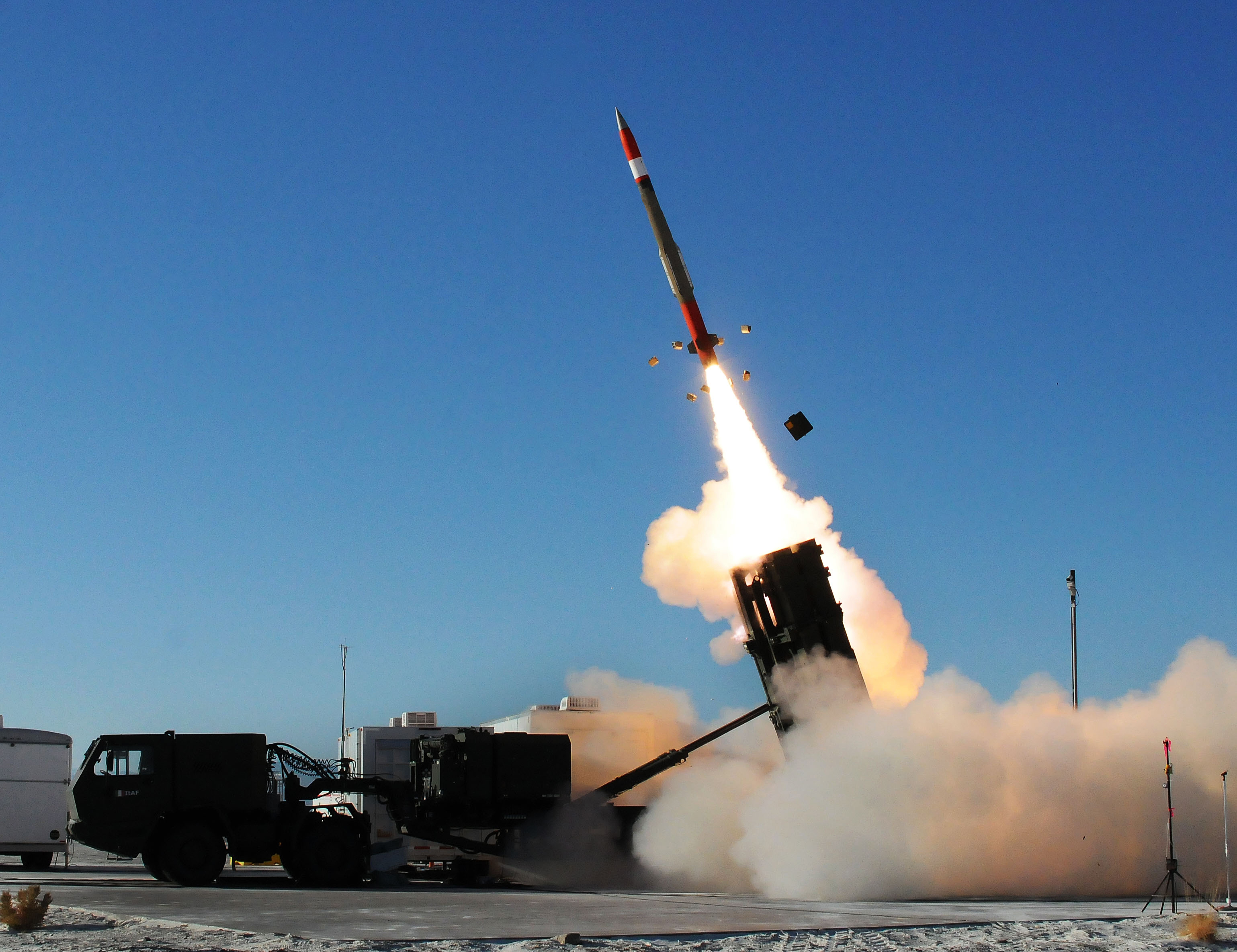
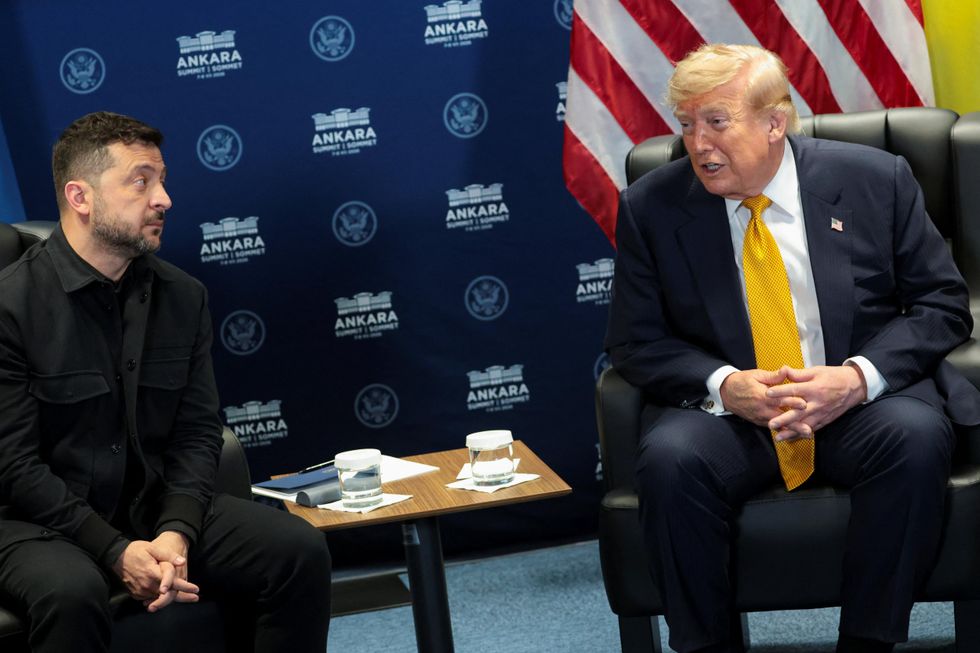
- Trump has withdrawn hints he might license Ukraine to build Patriot interceptors and declined Kyiv's request for 300 systems, while the administration appears unwilling to share sensitive interceptor technology including seekers, solid rocket motors, and guidance software.
- Interceptor production cannot keep pace: the US makes just 600 PAC-3 interceptors annually (with a goal to triple that), while Ukraine can burn through 150–180 in a single month of intensive Russian attacks.
- Ukraine is already pursuing a "shoot the archer" approach, using four FP-5 Flamingo missiles to strike the Titan-Barrikady plant in Volgograd (~400 km from the border) and the VNIIR-Progress plant in Cheboksary, both producing Russian missile components.
- US and Israeli operations against Iran demonstrated that offensive strikes on Iranian launchers and command sites suppressed Tehran's follow-on barrages more effectively than interceptor stockpiles — a model the author argues Ukraine's defenders should adopt.
- Germany continues to refuse transferring Taurus cruise missiles to Ukraine, and German civilian policymakers privately view strikes deep inside Russia as "very risky and escalatory" — even as NATO's multi-domain operations doctrine calls for exactly such deep strikes.
- Past experience suggests Moscow's red lines are elastic: fears of nuclear escalation repeatedly delayed HIMARS and ATACMS deliveries to Ukraine, but each limit was eventually overcome.
Why it matters: Ukraine burns through 150–180 PAC-3 interceptors per month while the US produces only 600 annually — a gap interceptor production alone cannot close, forcing NATO to confront whether political leaders will authorize the deep offensive strikes their own doctrine already envisions. With Germany refusing Taurus transfers and US technology-sharing off the table, the window for credible deep-strike deterrence is narrowing precisely as Russia's missile production capability grows.