Patriot Shortfall Exposes NATO's Deep-Strike Hesitation — SkimNews

Get the Geopolitics newsletter
Daily geopolitics — wars, elections, sanctions, the diplomatic moves that move markets. Free.
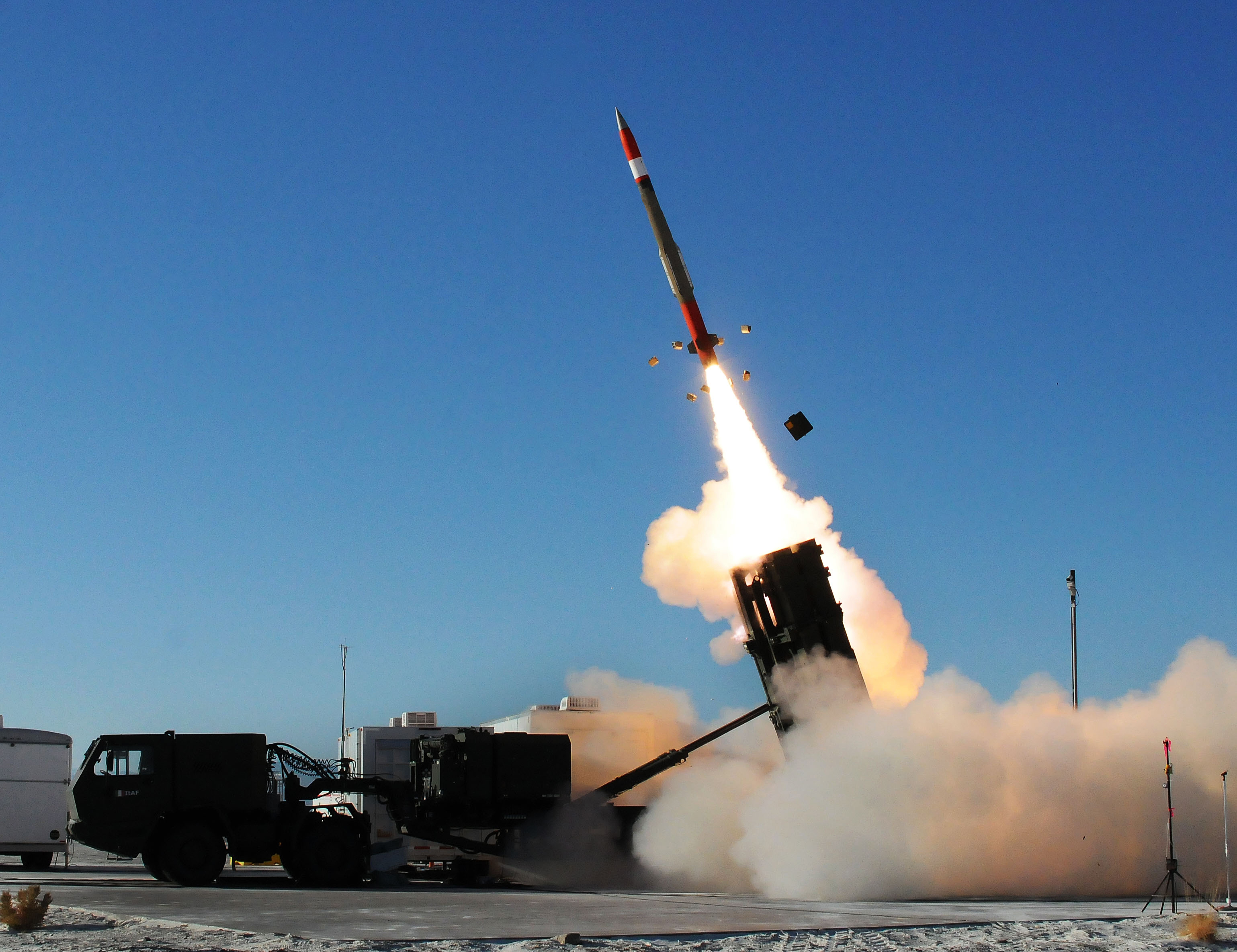
- Trump administration has backed away from licensing Patriot interceptor production to Ukraine and declined Kyiv's request for 300 interceptors, citing unwillingness to share sensitive technology including seekers, solid rocket motors, and guidance software.
- PAC-3 production arithmetic shows the U.S. manufactures roughly 600 interceptors annually with a stated goal to triple that, while Ukraine alone burns through 150 to 180 in a single month of intensive Russian attacks.
- Ukraine's deep-strike campaign has used four FP-5 Flamingo missiles to hit the Titan-Barrikady plant in Volgograd (~400 km from the border) and the VNIIR-Progress plant in Cheboksary, both producing components for Russian missile types.
- U.S. and Israeli operations against Iran demonstrated that striking launchers and command sites at the source did more to relieve pressure on Israeli defenses than interceptor stockpiles, which media reports say are running dangerously low.
- NATO's multi-domain operations doctrine theoretically calls for deep strikes against air defenses, key infrastructure, and critical industrial production in a conventional war with Russia — but German civilian policymakers interviewed by the author view this as too risky and escalatory.
- Germany continues to refuse to transfer Taurus cruise missiles to Ukraine, and SpaceX still blocks Starlink use over Russian territory despite Zelensky reportedly asking Trump to intervene — decisions the author cites as evidence that Western political leaders will not authorize deep strikes even in a direct NATO-Russia conflict.
- Author Franz-Stefan Gady identifies a gap between what NATO military commanders assume they would be permitted to do under alliance doctrine and what political leaders in each European capital would actually authorize under fire.
Why it matters: The U.S. produces ~600 PAC-3 interceptors annually while Ukraine burns through 150-180 per month — a math problem no expanded stockpile can solve quickly. The author argues that visible Western hesitation to strike deep inside Russia, echoed by Germany's Taurus refusal and SpaceX blocking Starlink over Russian territory, signals to Moscow that saturation attacks on European cities could proceed with impunity.
Ask SkimNews