Elite schedule 'not sustainable' amid 55-game seasons — SkimNews

Get the Sports newsletter
Daily sports — scores, transfers, the storylines from the leagues you actually follow. Free.
- Virgil van Dijk played 55 games for Liverpool last season and over 4,000 minutes in all competitions in 2025-26, then played the full 360 minutes (four games) for the Netherlands during the most recent international break.
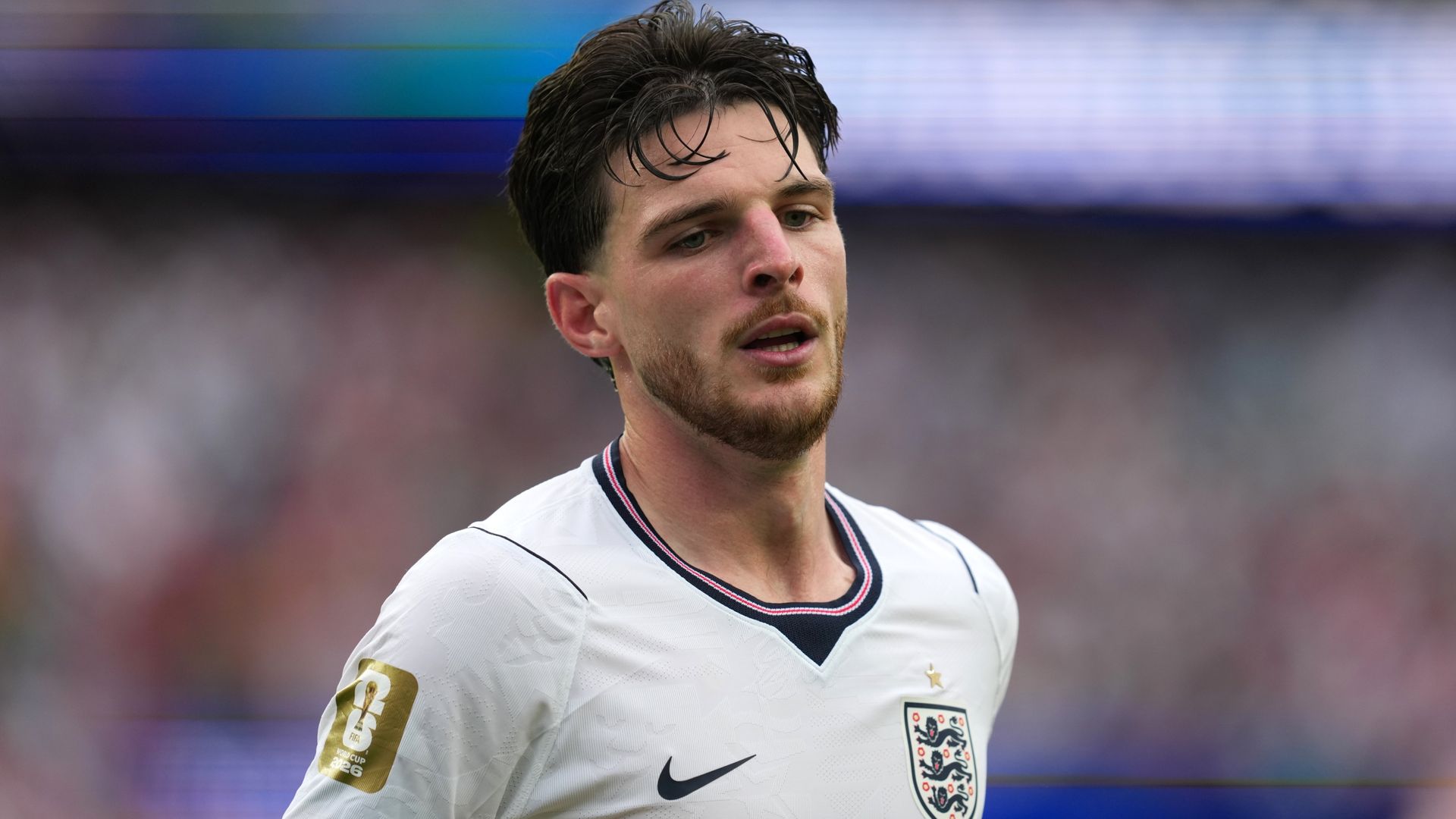
- Premier League players saw 25 players called up by their countries play the full 360 minutes during the break, 13 of whom had also featured at the World Cup — including Declan Rice, Morgan Rogers, and Harry Kane, who all exceeded 4,000 minutes in 2025-26.
- Five England players — Cole Palmer, Marcus Rashford, Declan Rice, Kobbie Mainoo and Tino Livramento — withdrew from the squad, while Germany's Kai Havertz and France captain Kylian Mbappé also pulled out of the window.
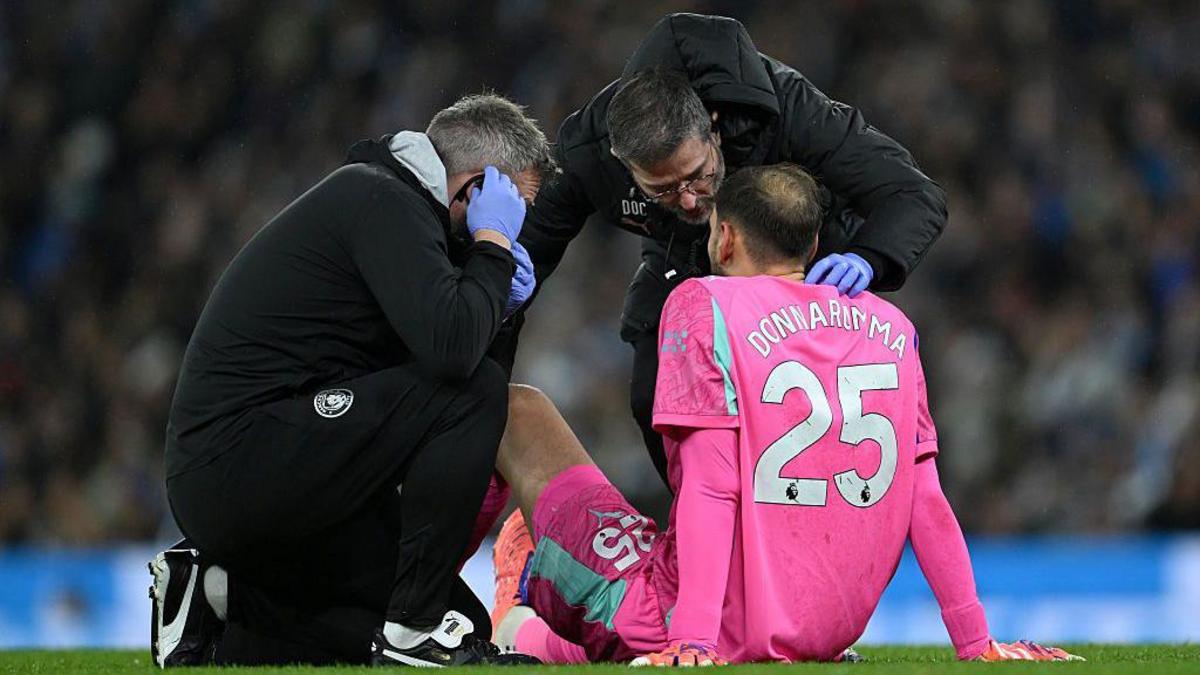
- PFA CEO Maheta Molango called the system 'sick' and is pushing for a mandatory three-week summer break plus a three-week retraining period every summer, asking: 'what's wrong about the industry?'
- Dr Chris James of Cardiff University said men's football carries a culture where players must 'look like they are coping' — 'like going back in time' with mental health — and noted players are turning to snus to stay focused through fixture density.
- Former goalkeeper Paul Robinson countered the rest-the-players case, saying 'players want to play in these games' and that Haaland and Kane would 'no chance' accept a three-week break if offered by their managers.
- The calendar is expanding: the new Club World Cup has been introduced, the World Cup is potentially expanding, and Premier League, domestic cup, and UEFA competitions show no sign of reducing fixtures — with no single body governing the schedule.
Why it matters: The fixture load is structurally set to grow, not shrink: the Club World Cup has launched, the World Cup is potentially expanding, and no independent body oversees the calendar. That leaves individual players — who Molango says 'have got little control' — choosing between risking injury and losing their place, and experts warn the mental-health cost shows up in international withdrawals and coping mechanisms like snus before the public notices a drop in performance quality.
Ask SkimNews