Where to watch the next total solar eclipse anywhere in the world

Get the Health newsletter
Daily health & science — research, biotech, public health, the studies worth knowing. Free.
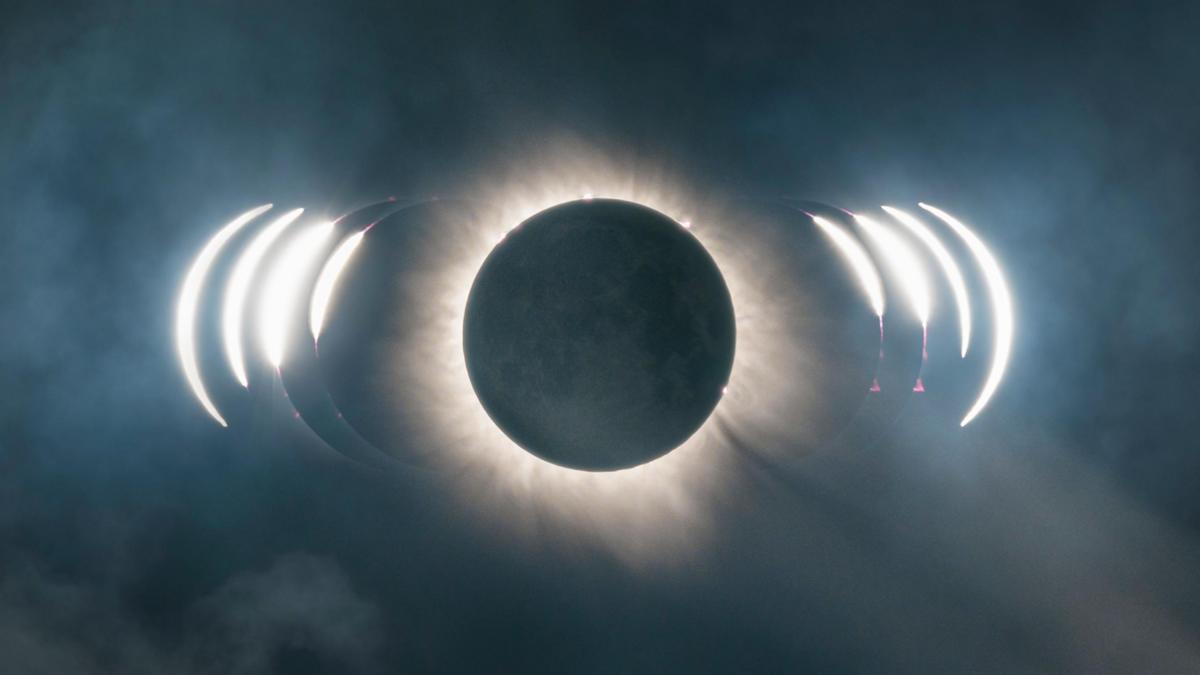
- The 12 August total solar eclipse will sweep across the Arctic, Atlantic, northern Russia, Greenland, Iceland, and Spain, with most of the path falling over ocean and remote terrain rather than inhabited regions.
- The 2 August 2027 total eclipse over northern Africa will deliver 6 minutes and 23 seconds of totality at maximum — the longest since 2009 — and no longer totality will occur until the year 2114.
- Totality length varies because Earth's and the moon's orbits are not perfectly circular; when the moon is closer to Earth or the sun farther away, the moon blocks the sun's disc for longer.
- Australia is the prime eclipse destination this decade, hosting total eclipses in July 2028 and November 2030 plus two more in subsequent years, while the 2031 event will not be visible from land at all.
- The US won't see a significant total eclipse until 2045, and most of Europe will have to wait until 2081 for its next one.
- Weather is the other key variable for eclipse planning, and northern Africa's relatively low cloud-cover tendency makes the 2027 event a strong bet compared with riskier polar-region eclipses.
Why it matters: Eclipse chasers face a near-decade-long dry spell of land-based total eclipses after 12 August, making the 6-minute-23-second 2027 event over northern Africa a once-in-a-generation opportunity — the longest totality until 2114 and backed by favorable weather prospects.