Hiroshima Marks 81 Years: Mayor Slams Nuclear Deterrence

Get the Geopolitics newsletter
Daily geopolitics — wars, elections, sanctions, the diplomatic moves that move markets. Free.
- Kazumi Matsui, mayor of Hiroshima, condemned major powers at the 81st anniversary ceremony for downplaying nuclear weapons' inhumanity and legitimizing their possession as deterrence, warning this could lead to "another Hiroshima or Nagasaki."
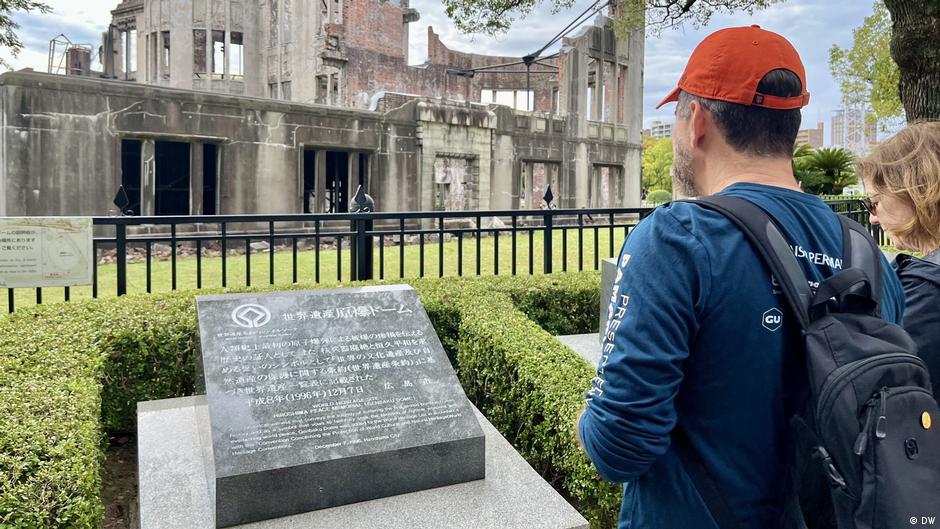
- About 50,000 people attended the ceremony at Hiroshima Peace Memorial Park, including representatives from ~120 countries and regions including the United States and Iran; a minute of silence was held at 8:15 a.m., the moment the US B-29 dropped the bomb.
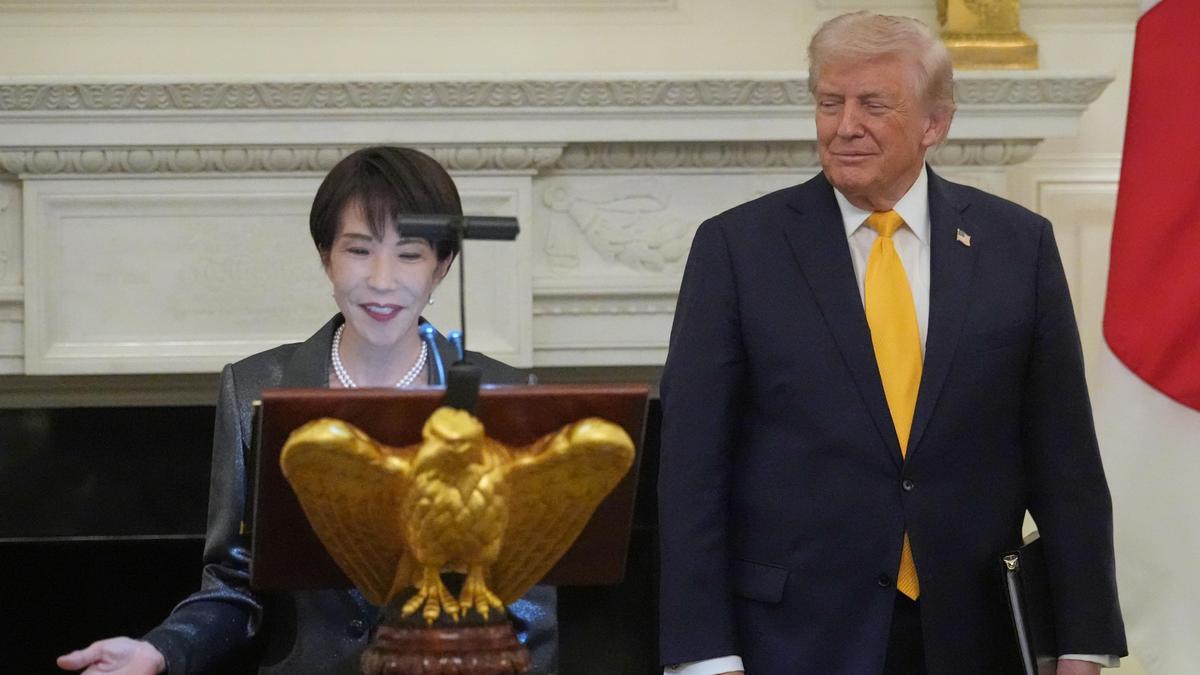
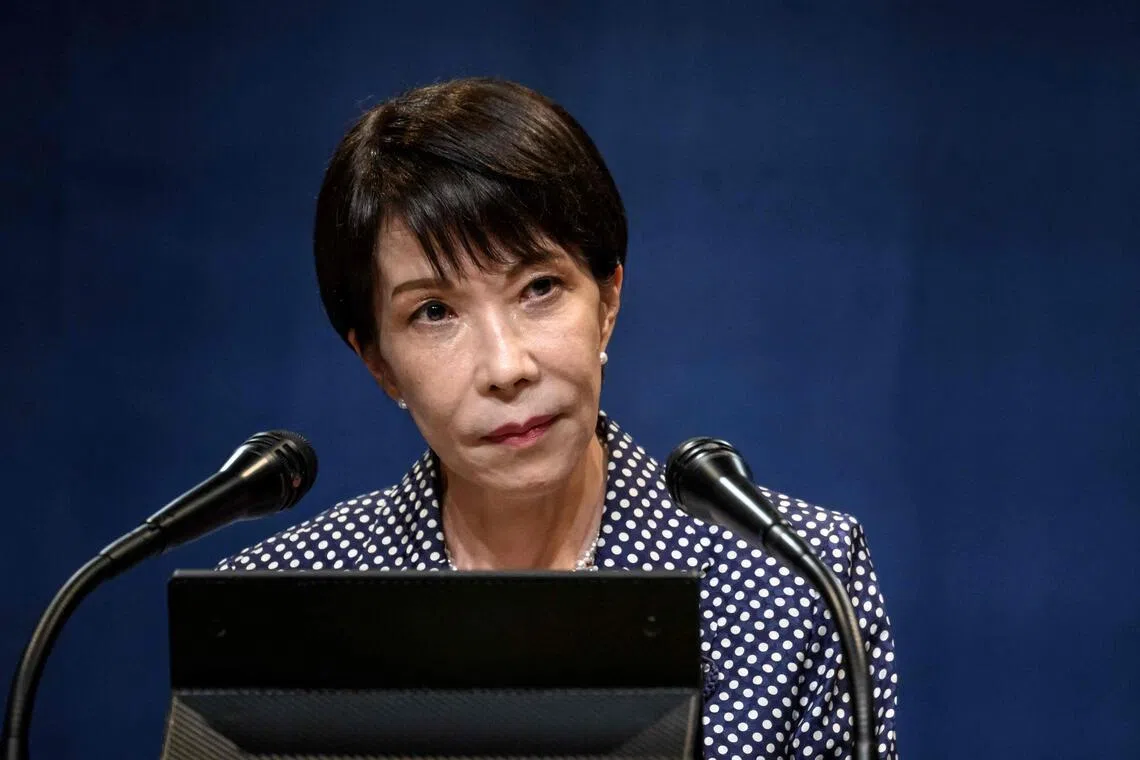
- PM Sanae Takaichi, attending for the first time as Prime Minister, pledged a "realistic approach" toward eliminating nuclear weapons but fell short of committing to maintain Japan's three non-nuclear principles going forward.
- Takaichi's hawkish government is the subject of looming speculation that it may ease Japan's three non-nuclear principles when it compiles new security and defence documents later this year, including potentially dropping the third principle against permitting nuclear weapons to enter Japan.
- Japan remains under the US nuclear umbrella and has repeatedly rejected survivors' requests to sign the Treaty on the Prohibition of Nuclear Weapons or attend its meetings as observers.
- Hiroshima survivors now number 91,105—about a quarter of the original total—with an average age exceeding 86, and survivors worry about fading memories as the youngest were too young to clearly recall the attack.
Why it matters: PM Takaichi's government is weighing whether to drop the rule against permitting nuclear weapons onto Japanese soil, explicitly signaling openness to reversing a postwar principle while the mayor of Hiroshima uses the same memorial to denounce nuclear deterrence. The moment is sharpened by the dwindling survivor population: 91,105 remain, with an average age over 86, meaning each ceremony carries a more fragile link to direct testimony.