Hiroshima survivors: Japan rearmament risks nuclear war
Get the Geopolitics newsletter
Daily geopolitics — wars, elections, sanctions, the diplomatic moves that move markets. Free.
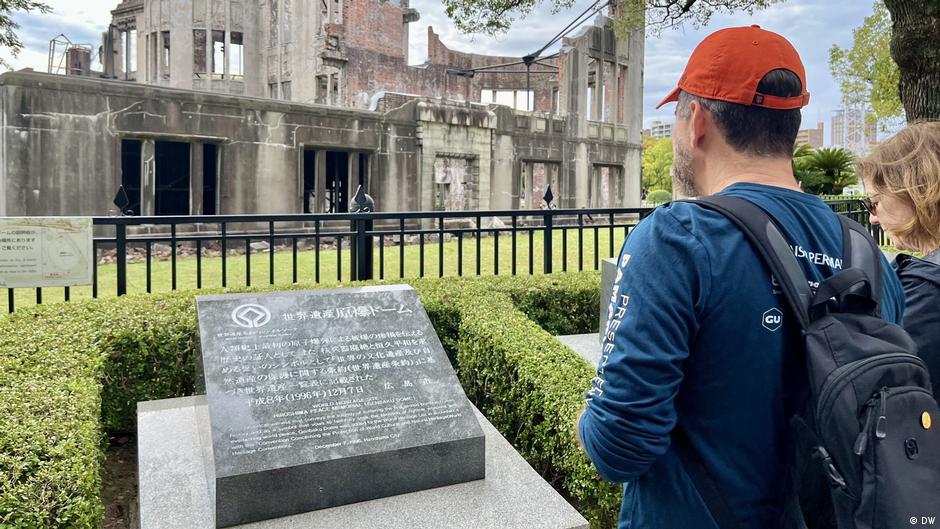
- Nihon Hidankyo survivors at Hiroshima's 81st anniversary commemoration warned Japan's military buildup destroys the international trust its postwar pacifist constitution earned, calling the rearmament a recreation of the arms race that led to WWII.
- Masashi Ieshima, 84, who survived the Hiroshima bombing at age 3, said the current trajectory could lead to a nuclear war, singling out Japan's Taiwan-conflict justification as especially alarming.
- Sanae Takaichi's government, in office since October 2025, relaxed arms export restrictions in April 2026 to allow lethal weapons exports and is now considering revising Japan's three non-nuclear principles.
- Shinjiro Koizumi told AFP that Japan must "further reinforce and transform its defense capabilities with a stronger sense of urgency and crisis," citing risks from China, North Korea and Russia.
- The average age of Japan's hibakusha survivors has reached almost 87, with second-generation speakers like 73-year-old Takako Nakamura stepping up after the original witnesses age out.
- Around 27,000 people protested outside Japan's parliament on July 10, with organizers noting an unusual surge in 20s-to-40s participants and women-led organizing.
- Koichi Nakano, a Sophia University political science professor, argued Japan is being "skillfully drawn into" a US-Europe alignment against China and should instead pursue disarmament and dialogue.
Why it matters: With PM Takaichi having already eased arms export rules in April 2026 and opened the door to reconsidering Japan's three non-nuclear principles, and with average hibakusha age hitting 87, the last voices warning of nuclear war risk losing political relevance within their own lifetimes — a generational collision between fading testimony and an accelerating security doctrine.