US Moves THAAD and Surface Fleet to Middle East — SkimNews

Get the Geopolitics newsletter
Daily geopolitics — wars, elections, sanctions, the diplomatic moves that move markets. Free.
- U.S. defense officials downplayed Asian allies' concerns about diminishing munitions stockpiles and the concentration of U.S. forces in the Middle East.
- Elbridge Colby said the United States is “laser‑focused on the First Island Chain” of Japan, the Philippines, and Taiwan.
- U.S. Forces Korea (USFK) redeployed its Patriot missile defense system, guided bomb kits, and MGM‑140 Army Tactical Missile System from South Korea.
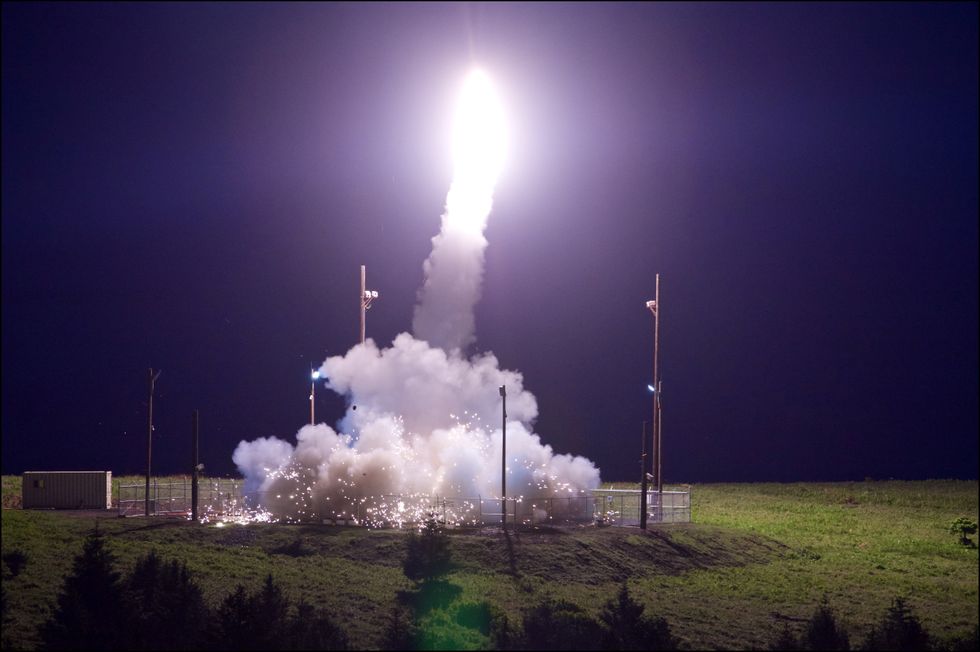
- THAAD launchers were moved out of South Korean bases, while the THAAD radar likely remained; some launchers and interceptors may have been redeployed.
- Two U.S. guided‑missile destroyers normally based in Yokosuka are currently operating in the Arabian Sea.
- South Korean President Lee Jae‑myung opposed the U.S. decision to shift air‑defense assets but said he could not impose South Korea’s position on Washington.
- Japan opposition leader Ogawa Junya condemned the redeployment, noting Japan has not allowed U.S. forces to sortie for Middle East missile strikes.
Why it matters: South Korea and Japan lose a portion of U.S. missile‑defense coverage as THAAD launchers, Patriot batteries and a third of the U.S. surface fleet relocate to the Middle East, tightening diplomatic friction and prompting both governments to question Washington’s commitment to Indo‑Pacific deterrence.
Ask SkimNews