US Treasury's Bessent faces G20 diplomacy test amid tariffs, Iran war, bond turmoil — SkimNews
Get the Geopolitics newsletter
Daily geopolitics — wars, elections, sanctions, the diplomatic moves that move markets. Free.
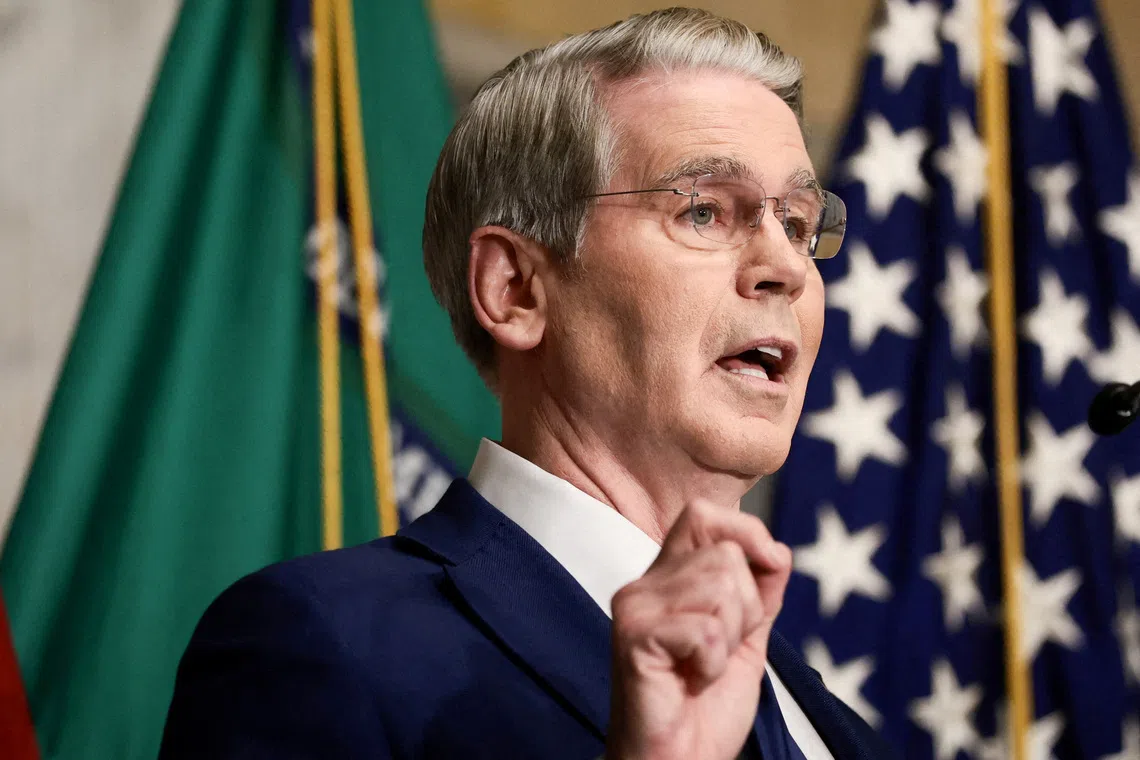
- Scott Bessent is hosting G20 finance ministers in Asheville, NC on Monday and Tuesday, pressing them to shrink trade imbalances, boost growth, and sever Iran business ties after the US boycotted last year's South Africa summit.
- Bessent imposed curbs on an Egypt-based bank Friday over Iran-linked branches in the UAE and has threatened secondary US sanctions on any country buying Iranian oil, while the Strait of Hormuz remains closed by the ongoing Iran war.
- The Trump administration hit all G20 members plus the EU—part of 60 economies—with 10% or 12.5% tariffs in July over alleged lax enforcement of forced labor bans, with 16 top trading partners facing additional levies from an industrial capacity probe.
- US public debt crossed $40 trillion on August 19 (doubled since 2017), and 30-year yields hit 19-year highs this month, prompting Bessent to double scheduled buybacks of longer-dated Treasuries to $4 billion per operation—a move that drew criticism from his former mentor Stanley Druckenmiller.
- China's exports surged 23.9% year-on-year in July, flooding Europe with EVs and semiconductors after high US tariffs and an outright ban blocked them; the IMF estimates the yuan is undervalued by 21%.
- Bessent conducted a joint yen intervention with Japan on August 1 and purchased Argentine pesos in October 2025, extending his corrective market tactics from bonds into G20 currencies.
- Former Treasury negotiator Mark Sobel said G20 ministers 'won't buy into soothing words,' noting their economies are being 'adversely hit' by the Trump-era Iran war, which their countries do not support.
Why it matters: Bessent must persuade G20 counterparts hit by Trump's Iran war to back his agenda while defending a US fiscal path that pushed debt past $40 trillion on August 19—and his $4 billion Treasury buyback move already drew public criticism from former mentor Stanley Druckenmiller, signaling weakening leverage on every front.
Ask SkimNews


