Philippines deploys US-made Triton naval drones in its western waters to scout for intruders — SkimNews
Get the Geopolitics newsletter
Daily geopolitics — wars, elections, sanctions, the diplomatic moves that move markets. Free.
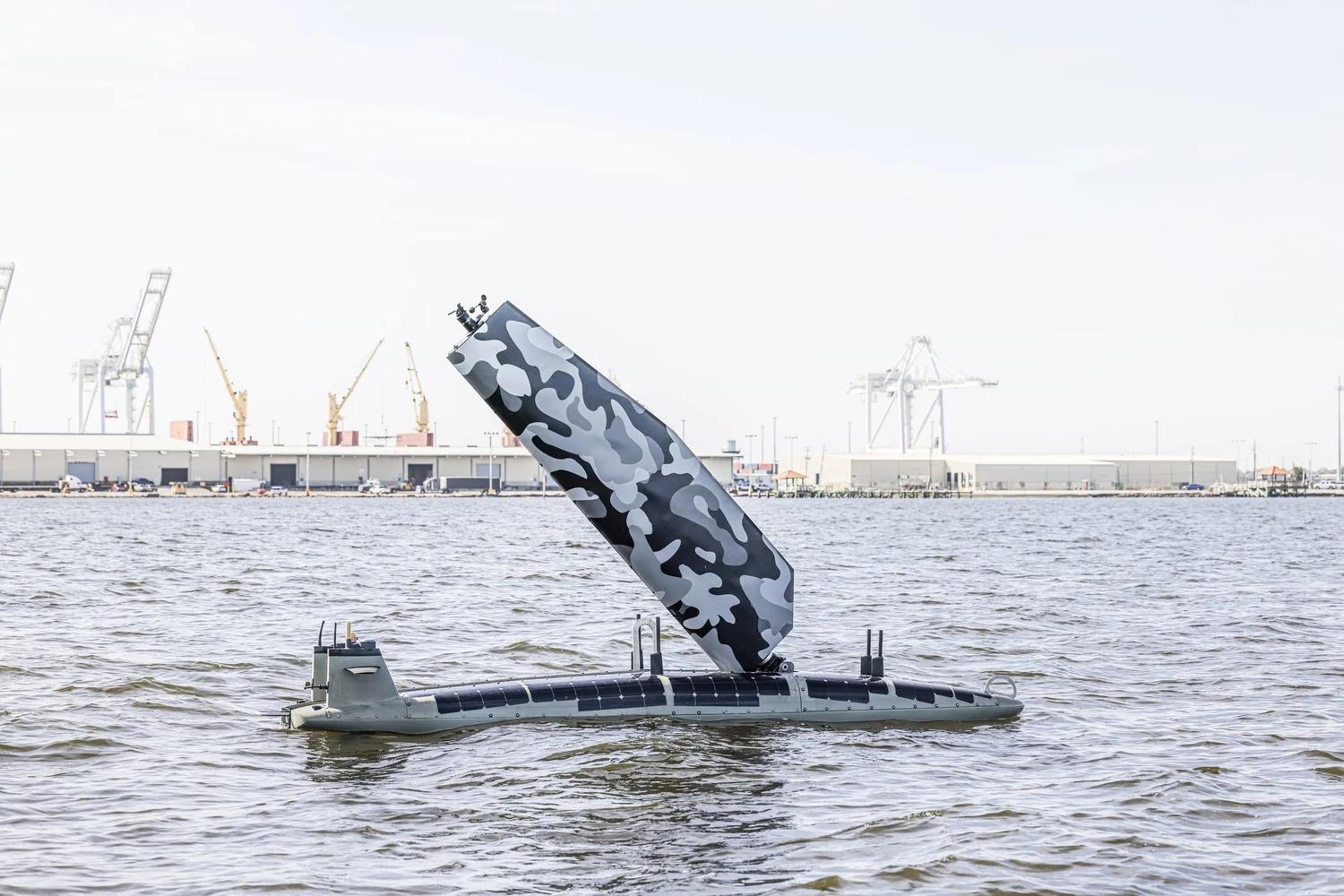
- Philippine Navy will deploy four Triton autonomous underwater and surface drones in the West Philippine Sea to protect subsea cables and monitor incursions by Chinese vessels and maritime militia in disputed features.
- U.S. Embassy in the Philippines announced the transfer of the AUSVs worth 754 million pesos ($13 million), produced by American firm Ocean Aero, to enhance the Navy's ability to detect and respond to maritime challenges.
- China discreetly deployed a 6x6 meter floating platform equipped with an antenna at Scarborough Shoal in late May to allegedly gather Philippine maritime data, but removed the structure after Manila lodged diplomatic protests.
- Triton drones are solar-powered and capable of autonomous navigation on surface and underwater, diving to 100 meters, remaining submerged for 10 days, and conducting surface patrols for up to 30 days, fitted with video cameras, thermal imaging, and sonars.
- Ocean Aero, headquartered in Gulfport, Mississippi, has also pitched the AUSVs for U.S. Navy mine-clearing in the Strait of Hormuz and uses them domestically to protect subsea cables from sabotage.
- U.S. Senate earmarked $2.5 billion in December for Philippine military modernization to be disbursed from 2026 to 2030, with the Triton drones included in the Philippines-U.S. Security Sector Assistance Roadmap.
Why it matters: The $13 million drone transfer is a direct US military response to documented Chinese gray-zone operations at Scarborough Shoal and fits within a $2.5 billion five-year Senate package for Philippine modernization. It hands Manila persistent ISR capacity that neither crewed ships nor aircraft alone can provide, making Chinese maritime militia incursions harder to mask.
Ask SkimNews