In Michigan, the price of energy is on the ballot and both parties know it
Get the Energy newsletter
Daily energy & climate — solar, EVs, oil, the policy fights and tech bets shaping the transition. Free.
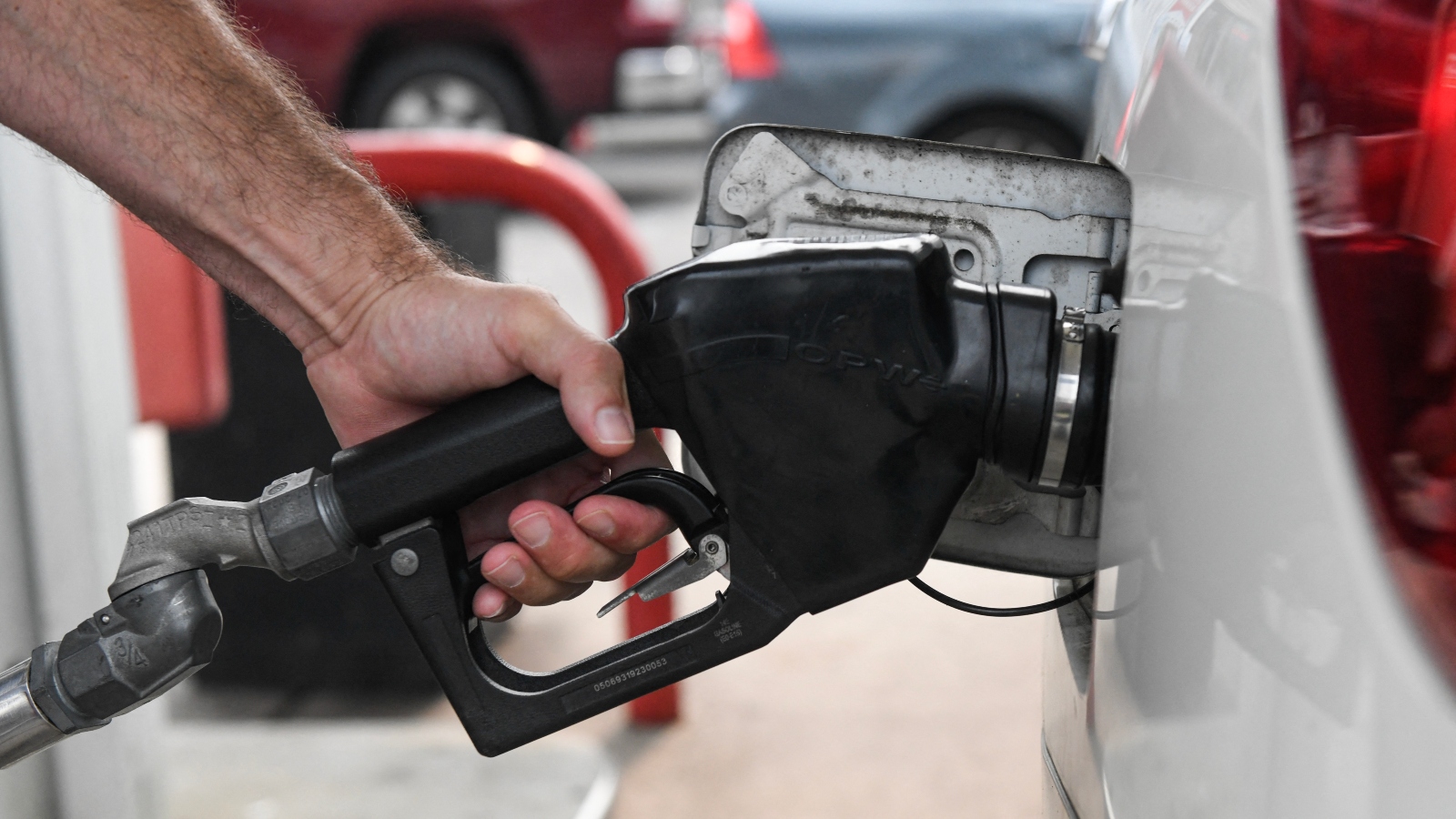
- Michigan gas prices rose roughly 32% in three weeks after the US-Iran war broke out in late February, climbing from $2.99 to $3.95 per gallon, with a 90-cent single-week spike among the sharpest in any midterm battleground state.
- Governor Gretchen Whitmer declared a formal energy emergency letting southeast Michigan stations sell cheaper summer-blend fuel; prices kept climbing anyway, briefly topping $4.
- President Donald Trump's economic approval among Michigan Republicans fell from 74% to 62% between March and April, and a Climate Power survey of 600 likely voters found 58% say he has made energy prices more expensive, with 63% rejecting his claim that high gas is a 'small price to pay' for the Iran war.
- Michigan lost $4.1 billion in planned clean manufacturing investment and roughly 11,700 jobs after Trump-era rollbacks, while $540 million in climate grants were canceled or delayed — including $156 million earmarked for low-income residents to install solar panels.
- House Republicans passed 'Project Lighthouse' to repeal Michigan's 2023 Clean Energy and Jobs Act, which mandates 100% renewable electricity by 2040; the package is expected to die in the Democratic-held Senate, but utilities' first integrated resource plans under the law will be filed in 2026.
- The Trump administration ordered Consumers Energy to keep the J.H. Campbell coal plant running past its planned retirement, a decision state Attorney General Dana Nessel and other critics said will cost ratepayers more than transitioning away from it.
- More than 150 Michigan politicians from both parties have pledged to reject campaign funding from Consumers Energy and DTE, even as Consumers requested another electricity rate hike this week.
Why it matters: Michigan Republicans' 2026 pickup hopes are colliding with $4-a-gallon gas and a 12-point drop in Trump's approval among his own voters there, while November's election will set the rules for utilities' first integrated resource plans under the state's 100% renewable mandate. The swing constituency is voters like Lansing's Alexis Jones, whose utility bill is 'almost $400.'