Analysis: Iran war energy shock hits the U.S. economy as gas and diesel prices climb — SkimNews

Get the Finance newsletter
Daily finance — markets, central banks, M&A, the prints that move money. Free.
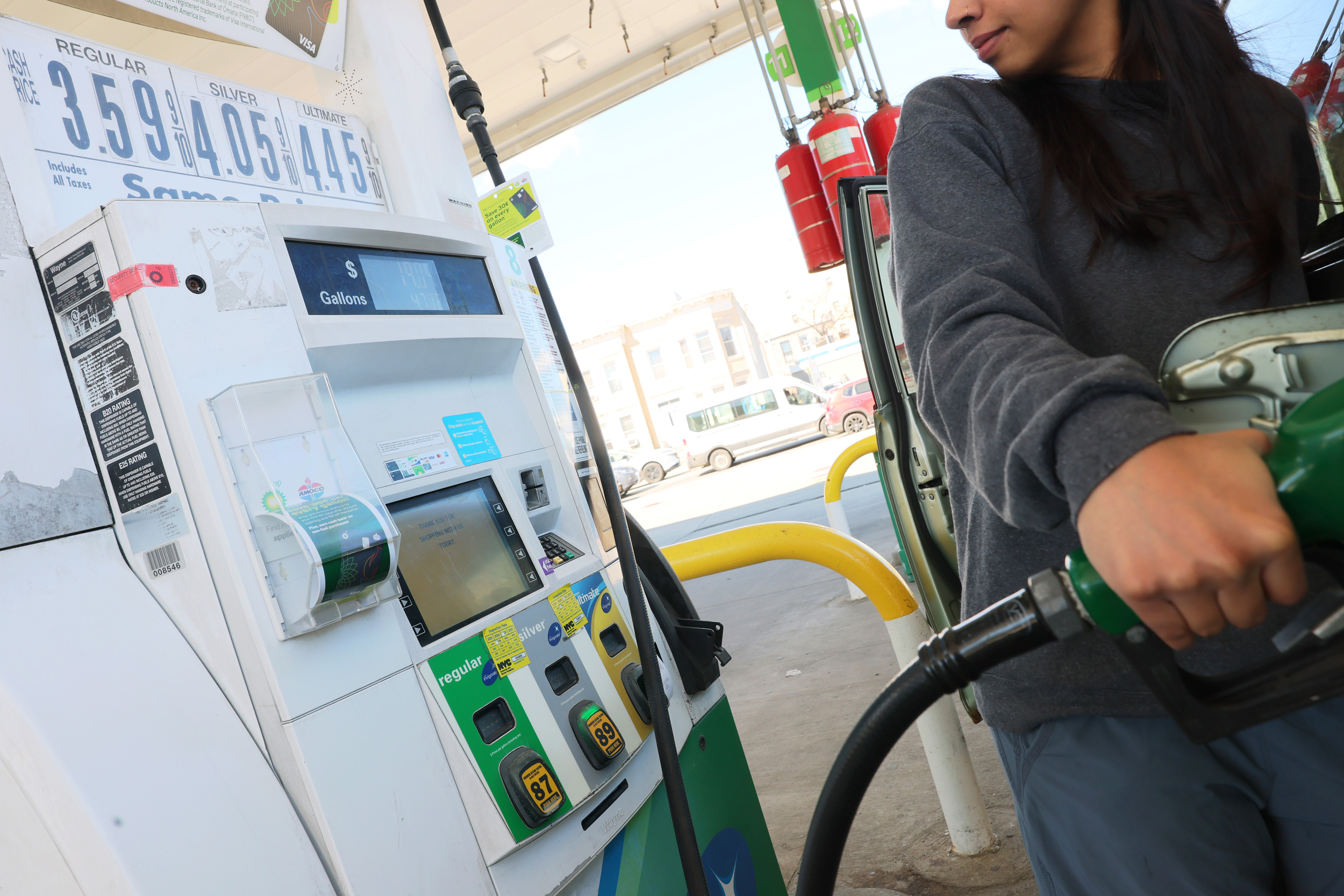
- AAA data shows the national average gas price hit $4.06/gallon on Wednesday, up 4.4% from $3.89 a week prior, as the Iran war's energy hit reaches U.S. pumps.
- Diesel benchmarks jumped nearly 34 cents last week to $5.13/gallon — the biggest weekly climb since the war's first week in March — and carry an asymmetric relationship with oil that keeps them elevated even if crude falls, per Rabobank's Christian Lawrence.
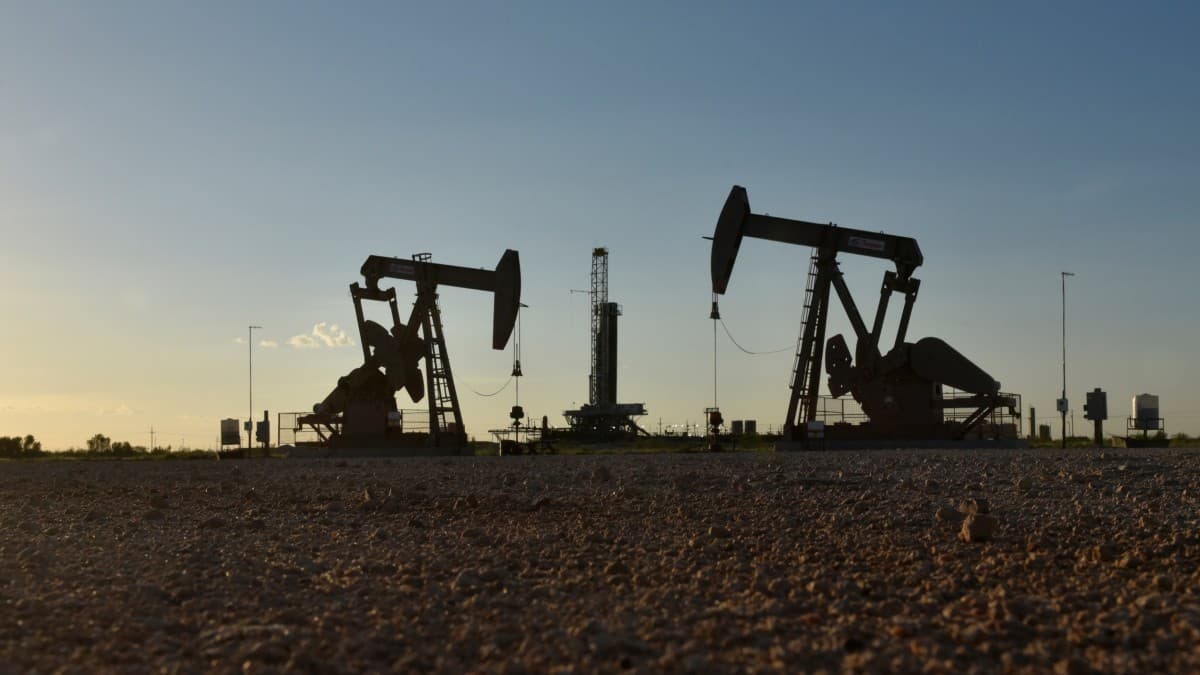
- U.S. refineries are running at 96.1% capacity and can't produce more, while Cushing, Oklahoma storage has been at "tank-bottom" since early June, per the EIA.
- The Strategic Petroleum Reserve has dropped to 311 million barrels, its lowest level since March 1983, after the administration released massive volumes alongside eased shipping rules and reduced sanctions on Russian and Iranian oil.
- Ukraine's refinery campaign hit 24 of Russia's 34 largest refineries in the past three months, per BofA Global Research, flipping Russia from a diesel exporter to an importer just as China is restocking.
- The White House says prices will "plummet back to pre-conflict levels" as the military degrades Iran's ability to disrupt the Strait of Hormuz, though Lawrence adds: "There is no short-term solution."
- The CNBC All-America Economic Survey found 37% of U.S. voters are using credit cards more for food and gas, up 6 points since April as the war has dragged on.
Why it matters: With refineries at 96.1% capacity, the SPR at its lowest since 1983, and no short-term solution available, diesel prices will likely stay elevated through Labor Day even if a ceasefire is reached — squeezing the 37% of voters already leaning on credit cards for gas and food, up 6 points since April.
Ask SkimNews