Sugar-Free Diet Worsened Metabolic Health in Mouse — SkimNews

Get the Health newsletter
Daily health & science — research, biotech, public health, the studies worth knowing. Free.
- Researchers at the Dasman Diabetes Institute in Kuwait found that mice on a sucrose-free low-fat diet showed worse glucose control, insulin resistance, and gut microbiome imbalances over a 16-week study compared to mice given some sucrose.
- The study was presented Saturday at ENDO 2026, the Endocrine Society's annual meeting in Chicago, and measured glucose tolerance, insulin sensitivity, circulating metabolic hormones, the gut microbiome, and inflammation in the colon and liver.
- Principal scientist Rasheed Ahmad said complete sucrose removal "may unexpectedly disrupt gut health and promote inflammation and metabolic dysfunction," arguing that balanced nutrition matters more than eliminating sugar.
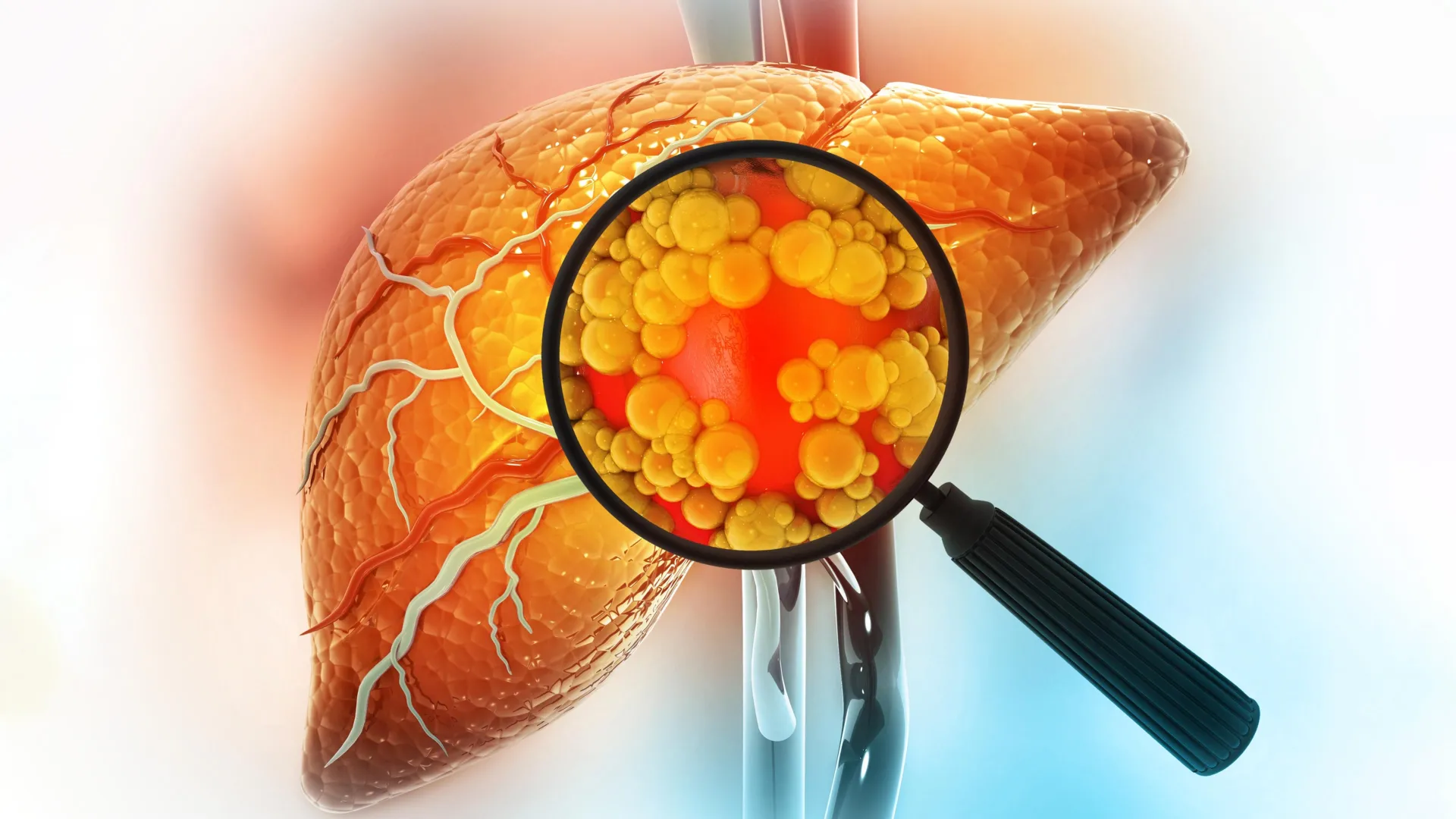
- Mice on the sugar-free diet also developed intestinal inflammation and changes associated with fatty liver disease, despite maintaining body weights similar to the control group.
- Ahmad's team noted that little was previously known about the consequences of highly restrictive low-fat diets that cut sugar entirely, and said the findings could shape future dietary recommendations.
- Faisal Hamed Al-Refaei, Acting Director General of the Dasman Diabetes Institute — founded by the Kuwait Foundation for the Advancement of Sciences — framed the work as part of the institute's push for "evidence-based scientific discoveries."
Why it matters: The study challenges the simple 'cut all sugar' dietary assumption by showing that complete sucrose elimination in mice produced metabolic and gut disruption over 16 weeks, despite similar body weights. For future dietary guidelines — which researchers say this work could influence — the mouse-level finding suggests gut microbiome health may need equal weight alongside sugar restriction.
Ask SkimNews