Amazon debuts Bee AI wearables, adds shopping integration — SkimNews

Get the Tech newsletter
Daily tech — startups, AI labs, chips, the launches that shape the next decade. Free.
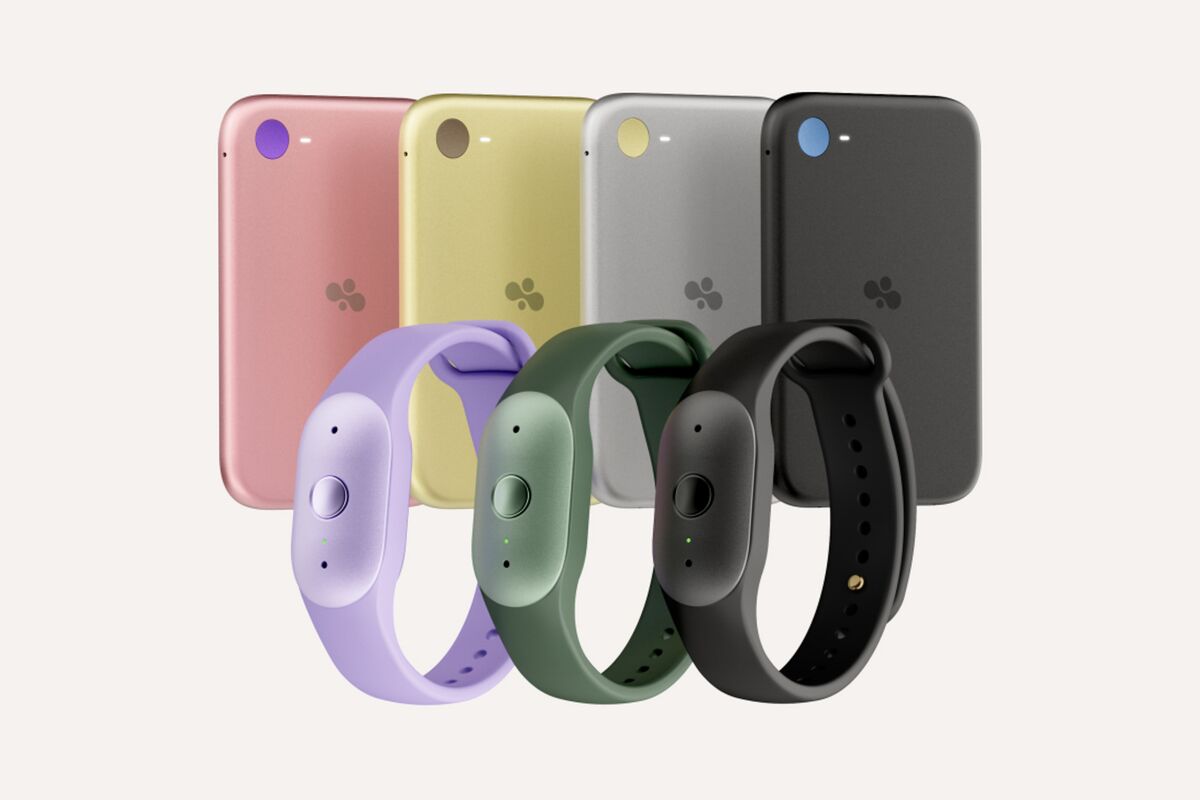
- Bee Frontier launches at $74.99 today as an updated wrist-or-clip AI wearable with dual microphones, a 7-day battery, IP67 water resistance, and a redesigned prominent recording button, available in black, green, and lavender.
- Bee Eclipse arrives soon at $99.99 as a credit-card-shaped device that snaps magnetically to a smartphone's back, pitched for professional use cases with a 21-day battery life and colors including black, pink, yellow, and silver.
- Amazon is introducing a Bee Pro subscription at $11.99/month; the free tier includes conversation summaries and 14 days of memory, while the paid tier adds "unlimited" summaries, to-dos, third-party app integrations, a desktop app, and the marquee Alexa Plus and Amazon shopping compatibility.
- The opt-in Amazon integration surfaces shopping suggestions drawn from conversations — for instance, reminding a user to buy cat litter on their Amazon homepage when a spouse mentions it during the day, with a product card surfacing inside the Bee mobile app.
- Bee integrates with Gmail, Google Calendar, Outlook, Apple HealthKit, and photos, enabling the AI to draft emails and send calendar invites based on what it overhears in daily conversations.
- Amazon told The Verge that Bee devices encrypt transcripts, summaries, and to-dos via its "Private Compute" security architecture and do not store audio recordings, with the ability to auto-stop recording during silence; voices other than the primary user are not identified unless they separately opt in to voice training.
Why it matters: Amazon is turning an always-listening wearable into a direct pipe from overheard conversation into its shopping funnel. With the Bee Frontier undercutting comparable AI note-takers at $74.99 plus an $11.99/month subscription gate, the surveillance-tech backlash becomes a direct purchasing decision for consumers deciding whether the convenience is worth giving Amazon purchase-intent data.
Ask SkimNews