US-Turkiye Power-Sharing Push Tests Libya's Divided Governments

Get the Geopolitics newsletter
Daily geopolitics — wars, elections, sanctions, the diplomatic moves that move markets. Free.
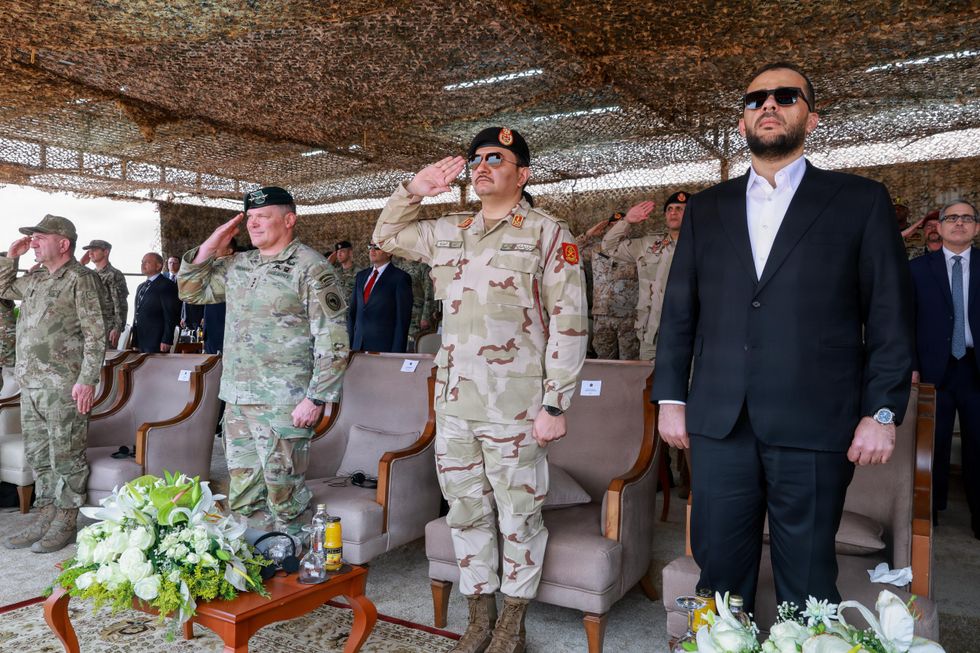
- Libya has been divided since 2014, with two rival administrations, two prime ministers, and two seats of government in the east and west, according to the panel discussion.
- A US plan to unify the warring parties under a power-sharing deal is gathering momentum, as reported by the discussion hosted by James Bays.
- Turkiye has joined Washington in diplomatic efforts to bring Libya's rival parties together, adding a second major external actor to the push.
- Multiple international diplomatic initiatives have failed over the past decade to end the impasse, underscoring the difficulty of reaching a sustainable deal.
- The panel — Anas El Gomati of the Sadeq Institute, William Lawrence of the National Council on US-Arab Relations, and Murat Aslan of the SETA Foundation — debated whether common ground exists or whether the process risks renewed fighting.
- The open question raised by the discussion is whether the US-Turkiye-backed power-sharing track can succeed where previous efforts failed, or whether it could instead trigger renewed conflict between the rival administrations.
Why it matters: Libya has carried two rival governments, two prime ministers, and two seats of power for over a decade, and every prior diplomatic effort has collapsed. If the US-Turkiye power-sharing push succeeds, it would end the longest stretch of state division in Libya since 2014; if it fails, the rival administrations in Tripoli and Benghazi face renewed armed confrontation, directly affecting Mediterranean stability and migration routes.