High-wire diplomacy delivered US-Iran deal but hardest stage lies ahead, sources say — SkimNews
Get the Geopolitics newsletter
Daily geopolitics — wars, elections, sanctions, the diplomatic moves that move markets. Free.
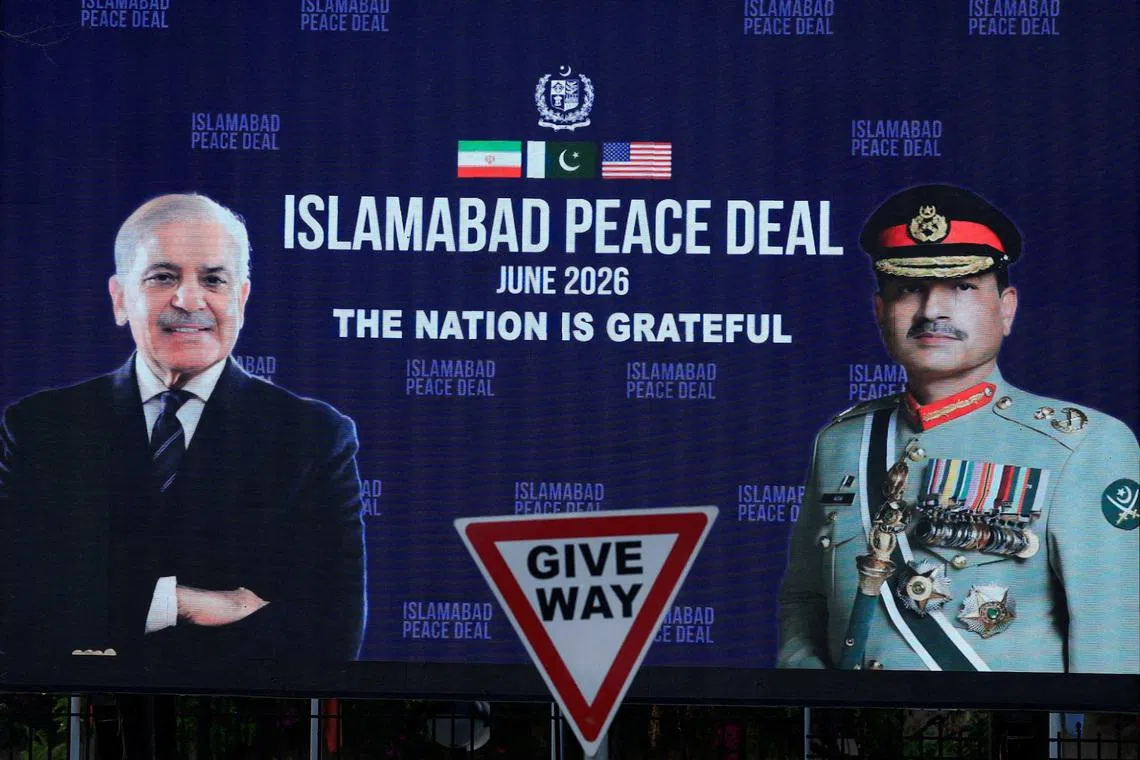
- Pakistani PM Shehbaz Sharif announced a 14-point memorandum on Monday aimed at ending the war and competing blockades of the Strait of Hormuz, through which a fifth of the world's oil and LNG normally flows.
- Qatar stepped into stalled talks in mid-May, making five discreet trips to Tehran — often via Turkey — and on May 19 flew to Washington, where its team edited the text from inside the White House while calling Iranian counterparts.
- Pakistan's army chief Field Marshal Asim Munir passed messages between the two sides through the final night when talks collapsed after an Israeli attack on Lebanon, with the agreement coming through hours later around 11 p.m. Pakistan time on Sunday.
- Trump's late-May call for Iran and Pakistan to join the Abraham Accords and normalize relations with Israel disrupted the negotiations, four Pakistani sources said.
- Iran's decision-making became unusually fragmented after US attacks weakened its leadership structure, slowing responses to urgent proposals; a representative of Supreme Leader Mojtaba Khamenei later traveled to Islamabad to open direct communications.
- The two sides now have 60 days to negotiate a final settlement covering sanctions relief, Strait of Hormuz management, and restrictions on Iran's nuclear program — with analyst Alex Vatanka of the Middle East Institute warning that 'Washington and Tehran appear to have different interpretations of the same text.'
Why it matters: Pakistan's army chief and Qatar's financial assurances did the heavy lifting to get the US-Iran framework, but analysts say Washington and Tehran 'have different interpretations of the same text' heading into a 60-day final-negotiation window. One diplomat warned Israeli strikes in Lebanon and a Hezbollah response 'could unravel the deal.'
Ask SkimNews


