US-Iran accord may crumble faster than the ink can dry — SkimNews

Get the Geopolitics newsletter
Daily geopolitics — wars, elections, sanctions, the diplomatic moves that move markets. Free.
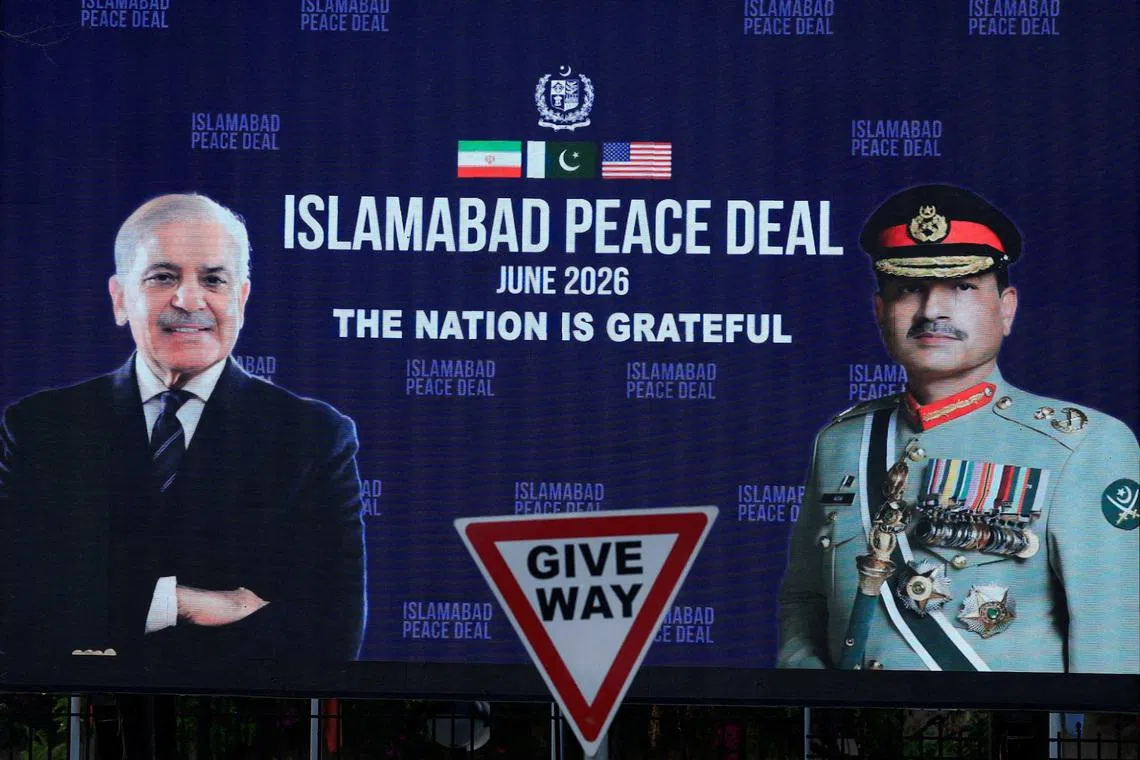
- Shehbaz Sharif announced on June 14, 2026 that the US and Iran reached a deal to end the war, with official signing set for June 19 in Switzerland.
- Trump declared on Truth Social that the Strait of Hormuz is open, the US blockade is lifted and oil is flowing — but his announcement omitted Iran's nuclear program and enriched uranium stockpile.
- The deal defers Iran's nuclear enrichment, ballistic missiles and regional proxies for 60 days, the same issues that ended the 2025 and 2026 negotiations in US-Israeli bombing.
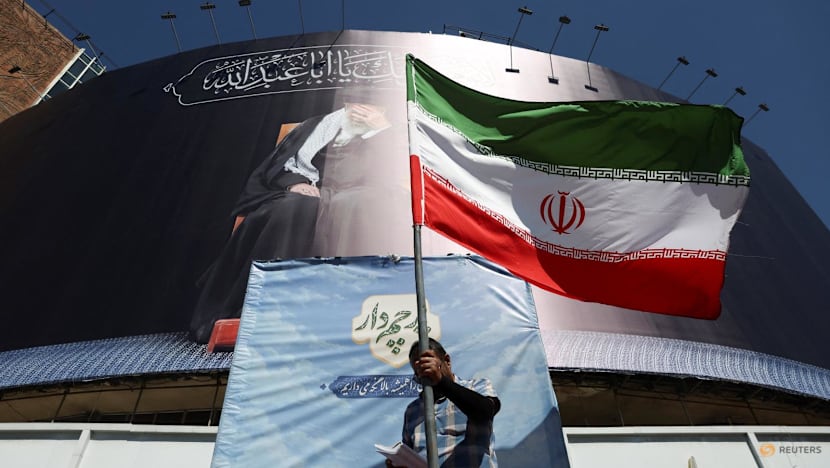
- The 2015 JCPOA limited Iran's enrichment to 3.67% and its stockpile to under 300 kg per IAEA verification, but the US walked away in 2018 and bombed Iran in June 2025 and February 2026 — the latter killing Supreme Leader Ali Khamenei and lead negotiator Ali Larijani.
- The agreement ends the fighting and reopens the Strait of Hormuz but places no cap on enrichment and does not address dismantling Natanz, Fordow and Isfahan, making it a ceasefire rather than a nuclear deal.
- Even as the deal was being finalized, Israel struck Beirut, the kind of action the author argues signals the 60-day window is a pause before the next round of talks collapses.
Why it matters: The US and Iran end the war with oil flowing and the Strait of Hormuz reopened, but the question that triggered it — zero enrichment versus Iran's sovereign right to enrich — remains unsplit, with a 60-day clock. Iran keeps its enrichment knowledge intact; the US keeps its damaged credibility after striking Iran twice while talks were ongoing.
Ask SkimNews