Fujimori sworn in as Peru president, pledges iron fist — SkimNews

Get the Geopolitics newsletter
Daily geopolitics — wars, elections, sanctions, the diplomatic moves that move markets. Free.
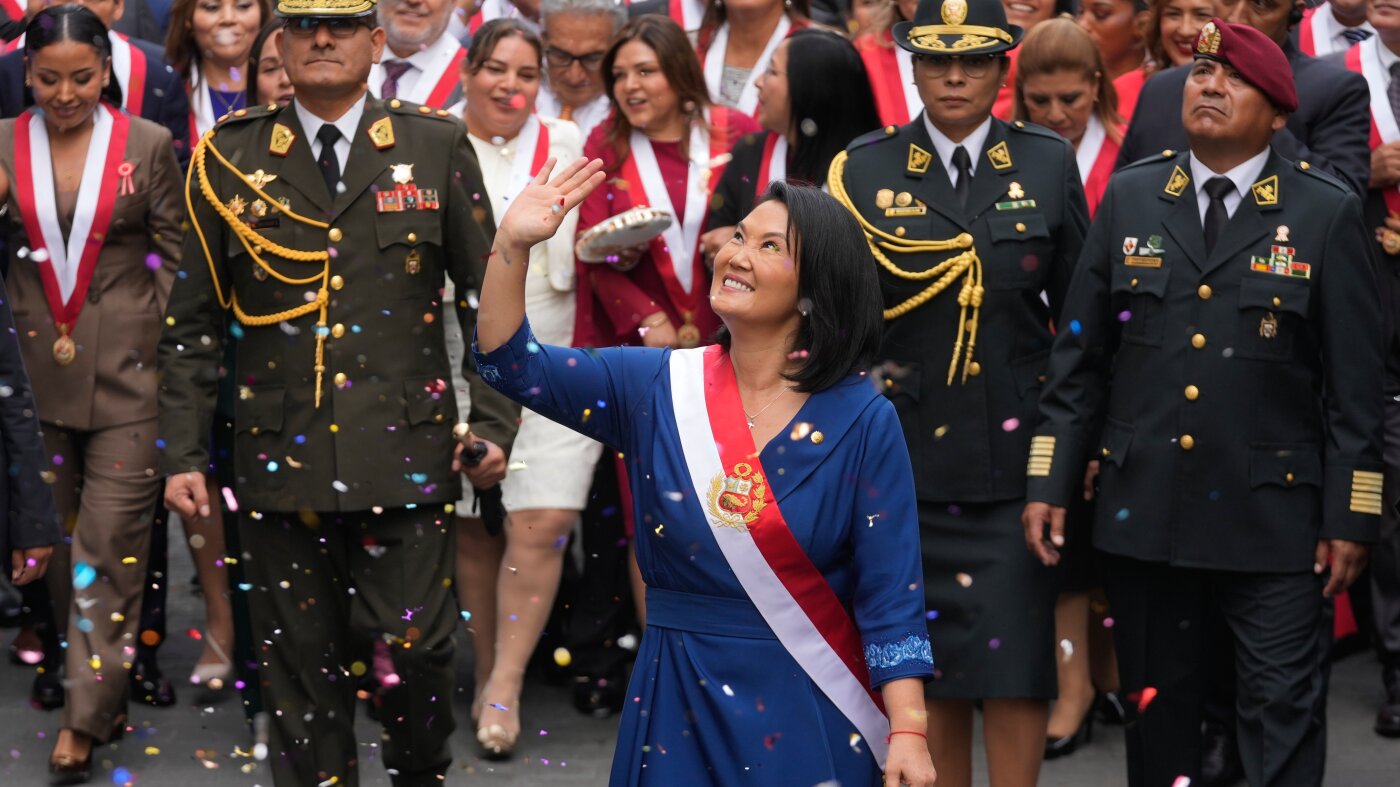
- Keiko Fujimori was sworn in as Peru's president after defeating left-wing rival Roberto Sanchez by fewer than 50,000 votes in June's run-off, becoming the country's ninth president in a decade.
- Her Fuerza Popular party holds the largest bloc in Congress and, together with its main right-wing ally, controls half the seats in the newly installed Senate, making her removal from office harder though still short of a working majority.
- Fujimori campaigned on law and order amid what the source calls Peru's worst security crisis in decades, proposing a mega-prison modeled on El Salvador's Cecot facility, anonymous judges for criminal trials, deportations of undocumented migrants, and forced prisoner labor.
- Alberto Fujimori, her father and former president, is credited with defeating the Shining Path Maoist rebellion and curbing hyperinflation in the 1990s, but was later convicted of corruption and crimes against humanity and served 16 years in prison.
- On the eve of Fujimori's inauguration, relatives of state-violence victims gathered in Lima to reject her government and demand justice for abuses committed under her father's administration, with one retiree telling AFP she would be "a replica of her father."
- Opposition groups are pressing the new government to reverse recent laws they say weakened efforts against organized crime and to reopen investigations into the deaths of dozens of protesters during 2022-2023 demonstrations.
Why it matters: Peru's ninth president in a decade takes power with Congress math that protects her from removal but falls short of a working majority, meaning her iron-fist crime agenda — modeled partly on El Salvador's Cecot prison — will collide with a fragmented legislature and active opposition demanding accountability for past state violence.
Ask SkimNews