Cuba's reef scientists freedive, grow coral from clay
Get the Energy newsletter
Daily energy & climate — solar, EVs, oil, the policy fights and tech bets shaping the transition. Free.
- Caribbean coral cover has dropped 48% since 1980, per the Global Coral Reef Monitoring Network, making Cuba's reefs — among the region's least industrialized — a critical anchor for regional conservation.
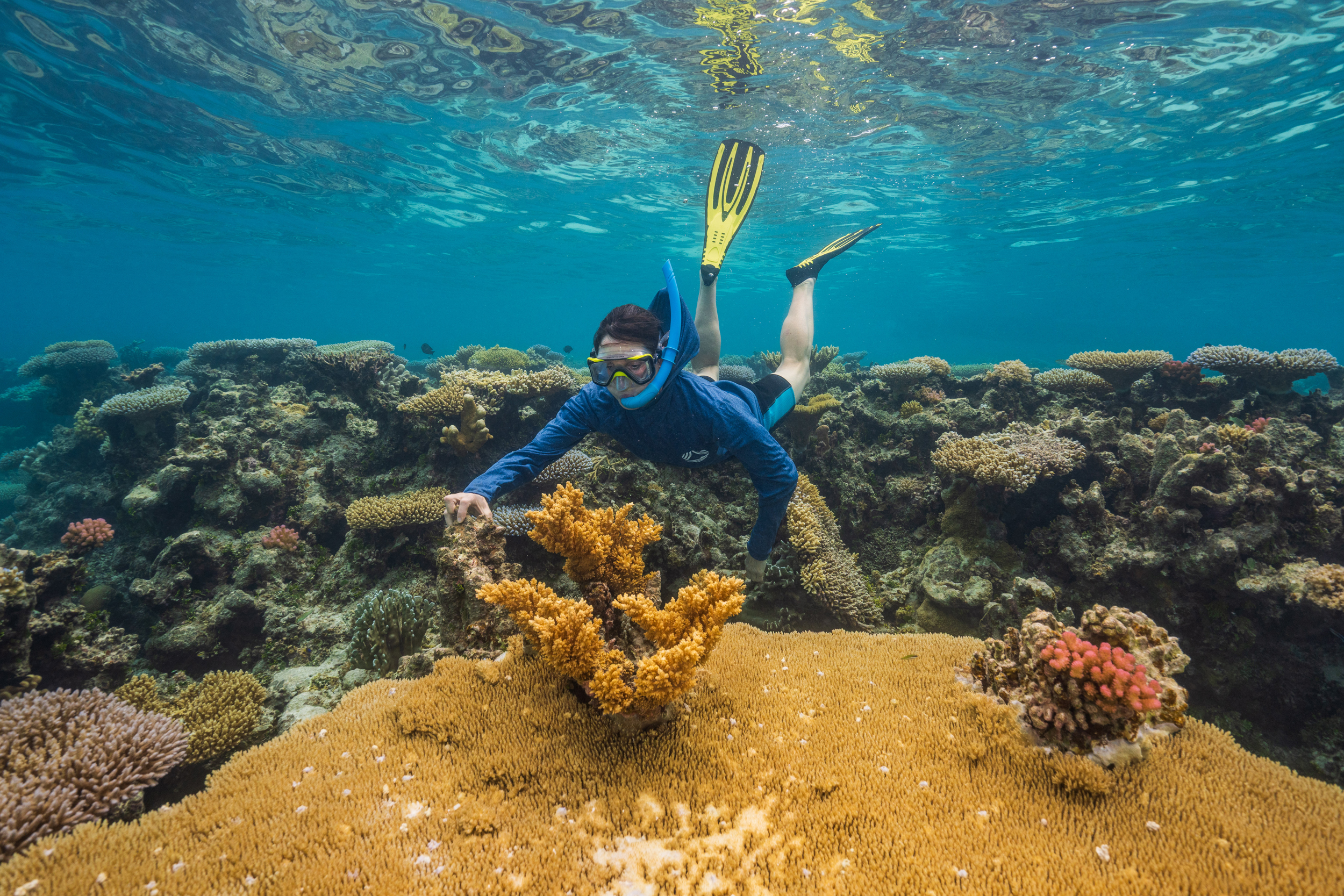
- Cuba's National Aquarium in Havana scientists are freediving to 17 meters, hand-oxygenating fish tanks during blackouts, and building coral substrates from broken clay and leftover telecoms cables to work around US-blockade fuel and equipment shortages.
- A 2023 outbreak of stony coral tissue loss disease (SCTLD) and an intense bleaching event damaged Cuba's reefs for the first time, prompting a new government protection policy; the island had dodged SCTLD longer than other Caribbean nations thanks to limited shipping and agroecological farming.
- National Aquarium researchers have been combining coral fragmentation with assisted reproduction (IVF) since 2019 — a hybrid technique no other organization uses due to its logistical complexity and cost.
- The US oil blockade has slashed fuel for marine patrols, scientist transport, and volunteer mobilization, while a pandemic-driven tourism collapse has pushed some Ciénaga de Zapata residents back to illegal fishing, biologist Eduardo Abrego said.
- An Obama-era US-Cuba bilateral marine conservation agreement has stalled under the current Trump administration, according to Resilient Caribbean initiative director Daniel Whittle, who called the US underinvestment in the environment "extremely misguided and self-defeating."
Why it matters: US fuel sanctions are directly degrading the capacity to protect reefs that anchor a shared Caribbean ecosystem already down 48% in cover since 1980. Cuba's improvised coral-restoration program depends on a thin supply of fuel, volunteer labor, and recycled materials; the blockade cuts all three while pushing Ciénaga de Zapata residents back into illegal fishing inside a UNESCO biosphere reserve.