Woods Hole Scientist Hunts Heat-Resistant Super Reefs
Get the Energy newsletter
Daily energy & climate — solar, EVs, oil, the policy fights and tech bets shaping the transition. Free.
- Anne Cohen, a tenured scientist at Woods Hole Oceanographic Institution, is using an unmanned surface vehicle called Yellowfin in the Majuro lagoon to pinpoint coral reefs that withstood recent record marine heat waves.
- The Super Reefs project, launched by Cohen in 2018 and expanded in 2021 with The Nature Conservancy and Stanford University, targets resilient reef communities in Belize, Hawaii, and the Marshall Islands — all places with existing marine-protection plans.
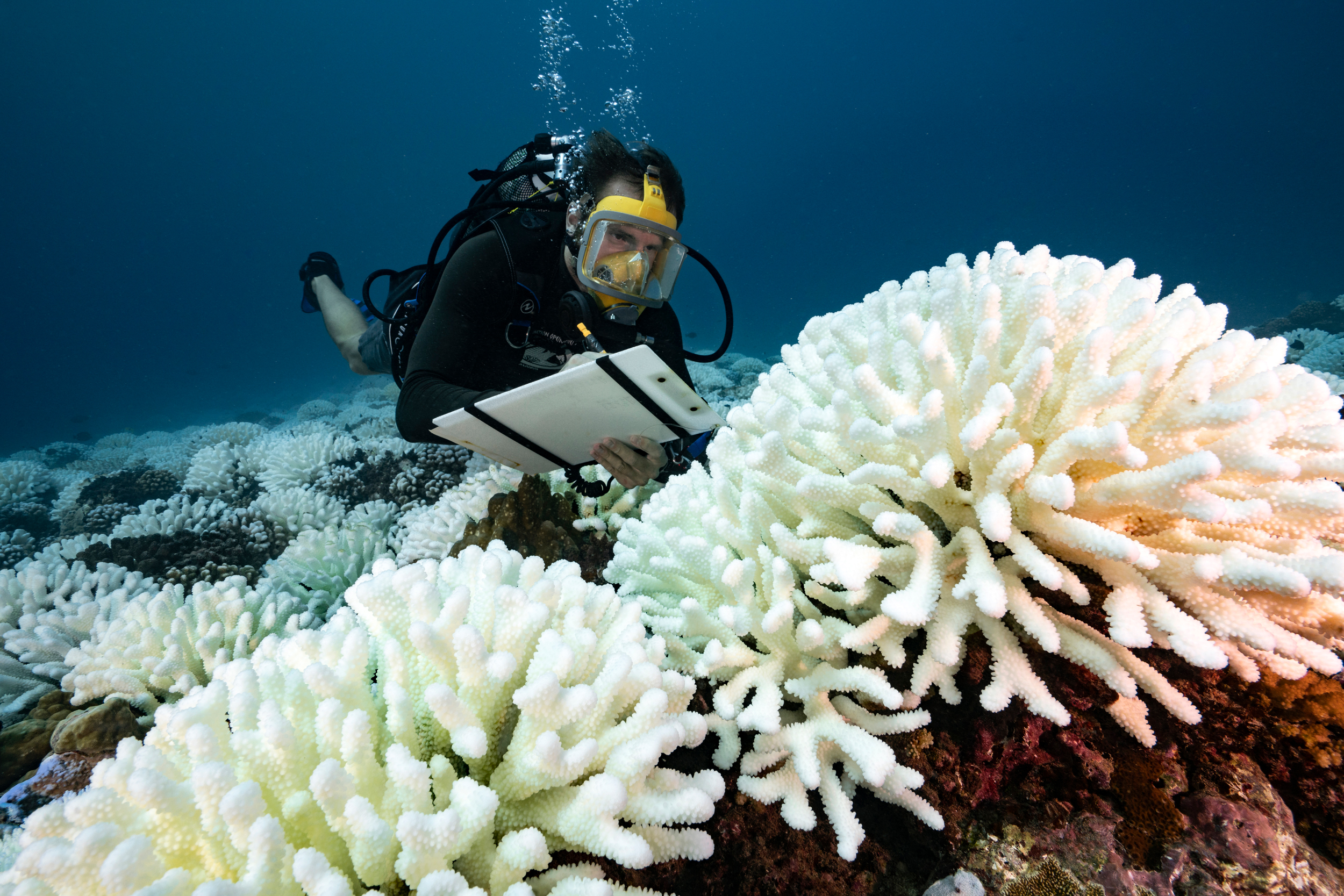
- Since 2023, record-breaking marine heat waves have driven the most severe global coral bleaching event ever recorded, impacting more than 80 percent of the world's reefs across at least 83 countries and territories.
- Cohen defines a true super reef as one with scientifically proven heat resilience — through genetic adaptation or sheltered local conditions — that can also reseed neighboring reefs, a bar that rules out many seemingly lucky survivors.
- She is pitching a 'super reef blue corridor' linking the Marshall Islands, Kiribati, and Tuvalu across millions of square kilometers of ocean, connected by currents that could carry resilient coral offspring to depleted reefs throughout the region.
- Even the hardiest reefs remain vulnerable to non-climate threats — dredging, agricultural runoff, sewage, plastic pollution, bottom trawling, and dynamite fishing — making marine protection a prerequisite, not a bonus, for Cohen's conservation strategy.
- In April, Cohen made her seventh trip to the Marshall Islands to formally pitch the corridor concept and test technology she says could dramatically accelerate the search for super reefs across the Pacific.
Why it matters: With the world having already lost more than half its coral reefs and some scientists warning that 90 percent of tropical reefs could vanish within 25 years, Cohen's project reframes the conservation race: rather than trying to save every reef, scientists are racing to identify and legally shield the rare genetic strongholds that could reseed the rest — but only if governments act before dredging, pollution, or dynamite fishing destroy them first.