Study Maps 64,000 Sq Miles of Climate-Resilient Reefs
Get the Energy newsletter
Daily energy & climate — solar, EVs, oil, the policy fights and tech bets shaping the transition. Free.
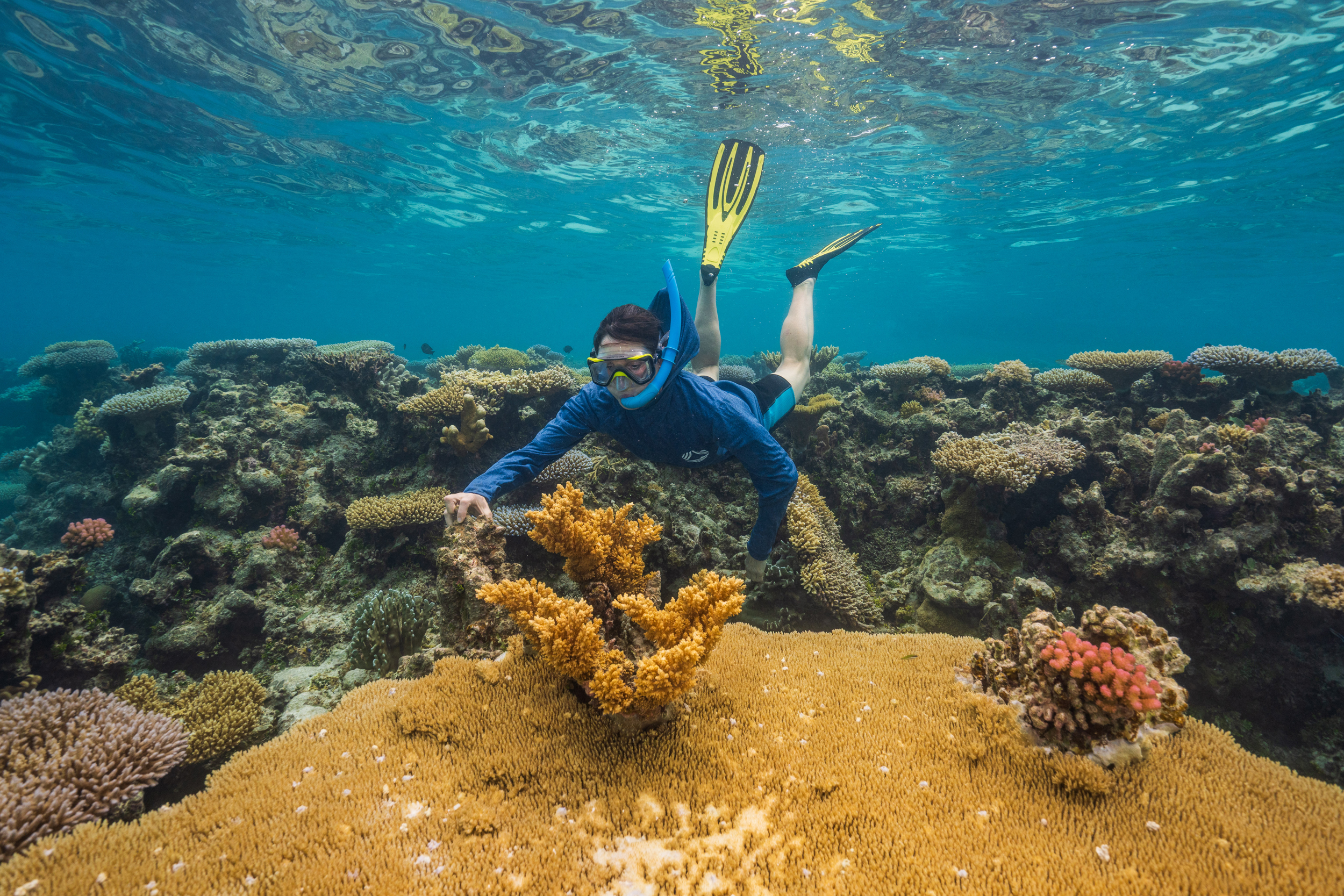
- Wildlife Conservation Society and Macquarie University researchers identified 64,000+ square miles of climate-resilient coral reefs spanning 71 countries and 100 territories, roughly a third of the world's reef systems.
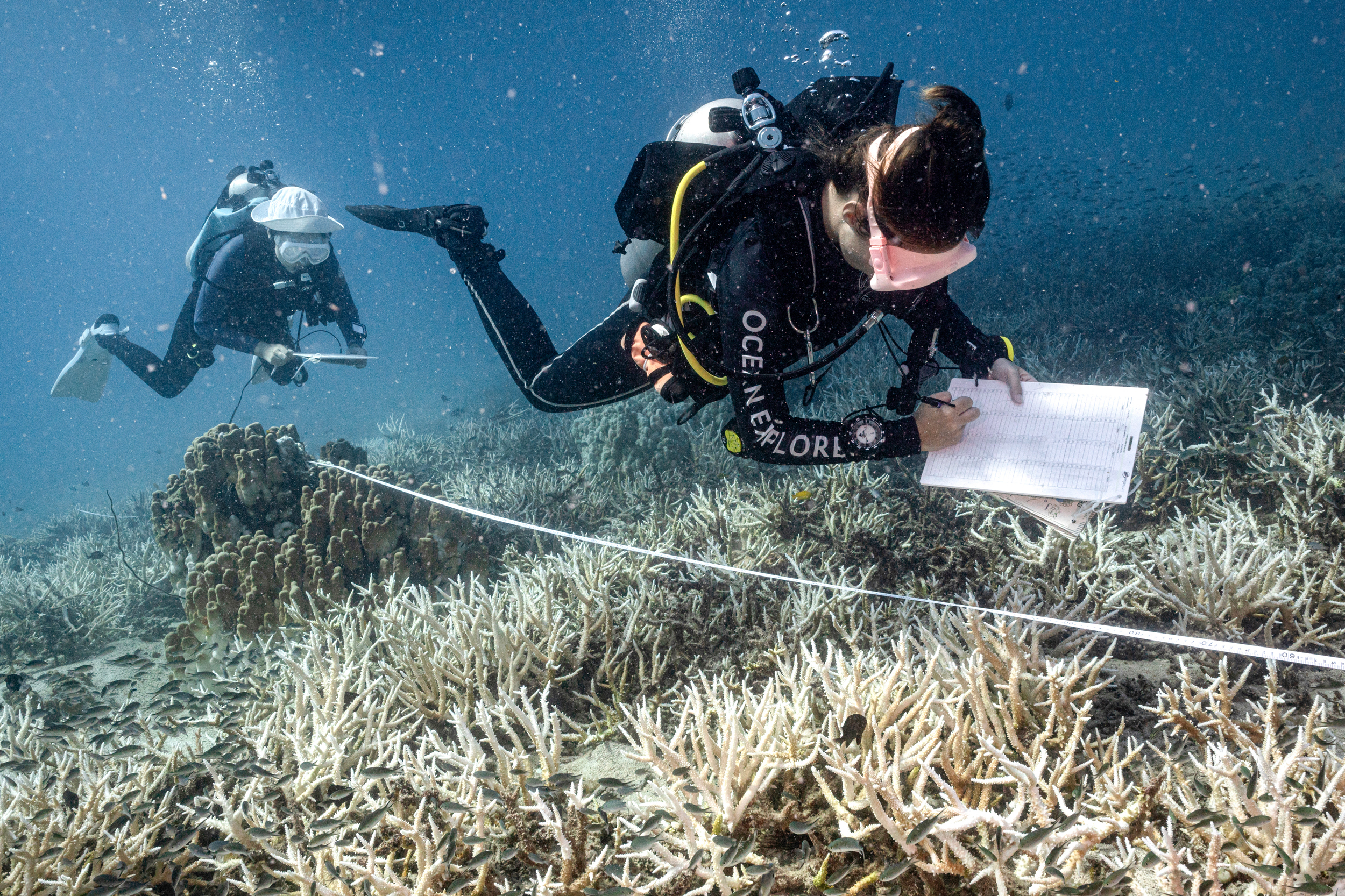
- Emily Darling, WCS director of coral reefs and co-author, said the study shows three times more reefs may survive the climate crisis than previously thought, based on analysis of over 45,000 coral field observations from 1960 to 2025.
- More than half of the identified resilient reefs are concentrated in five countries — Australia, the Bahamas, Cuba, Indonesia and the Philippines — with new areas also flagged in Belize, Panama and the Turks and Caicos Islands.
- Only 28% of the climate-resilient reefs fall within protected or conserved areas, leaving approximately 46,000 square miles vulnerable to agricultural runoff, destructive fishing and poorly managed coastal development.
- Kenya signed the first high-level global commitment to protect climate-resilient coral reefs at the Our Ocean Conference in Mombasa, joining more than a dozen other governments pledging to use the data to prioritize reef conservation.
- The 50 Reefs+ study builds on the original 50 Reefs assessment from 2018, which helped secure more than $100 million in reef conservation funding and now adds reefs across 30 additional countries and 54 territories.
Why it matters: With roughly 72% of the world's identified climate-resilient reefs sitting outside formal protections — about 46,000 square miles — governments now have a specific map and a 2030 deadline under the Kunming-Montreal biodiversity framework to translate this science into binding conservation commitments before bleaching, pollution and coastal development erase those survival opportunities.