AIMS Launches Coral Reef Intervention Risk Database — SkimNews

Get the Health newsletter
Daily health & science — research, biotech, public health, the studies worth knowing. Free.
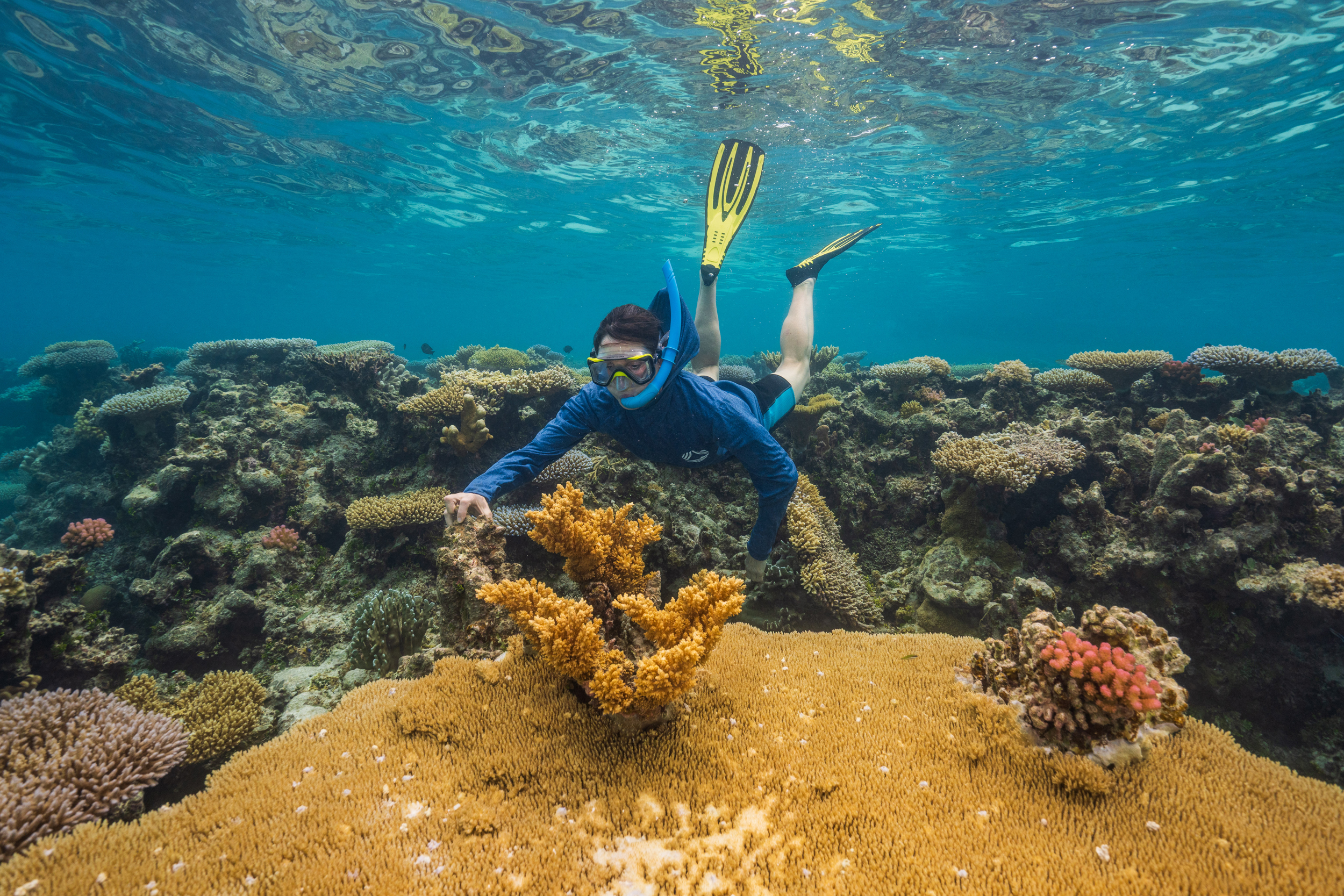
- AIMS developed a database enabling users to identify and explore ecological risks of coral reef interventions, ranging from small-scale coral gardening to assisted evolution, where corals and their symbiont algae are made more heat-tolerant by accelerating evolutionary processes.
- The database is detailed in a new paper published in Restoration Ecology (2026, DOI: 10.1111/rec.70363) that categorizes and defines ecological risks associated with active reef interventions, finding that what may be acceptable in one region could pose higher risks in another.
- Dr. Rachel Pears, senior author from AIMS, said the findings reinforce the need for a "context-specific approach to intervention risk management" and that the tool can assist managers in evaluating interventions within their specific environmental and regulatory frameworks.
- In the Caribbean, coral gardening is considered relatively high risk due to existing genetic bottlenecks and limited diversity within reef populations, while assisted evolution approaches may be viewed as less risky given the urgent threat of complete coral loss in some areas.
- In Australia, reefs generally have higher genetic diversity, making coral gardening less contentious, but greater scrutiny is placed on assisted evolution, where many uncertainties remain about real-world performance, requiring careful assessment before scaled deployment.
- Lead author Dr. Nicholas Hammerman said AIMS is supporting "responsible innovation" and that while risk assessments have been done on interventions before, this approach facilitates more comprehensive assessments and helps guide users to relevant scientific literature.
Why it matters: Reef managers worldwide now have a structured tool to weigh ecological risks before scaling interventions. The core insight: what counts as acceptable in Australia (high genetic diversity, assisted evolution scrutinized) may be far too risky in the Caribbean (genetic bottlenecks, coral gardening flagged), demanding region-specific frameworks as climate change accelerates reef loss timelines.
Ask SkimNews