Scientists Outplant 'Flonduran' Corals in Dry Tortugas
Get the Energy newsletter
Daily energy & climate — solar, EVs, oil, the policy fights and tech bets shaping the transition. Free.
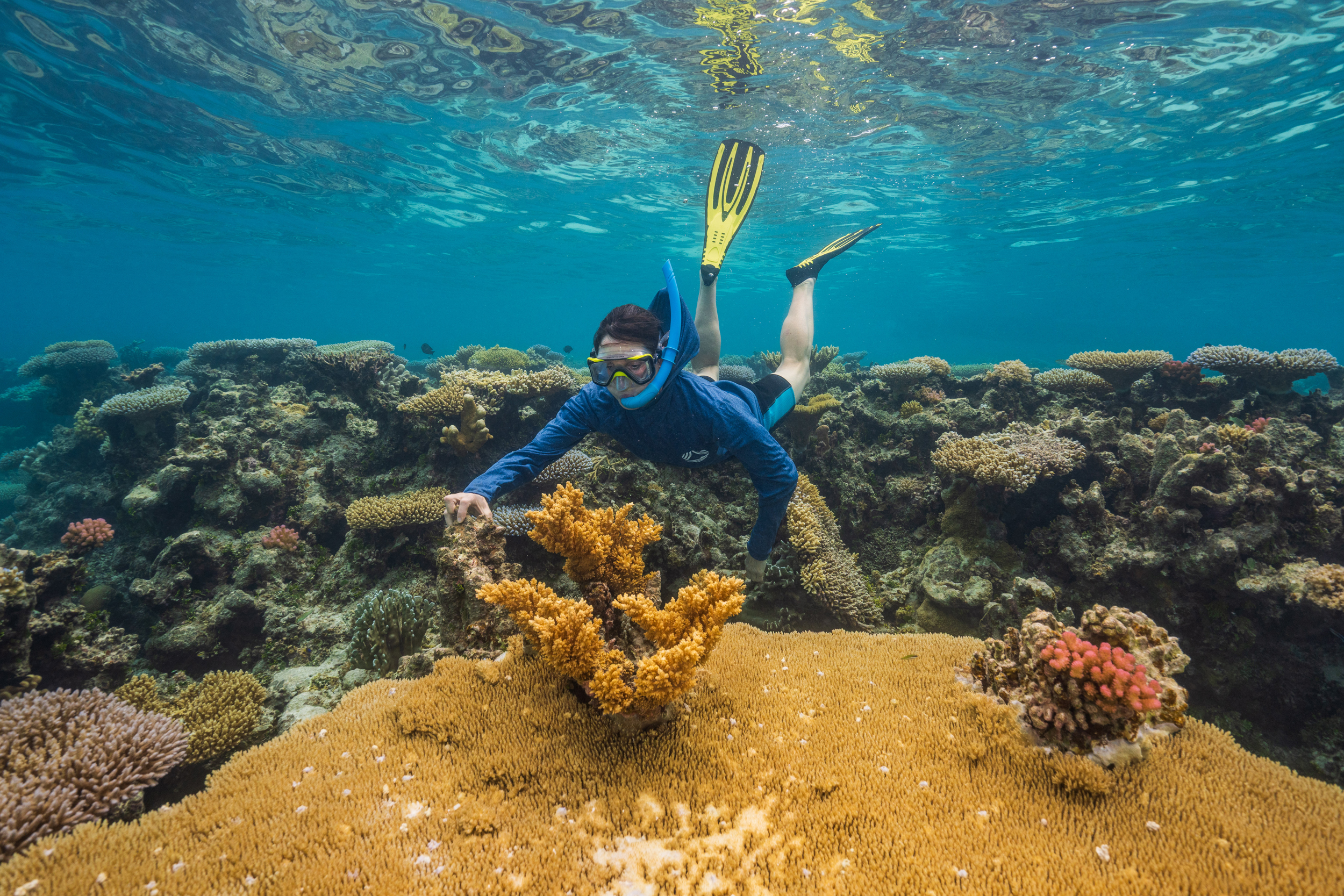
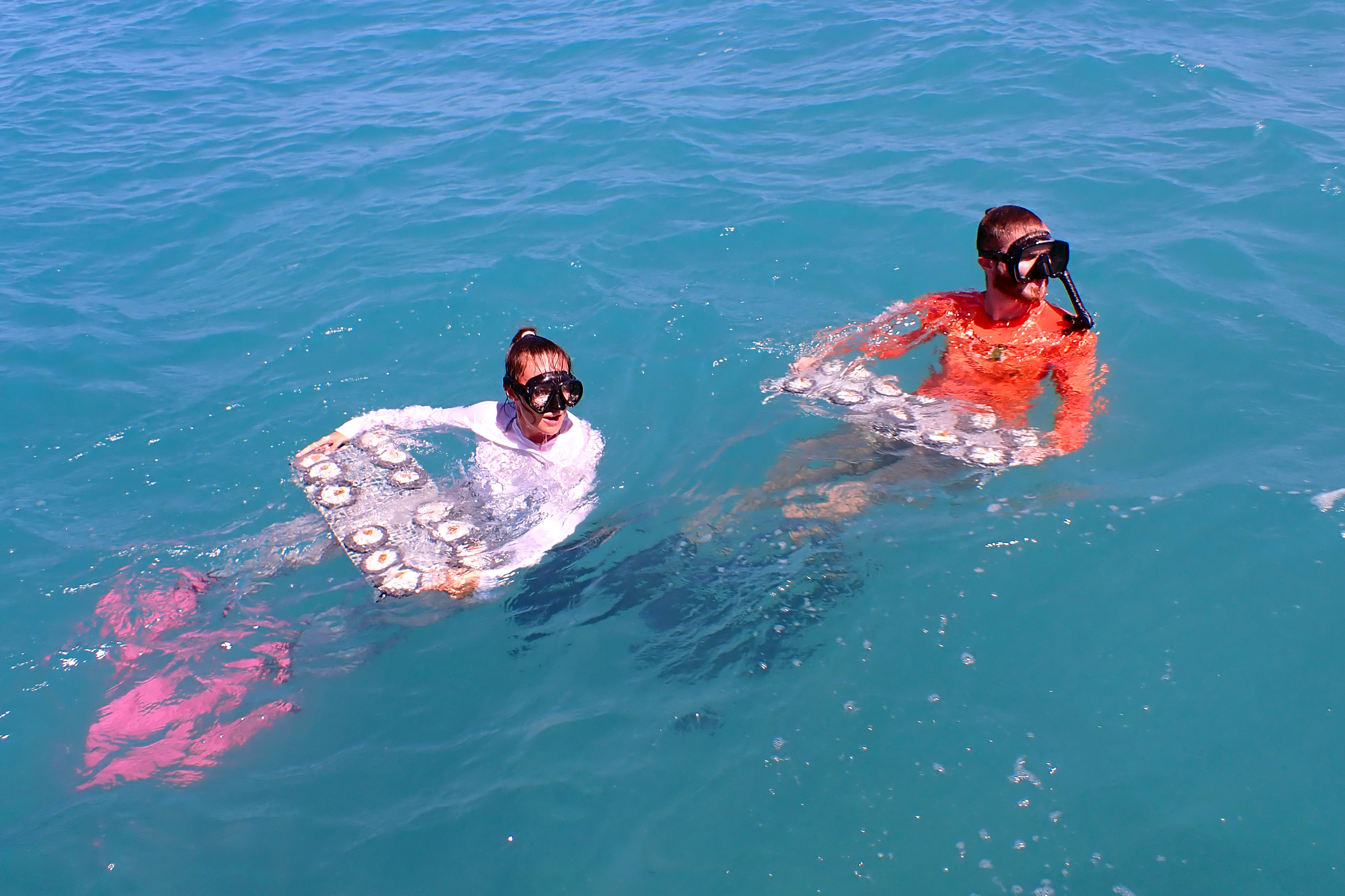
- Scientists outplanted nearly three dozen lab-grown elkhorn corals in Florida's Dry Tortugas National Park in April, including experimental 'Flondurans' — the first cross-breed of Florida and Honduran elkhorn corals ever introduced to the remote park roughly 70 miles from Key West.
- Andrew Baker of the University of Miami's Coral Reef Futures Lab sourced parent colonies from Tela Bay, Honduras, where a so-called 'rebel reef' hosts elkhorn corals thriving in unusually warm, polluted waters tainted by oil-palm agricultural runoff.
- The Florida Aquarium partnered with the University of Miami to perform the first U.S. cross-country elkhorn breeding, fertilizing Florida eggs with Honduran sperm in lab tanks to produce the first-generation 'Flondurans' now being field-tested.
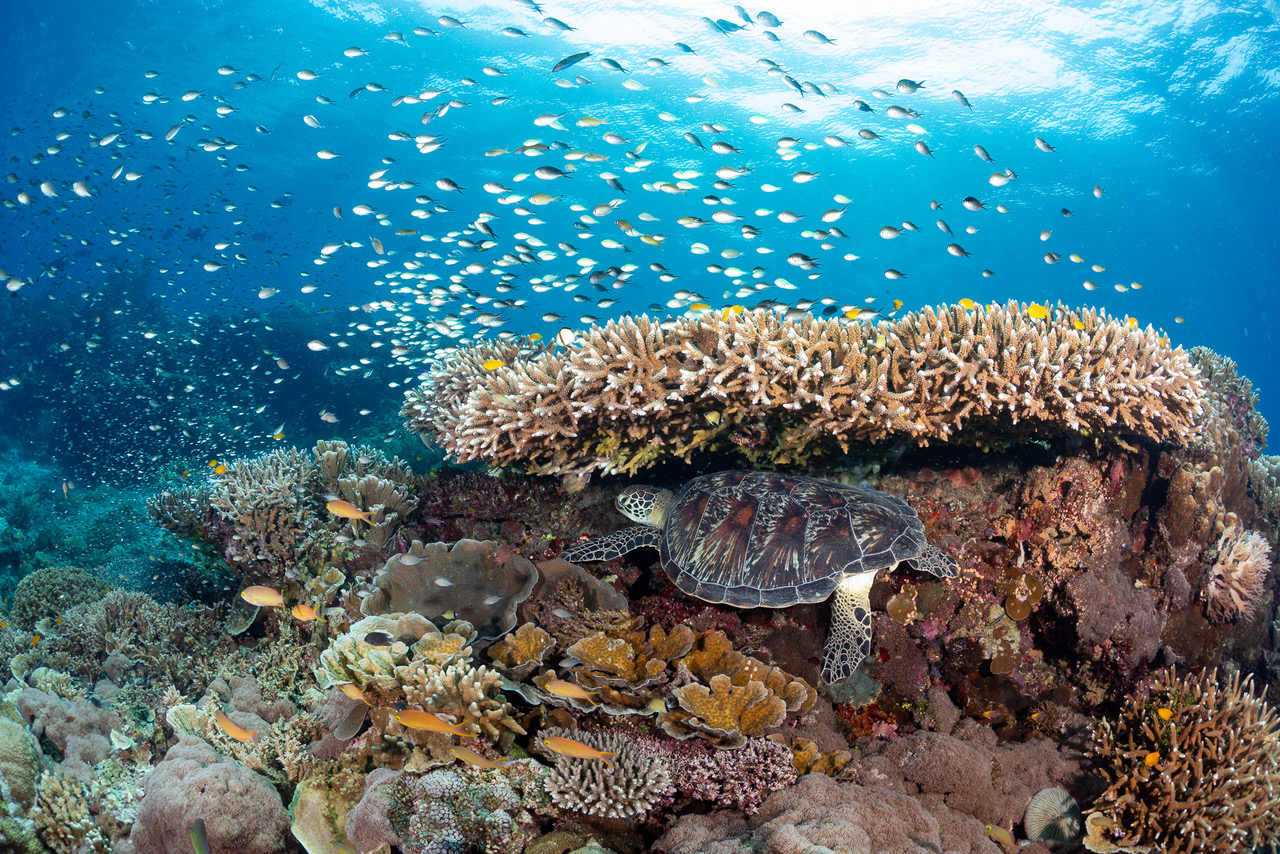
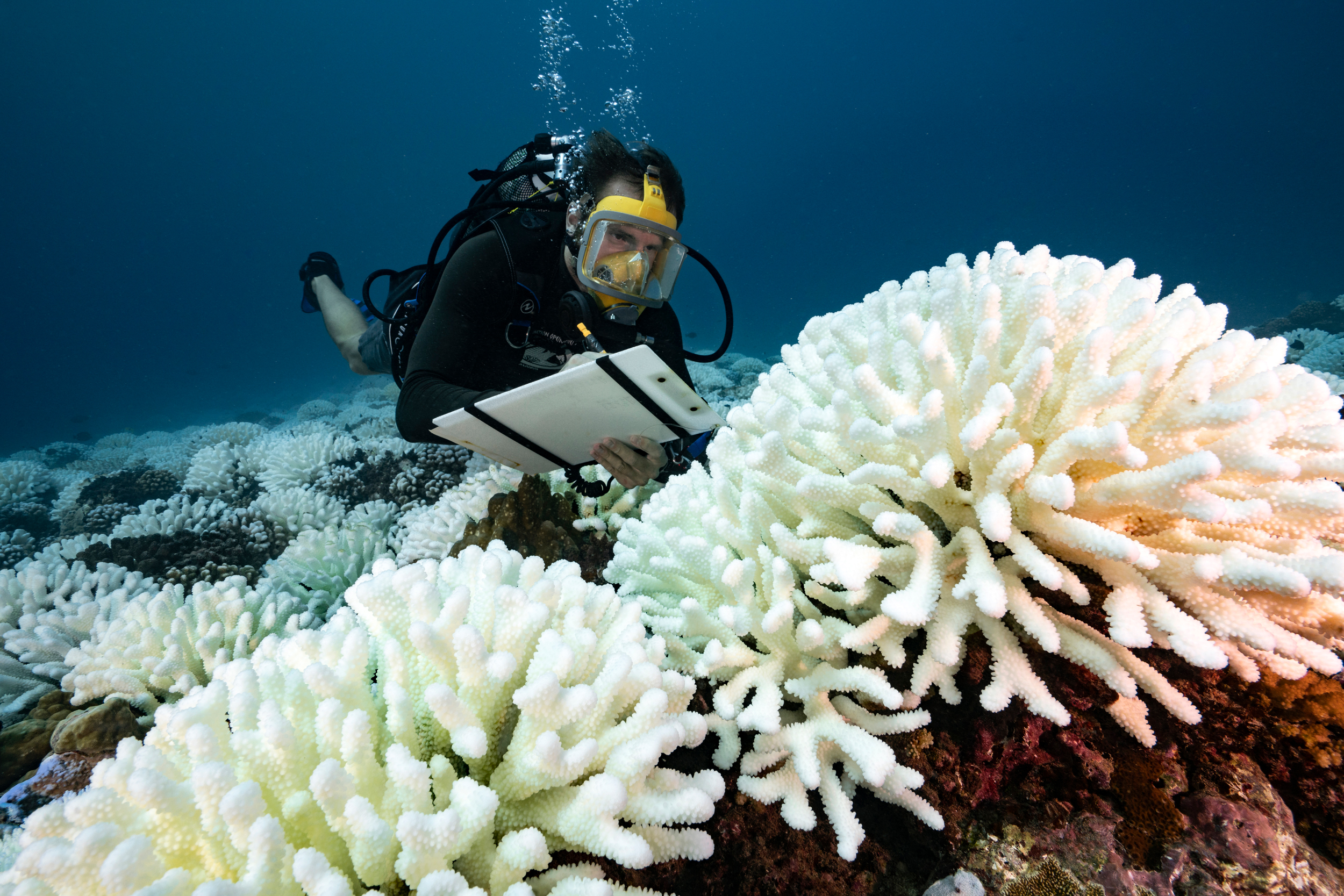
- The 2023 marine heatwave triggered a mass bleaching event that wiped out nearly every elkhorn colony on Florida's reefs, leading scientists to declare elkhorn corals functionally extinct in the Florida Keys and Dry Tortugas — too few reproductively active colonies remain to sustain the species naturally.
- Bailey Marquardt's team attached two-year-old corals — half Flondurans, half pure-Floridian crosses — side by side on cinder blocks at multiple Dry Tortugas reef sites, with monitoring planned through a forecast hot summer to compare heat tolerance.
- Prior outplanting of 35 Flonduran babies off Key Biscayne last year appears to be succeeding, and Marquardt aims to plant at least 300 more elkhorn colonies across Florida this year, building a dataset to identify which source populations should drive future breeding.
Why it matters: With Florida's elkhorn corals now functionally extinct, the $0-cost insurance policy of natural reproduction is gone — every surviving colony is the result of deliberate human intervention. If the Flondurans outperform pure-Floridian crosses in Dry Tortugas this summer, the University of Miami and Florida Aquarium will have a repeatable playbook for buying reef-building species time against accelerating heat waves.