Westlake Platform Yields Fast Covalent Protein Drugs — SkimNews

Get the Health newsletter
Daily health & science — research, biotech, public health, the studies worth knowing. Free.
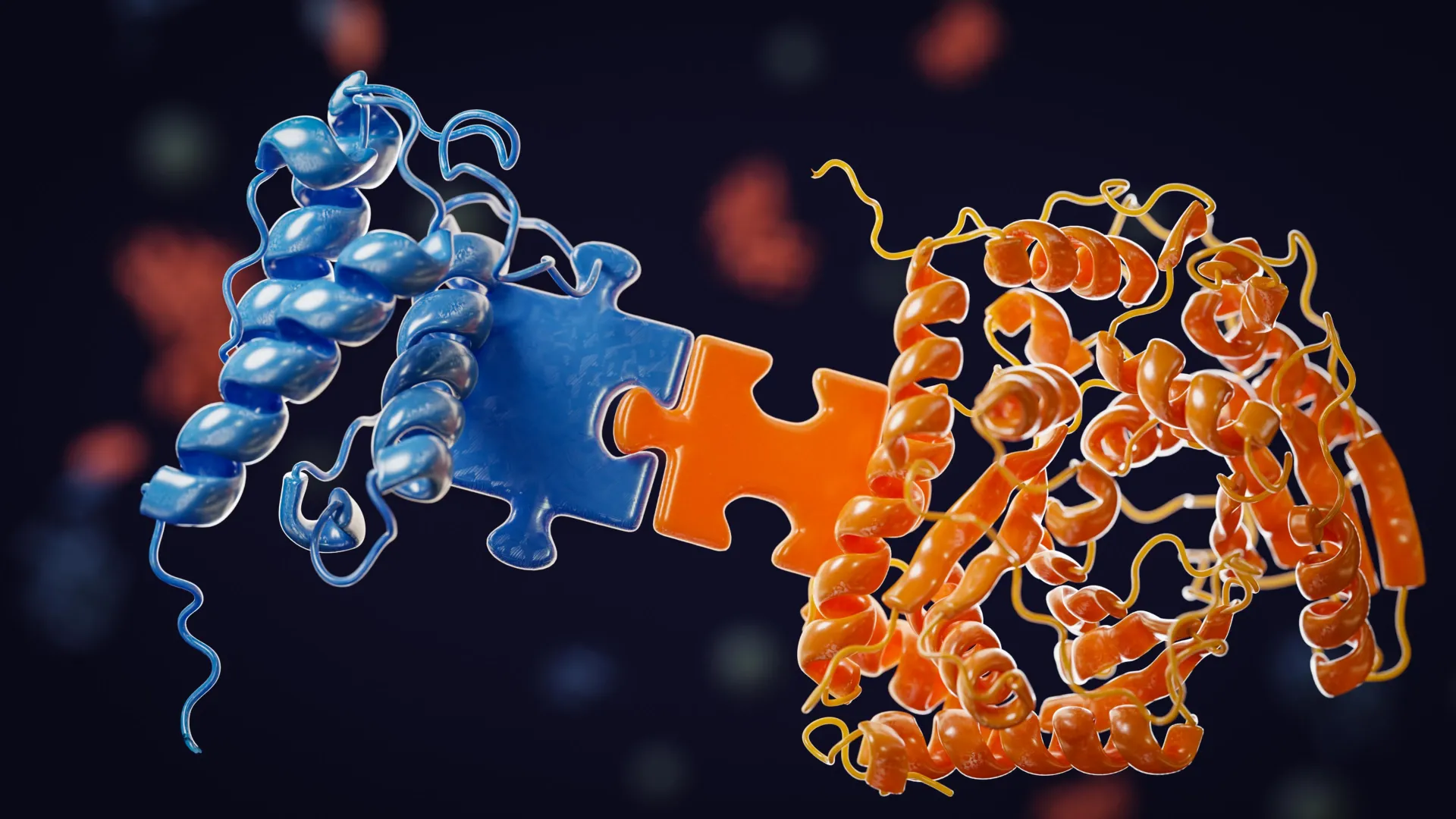
- Westlake University/Westlake Laboratory led by Bobo Dang and Ting Zhou built a high‑throughput platform that couples yeast surface display with chemoselective modification to screen millions of protein variants and crosslinkers.
- Platform leverages precise spatial positioning of chemical warheads within protein scaffolds to pre‑organize molecules, accelerating covalent bond formation without raising intrinsic reactivity.
- IB101 is a covalent PD‑L1 antagonist that forms a defined binding pocket positioning its warhead for rapid covalent engagement, blocking the PD‑1/PD‑L1 pathway and showing strong antitumor activity in mice despite a short half‑life.
- IB201 is a covalent IL‑18 variant that rapidly forms a covalent bond with its receptor, boosting signaling strength and duration, and inducing potent antitumor immune responses without detectable systemic toxicity in vivo.
- Covalent SARS‑CoV‑2 inhibitor targeting the spike RBD was generated with the same platform, achieving durable viral neutralization and demonstrating the method’s versatility across therapeutic modalities.
- Science published the study (2026) (DOI: 10.1126/science.adv3081), establishing a general strategy for fast‑acting covalent protein therapeutics that overcomes the kinetic mismatch between rapid clearance and slow covalent bond formation.
Why it matters: Cancer immunotherapy developers gain a new class of fast‑acting covalent biologics that achieve durable tumor suppression even with rapid clearance, outperforming conventional antibody therapies; cytokine and antiviral developers also gain tools for stronger, longer signaling without added toxicity.
Ask SkimNews