Study Finds Two Biologically Distinct Autism Subtypes

Get the Health newsletter
Daily health & science — research, biotech, public health, the studies worth knowing. Free.
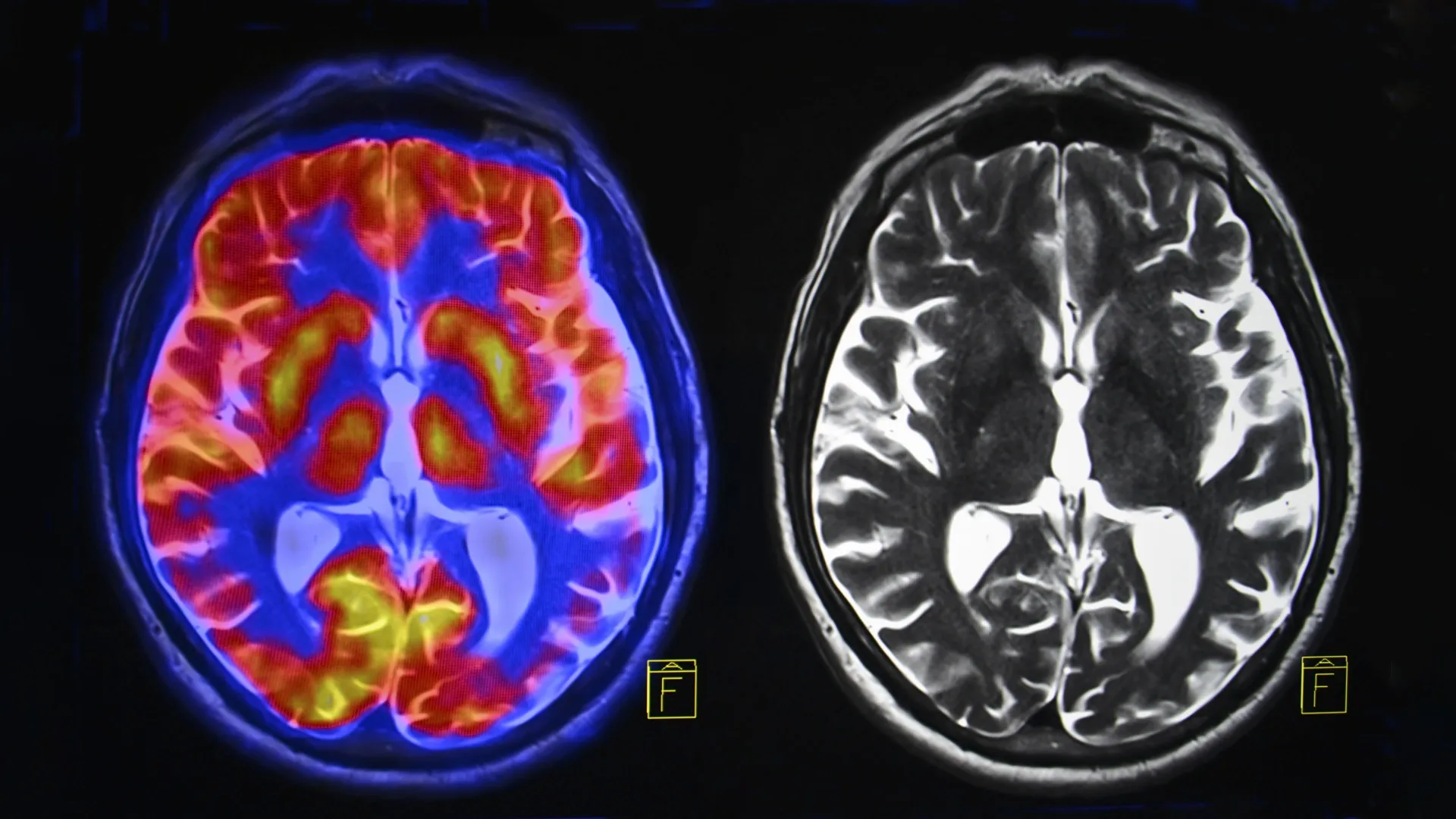
- Alessandro Gozzi at the Italian Institute of Technology led a study published in Nature Neuroscience that identified two biologically distinct connectivity subtypes of autism using fMRI in both mice and humans.
- Mouse experiments scanned 20 strains carrying different autism-associated gene mutations; 11 strains showed hypoconnectivity between brain regions and 9 showed hyperconnectivity, each linked to different protein-interaction networks.
- Hypoconnected mouse brains were tied to genes interacting with synaptic proteins, while hyperconnected brains were tied to genes interacting with gene-regulation and immune-system proteins — evidence the two subtypes have distinct underlying biology.
- Human fMRI data from 940 autistic people and 1,036 age-matched controls found 24% had hypoconnectivity and 17% had hyperconnectivity, but 59% fit neither pattern.
- Gozzi emphasized the study does not claim autism has only two subtypes, calling them 'two dominant, biologically distinct' categories detectable with this approach.
- Natalie Sauerwald at the Flatiron Institute said the work helps explain autism's heterogeneity but cautioned that the chosen genes are also linked to developmental delay, meaning the findings may not apply to autistic people without that co-occurrence.
Why it matters: Gozzi's team links brain connectivity differences directly to distinct molecular mechanisms — synaptic proteins versus immune/gene-regulation proteins — in roughly 41% of the autistic people scanned, giving researchers a concrete biological handle on autism's heterogeneity that decades of single-signature fMRI studies failed to produce.