How Trump and Xi went from tariff war to trade truce — SkimNews
Get the Geopolitics newsletter
Daily geopolitics — wars, elections, sanctions, the diplomatic moves that move markets. Free.
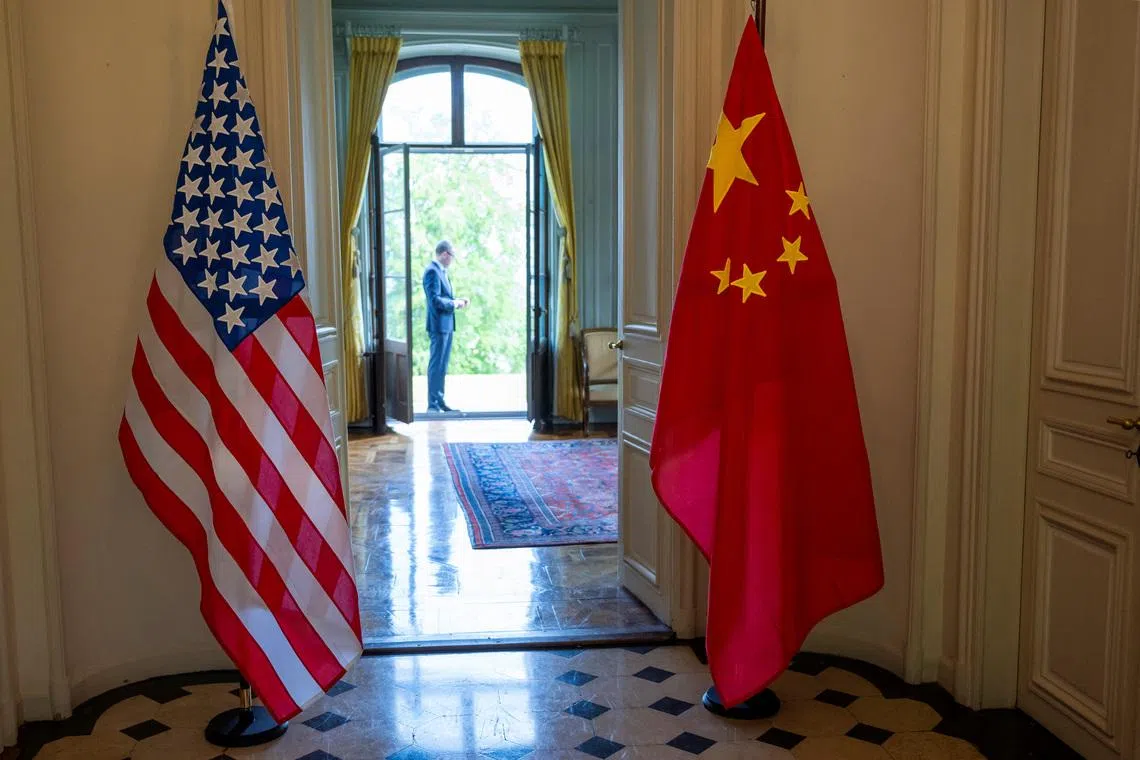
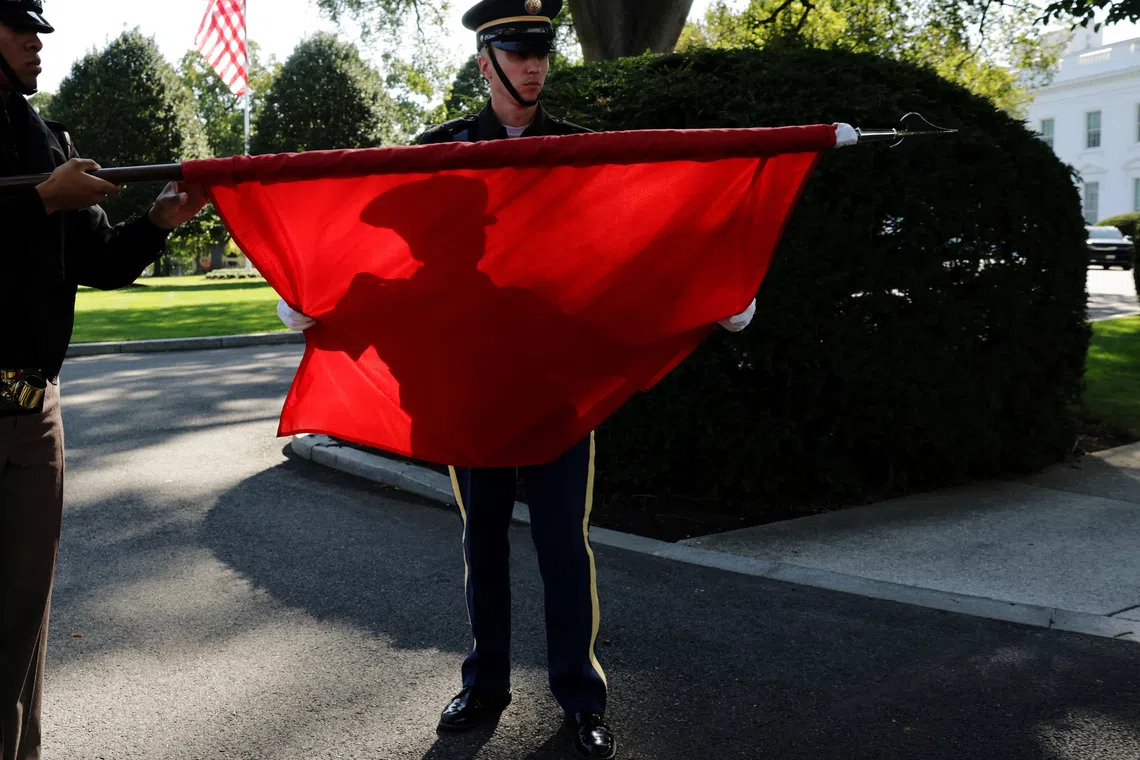
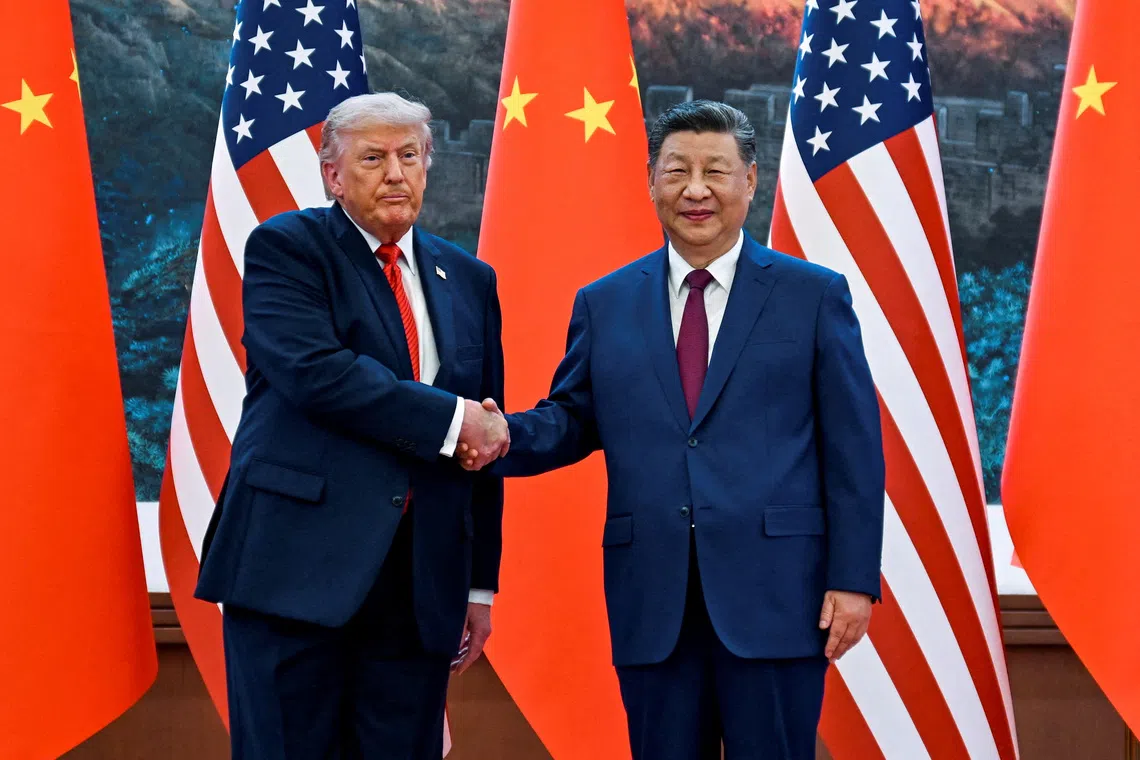
- Xi Jinping is set to meet Donald Trump at the White House on September 24 for talks aimed at extending a fragile trade truce due to expire in November 2026, with both sides tempering expectations for breakthroughs.
- Trump imposed a 10% duty on Chinese goods in February 2025 over fentanyl concerns, prompting China to retaliate with levies on US coal, LNG, crude oil, autos and export curbs on five metals key to defense and clean energy.
- By April 2025, Liberation Day tariffs sparked rapid escalation: US duties on China climbed to 84% then 125%, with Beijing matching at 125% before Geneva talks in May 2025 cut US tariffs to 30% (from 145%) and China's to 10% (from 125%) during a 90-day pause extended in August.
- In October 2025, China widened rare-earth export controls, triggering Trump's additional 100% tariff and software export curbs — but the two leaders later struck a truce in South Korea with Beijing agreeing to crack down on fentanyl precursors, resume soybean purchases and pause rare-earth controls.
- The US Supreme Court ruled in February 2026 against Trump's emergency tariffs, striking down the China fentanyl tariffs and the reciprocal tariff regime, forcing Trump to impose a temporary 10% global duty under a different statute.
- At Trump's May 2026 Beijing summit with Xi, both sides announced new Boards of Trade and Investment with China agreeing to purchase Boeing jets and US farm products, though July 2026 brought new 12.5% US tariffs on 60 trading partners including China over forced-labor allegations.
- The trade truce expires in November 2026, making the September 24 summit the key checkpoint investors and analysts are watching for signs of an extension.
Why it matters: The November 2026 truce expiration is the hard deadline driving the September 24 meeting, with stakes for $21 billion in US agriculture exports previously hit by Chinese retaliation, Boeing's order book, and soybean farmers whose purchases Beijing resumed under the October 2025 deal. The February 2026 Supreme Court ruling stripped Trump of his primary tariff authority, forcing reliance on contested alternative powers and reshaping his leverage going into the summit.
Ask SkimNews