Kim commissions Kang Kon, targets blue-water navy — SkimNews

Get the Geopolitics newsletter
Daily geopolitics — wars, elections, sanctions, the diplomatic moves that move markets. Free.
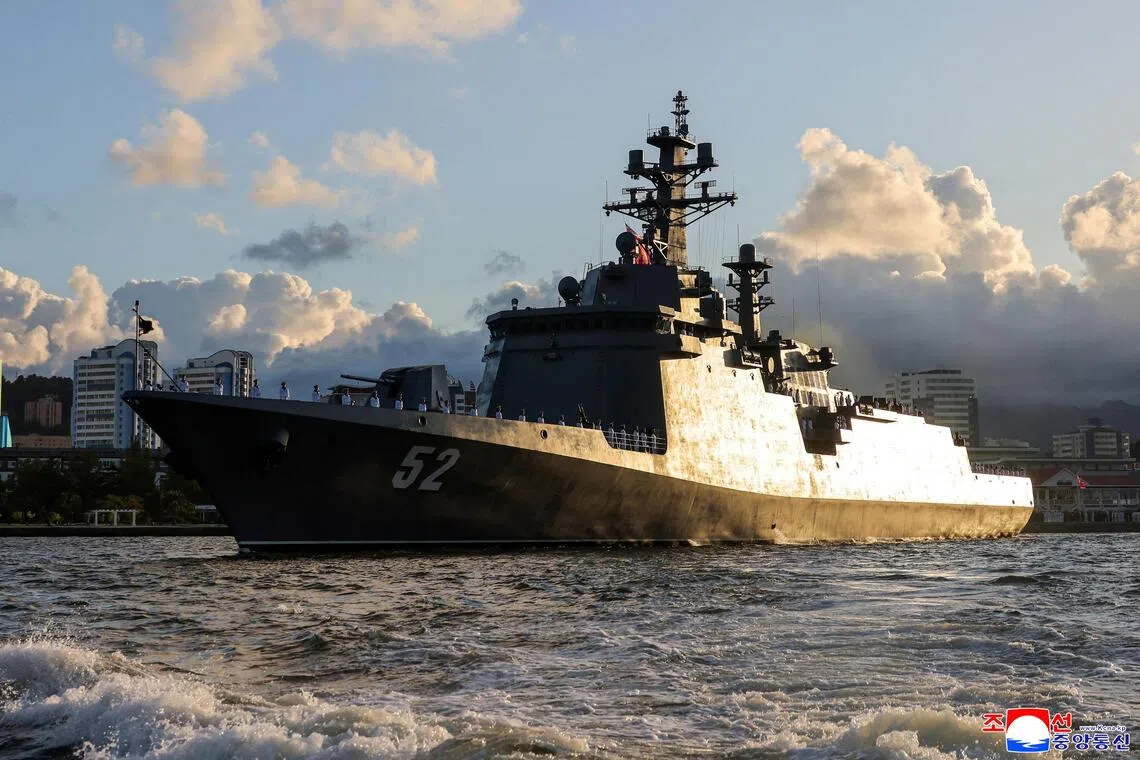
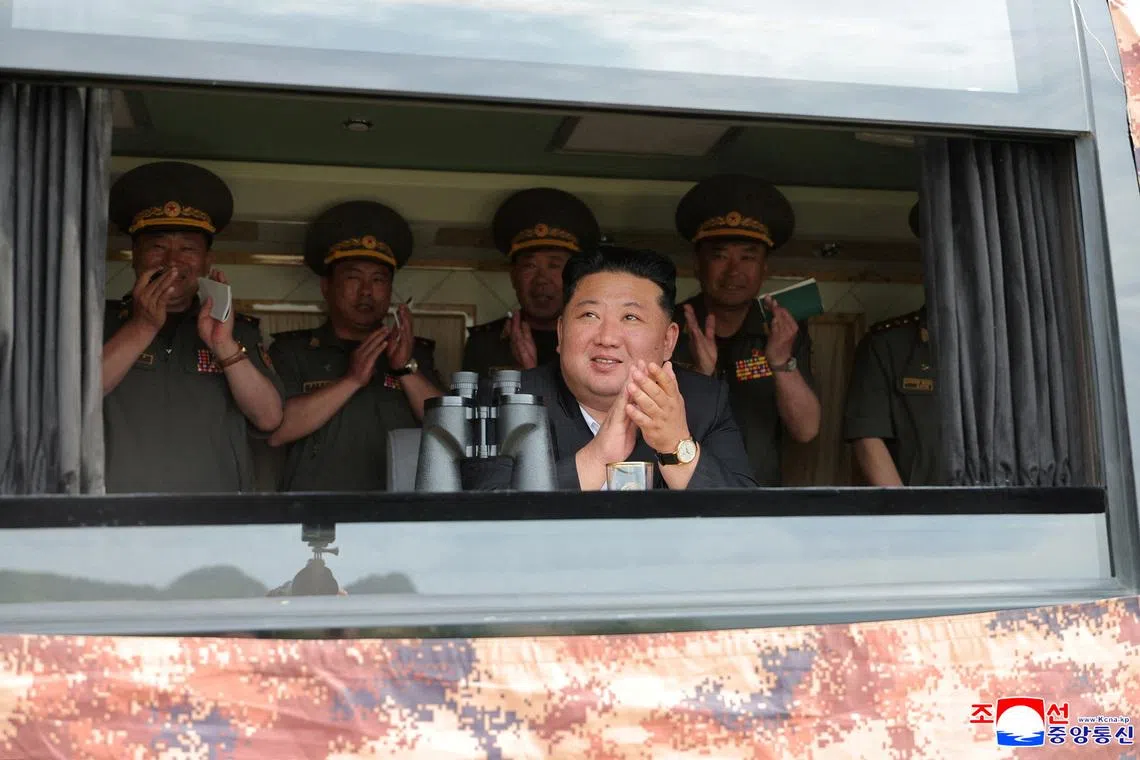
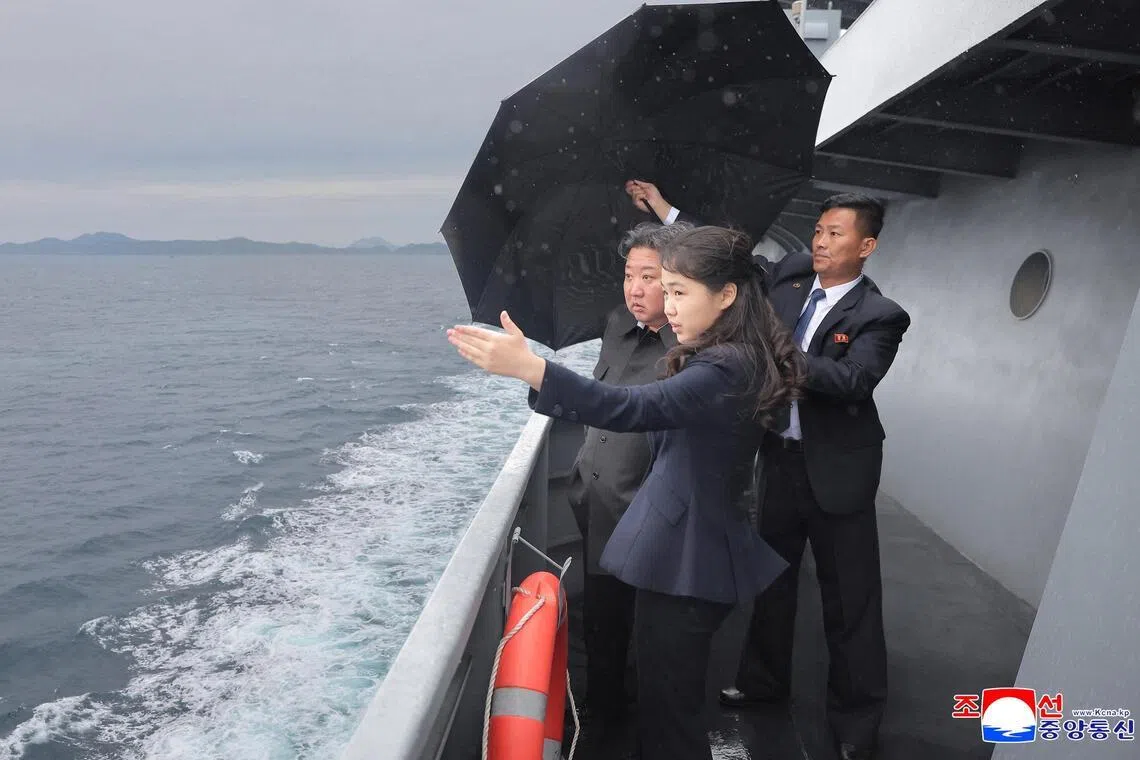
- Kim Jong Un commissioned the 5,000-ton Kang Kon at Wonsan on September 6 — North Korea's second Choe Hyon-class guided-missile destroyer — integrating it into the state nuclear response system after the vessel capsized during its May 2025 launch at Chongjin Shipyard from a sliding-mechanism failure.
- The 145-meter Choe Hyon-class fields up to 104 missiles across 88 VLS cells with fixed phased-array radars and Russian-design point-defense systems, but trails South Korea's Sejong the Great-class destroyers — 10,000 tons, Aegis SPY-1D radars and 128 VLS cells carrying SM-2, Hyunmoo-III and Red Shark missiles.
- Kim Jong Un pledged additional naval expansions within eight months — including larger cruisers and nuclear-powered submarines — positioning the Kang Kon as a stopgap sea-based nuclear delivery platform while nuclear-submarine programs grapple with propulsion and acoustic quieting challenges.
- Deployment to the East Sea Fleet may operationalize North Korea's "hostile two-state doctrine," declared in December 2023, which abandoned unification as the organizing principle and reframed inter-Korean relations as belligerent ties between separate states.
- A June 2026 US Congressional Research Service report documented Chinese-Russian high-end naval drills in the Sea of Japan — including Joint Sea, Northern/Interaction 2024, and Ocean 2024 — and noted North Korea sent observers to Ocean 2024 in December of that year, a potential precursor to trilateral exercises.
- Trilateral naval coordination faces structural barriers: China fears entrapment in North Korean nuclear brinkmanship and Russia's Ukraine war; North Korea's Juche self-reliance doctrine and concerns of domination by larger powers conflict with formal alliance; Russia remains wary of China's growing economic influence in Central Asia and the Russian Far East.
Why it matters: The Kang Kon gives North Korea a credible interim sea-based nuclear platform — outclassed by South Korea's 10,000-ton Sejong the Great-class destroyers but operationally sufficient to complicate US-South Korea-Japan naval planning and enable future participation in Chinese-Russian Sea of Japan drills, adding a third axis to existing bilateral exercises.
Ask SkimNews