Kim Commissions Kang Kon Destroyer Into Nuclear Force — SkimNews

Get the Geopolitics newsletter
Daily geopolitics — wars, elections, sanctions, the diplomatic moves that move markets. Free.
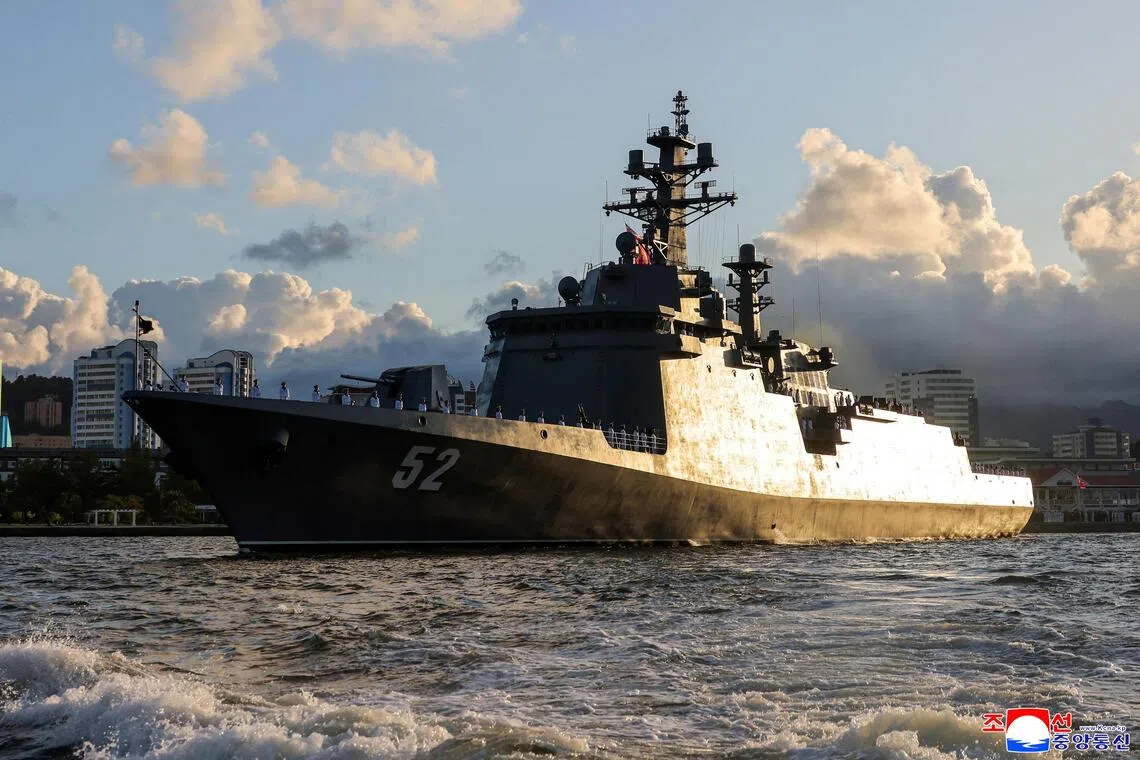
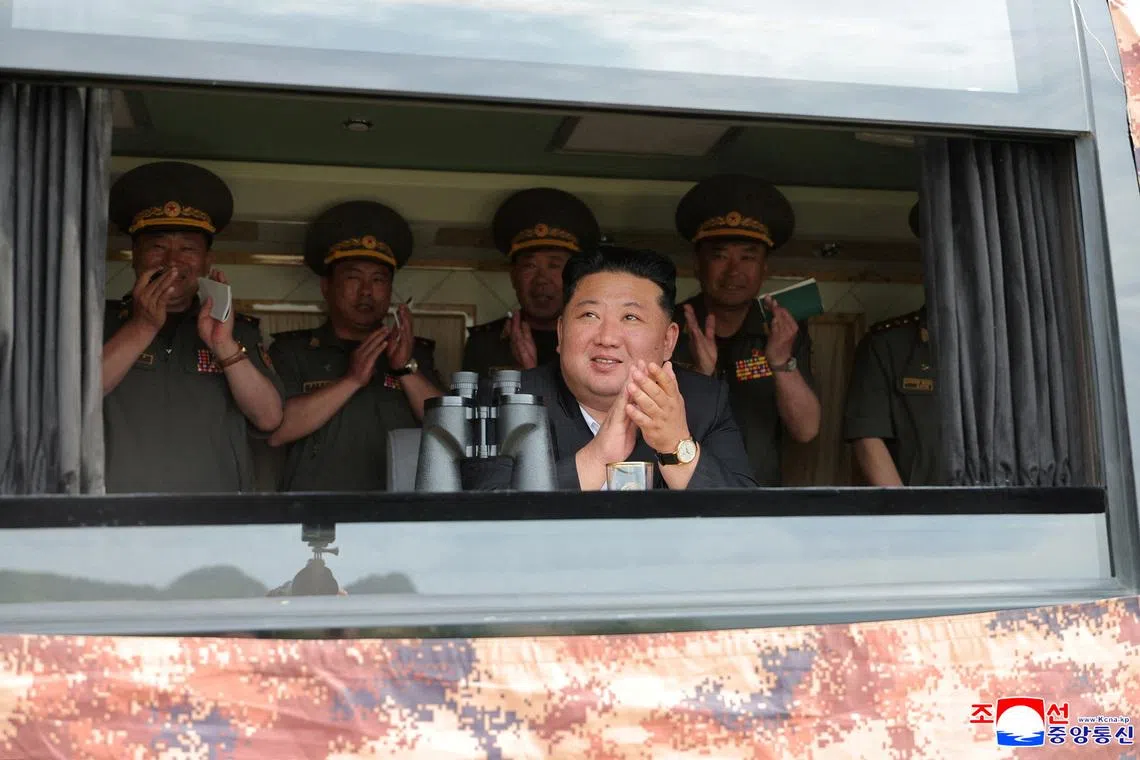
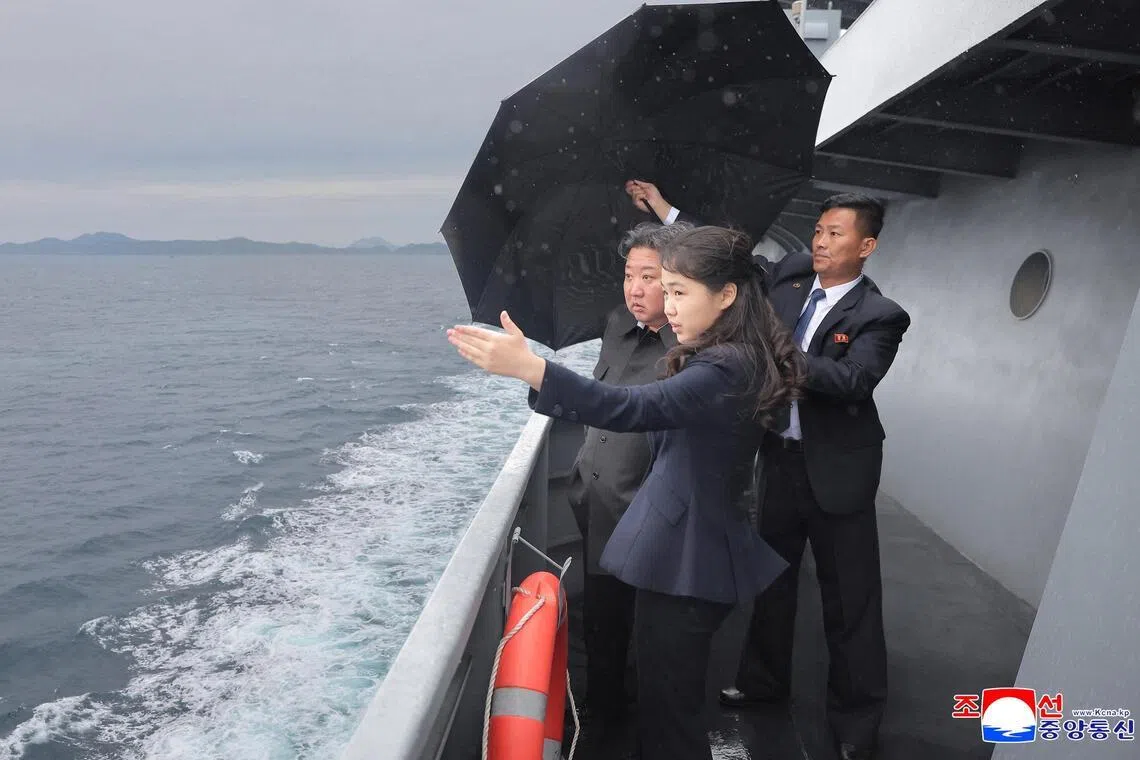
- Kim Jong Un commissioned the Kang Kon, North Korea's second modern guided-missile destroyer, at the eastern port of Wonsan on September 6, integrating the vessel into the state nuclear response system, accompanied by his daughter Kim Ju Ae.
- The Kang Kon is a 5,000-ton, 145-meter Choe Hyon-class warship carrying up to 104 missiles across 88 vertical launch system cells, fixed phased-array radars and Russian-design point-defense systems — but it capsized at Chongjin Shipyard during its initial May 2025 launch due to a sliding-mechanism failure.
- South Korea's Sejong the Great-class destroyers outclass the Choe Hyon-class, with 165-meter hulls displacing up to 10,000 tons, Aegis SPY-1D radars and up to 128 VLS cells carrying SM-2, Hyunmoo-III and Red Shark anti-submarine missiles.
- Kim Jong Un pledged to unveil further naval expansions within eight months, including larger cruisers and nuclear-powered submarines, framing the Kang Kon as an interim sea-based nuclear delivery platform while the nuclear-submarine program grapples with propulsion and acoustic challenges.
- North Korea's deployment reflects Kim's December 2023 "hostile two-state doctrine," which dismantled decades of reunification policy and recasts inter-Korean relations as belligerent ties — allowing Pyongyang to frame its naval posture regionally rather than purely peninsulary.
- North Korea sent observers to Ocean 2024 in December 2024, a major China-Russia naval drill in the Sea of Japan that included strategic passages through Japanese straits and unprecedented combined submarine patrols, hinting at future trilateral exercise participation against the US-led regional alliance.
Why it matters: The Kang Kon's commissioning — just months after its May 2025 launch capsized — gives North Korea a credible sea-based nuclear delivery platform roughly half the size of South Korea's leading destroyers, and its presence in the Sea of Japan alongside China-Russia drills forces US, Japanese and South Korean naval planners to account for a third coordinated actor in waters they have long dominated.
Ask SkimNews