Trump Beijing Trip Delayed, China Eyes Midterms — SkimNews

Get the Geopolitics newsletter
Daily geopolitics — wars, elections, sanctions, the diplomatic moves that move markets. Free.
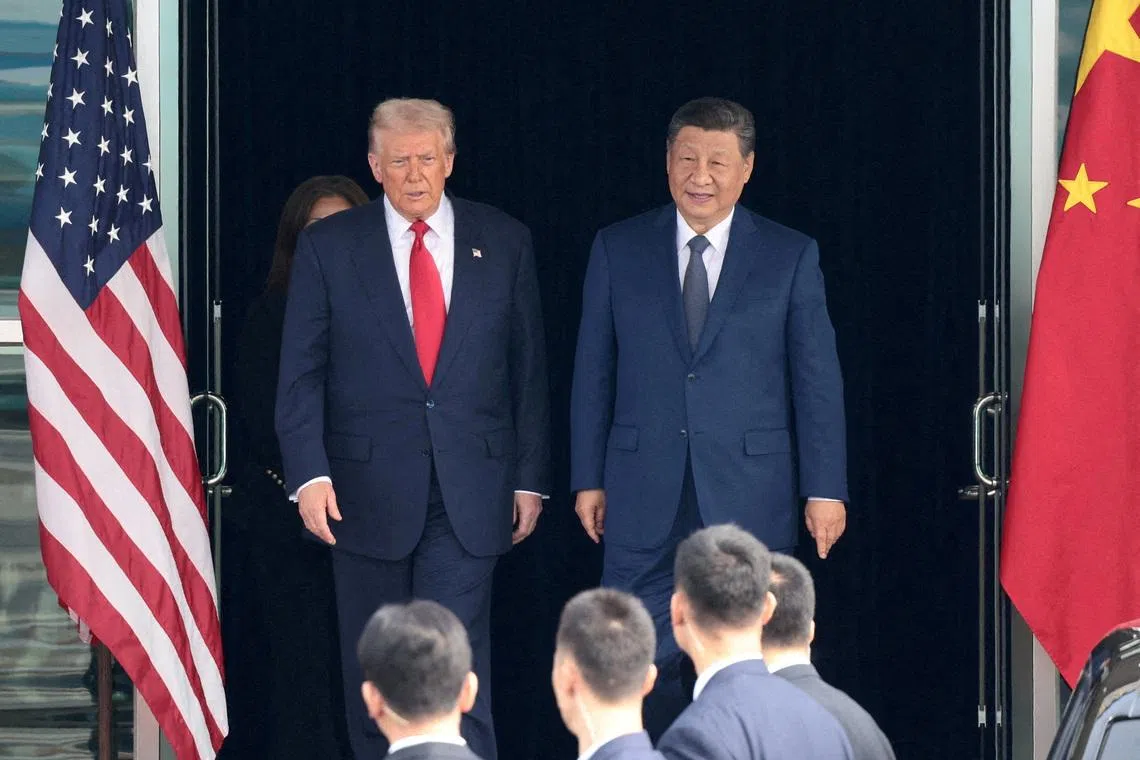
- The White House said on Wednesday that China agreed to postpone Trump's Beijing visit, originally scheduled for 31 March to 2 April, with Trump previously suggesting a delay of "five or six weeks" and the meeting now likely in May.
- Trump and Xi Jinping's summit is expected to address the next phase of the US-China trade war — under a temporary truce since October — and is now likely to include Trump's war with Iran on the agenda.
- Chinese officials were reportedly "apoplectic" at the lack of US planning for the tightly choreographed event, though Beijing never officially confirmed the original dates, making the last-minute delay a quiet relief to Beijing.
- An NBC News poll found more than half of registered US voters disapprove of strikes on Iran, including more than one-third of non-MAGA Republicans, giving China leverage ahead of midterms where Republicans hold a four-seat majority.
- China's export-dependent economy saw exports grow 22% in January and February, while economists warn US inflation and unemployment effects from tariffs have yet to fully materialize, compounding energy-price pressure from the Iran war.
- Chinese purchases of US soya beans evaporated after Trump's April 2025 trade war launch and resumed only after the October truce, with one study estimating China retaliation cost Republicans four seats in the 2018 midterms — a playbook Beijing knows how to repeat.
- Analysts warn that a weakened Trump could empower the sidelined Republican China hawks, since Trump's administration has actually approved some advanced semiconductor exports to China and delayed weapon sales to Taiwan — both Beijing priorities.
Why it matters: Beijing faces a paradoxical calculation: Trump's midterm vulnerability (Republicans hold just a four-seat majority, voters disapprove of the Iran strikes) gives China trade-leverage via the soybean retaliation playbook that cost Republicans four seats in 2018. But a weakened Trump could resurrect Republican China hawks who have been sidelined for 18 months, and Trump's actual softer posture on semiconductor exports and Taiwan arms has been a net positive for Beijing — making political stability in Washington arguably more valuable to China than a Democratic midterm win.
Ask SkimNews