Portugal Probes US Use of Lajes Base in Iran War — SkimNews
Get the Geopolitics newsletter
Daily geopolitics — wars, elections, sanctions, the diplomatic moves that move markets. Free.
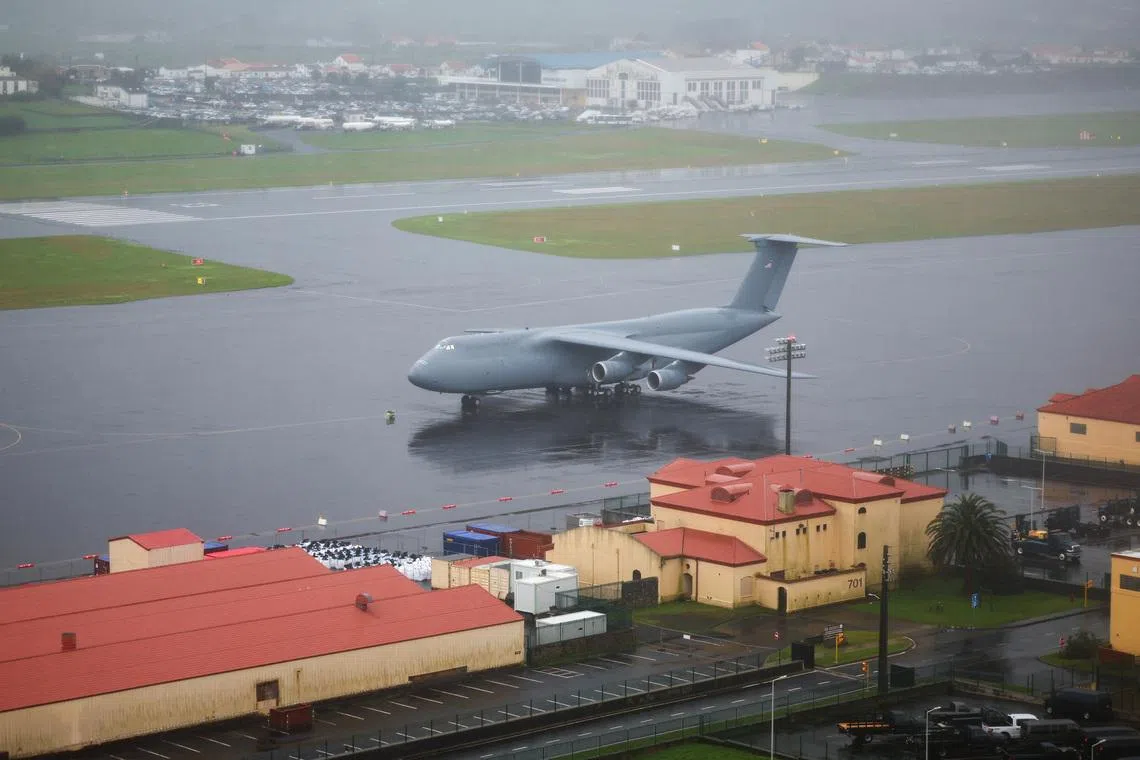
- Portuguese prosecutors opened a probe on Saturday into the legality of the centre-right government's authorisation of US use of Lajes Air Base in the Azores during the Iran conflict, triggered by a complaint from the Left Bloc party.
- Portugal authorised several US transit flights through Lajes, unlike neighbouring Spain, a decision that drew criticism from left-wing opposition and sparked a domestic political debate over Lisbon's role in the conflict.
- The Left Bloc asked prosecutors in April to investigate, arguing the US use of the base amounted to a 'gross violation of international law.'
- Foreign Minister Paulo Rangel defended the authorisation, saying Portugal was not involved in the conflict and that the base use complied with international law after receiving US assurances that operations would be 'defensive, necessary and proportionate, and limited to military targets.'
- Under a 1951 bilateral defence treaty, the US can use Lajes without prior authorisation during peacetime, but requires Portugal's approval once hostilities begin — the distinction central to the probe.
- Portugal's Foreign Ministry declined to comment on the investigation, while the Prosecutor General's Office noted Portuguese prosecutors are bound by the 'principle of legality,' requiring them to investigate alleged wrongdoing when sufficient grounds exist.
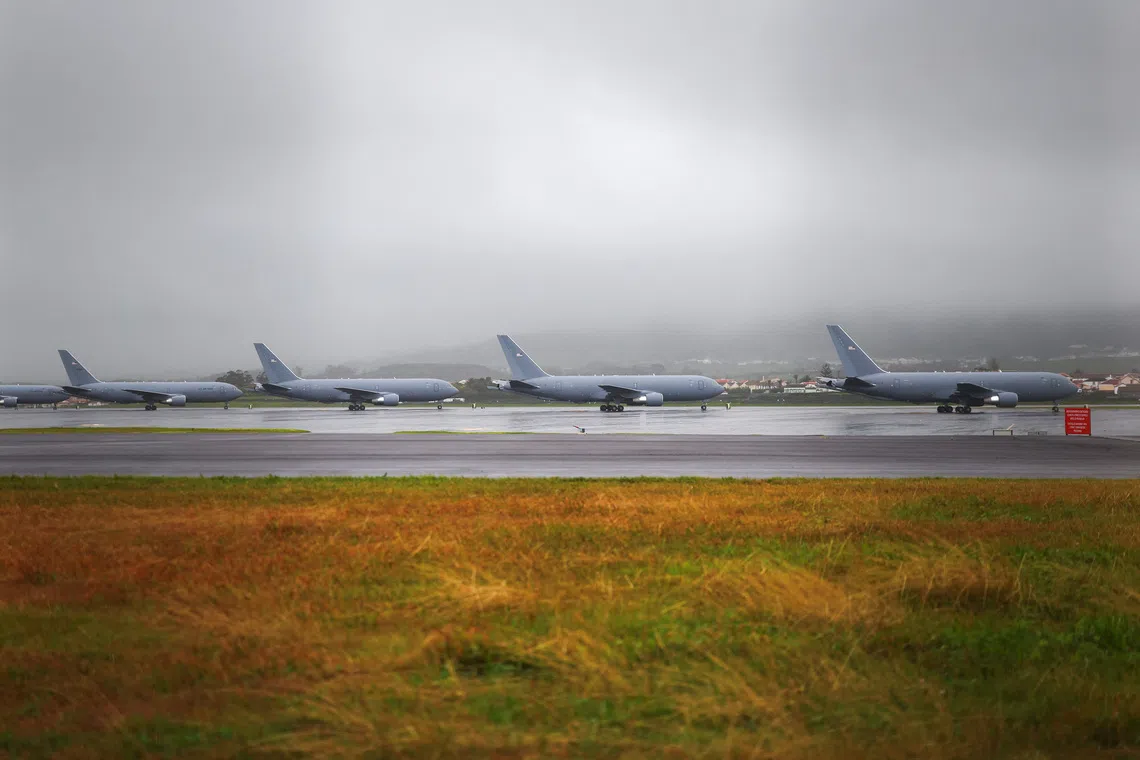
- Lajes Air Base, in Portugal's Atlantic Azores archipelago, hosts the 65th Air Base Wing of the US Air Force and serves as a strategic transit hub for US, NATO, and allied operations.
Why it matters: The probe tests whether Portugal's wartime authorisation of US military transit complied with international law under its 1951 bilateral treaty — a peacetime-versus-hostilities distinction few other NATO allies appear to be scrutinising, with Spain notably declining similar flights. For Portugal's centre-right government, the investigation is a domestic political liability, compounded by the Foreign Ministry's refusal to publicly re-litigate the decision.
Ask SkimNews