Trump Visits China, Xi Warns Taiwan, China Leads PPP — SkimNews

SkimNews Take
The shift in regional logistics, with Korea as a potential hub, reflects a strategic hedging by the US to maintain operational flexibility in the face of China's growing influence and the perceived unreliability of traditional alliances.
Get the Geopolitics newsletter
Daily geopolitics — wars, elections, sanctions, the diplomatic moves that move markets. Free.
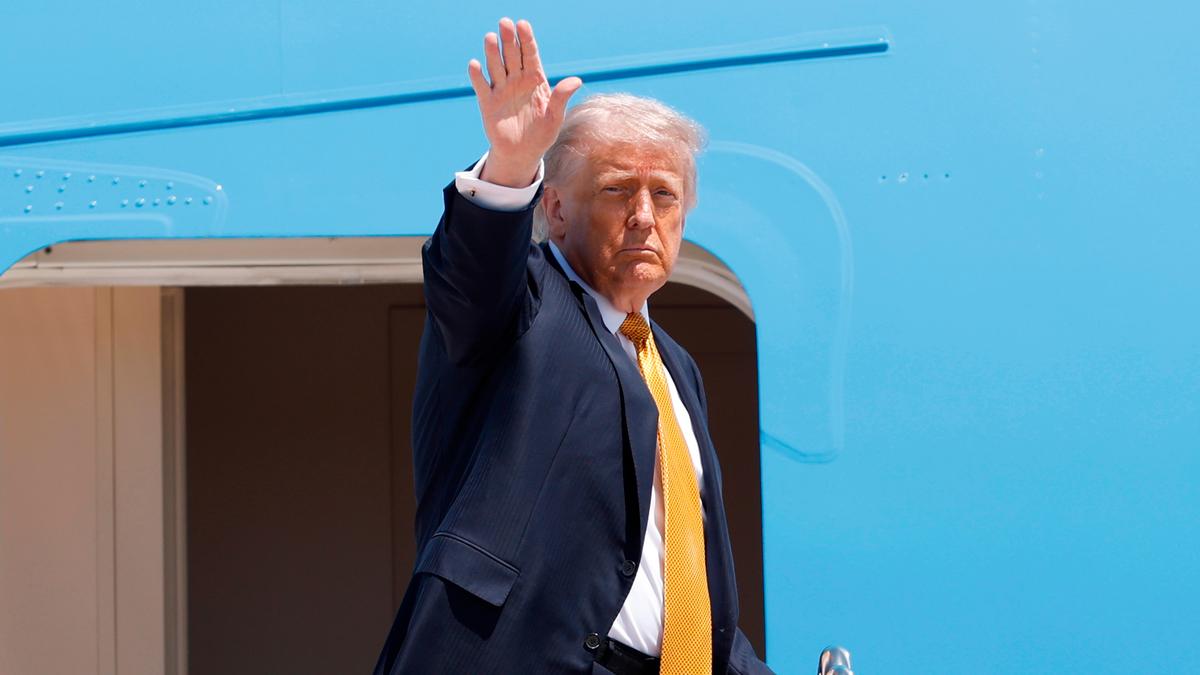
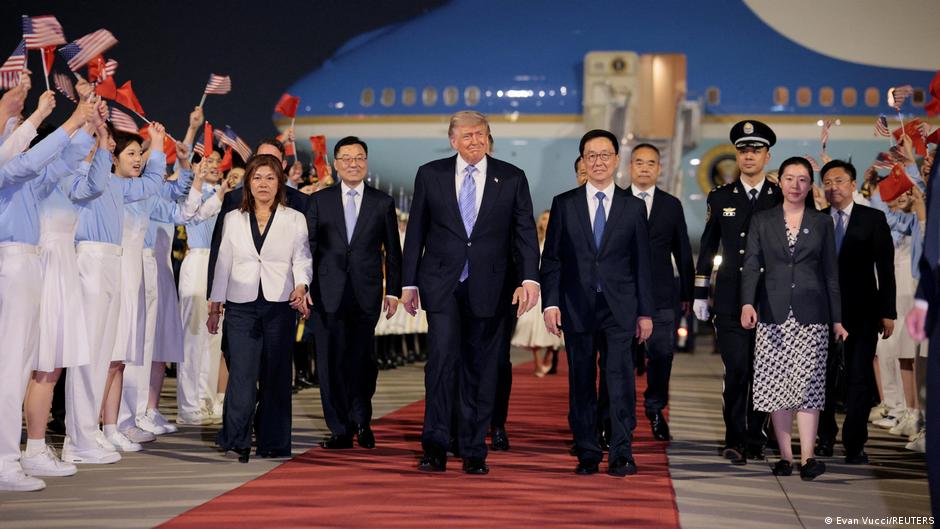
- Trump arrived in Beijing on May 14, 2026, marking the first U.S. presidential state visit to China since 2017, and praised Xi as a “great leader” and China as a “great country.”
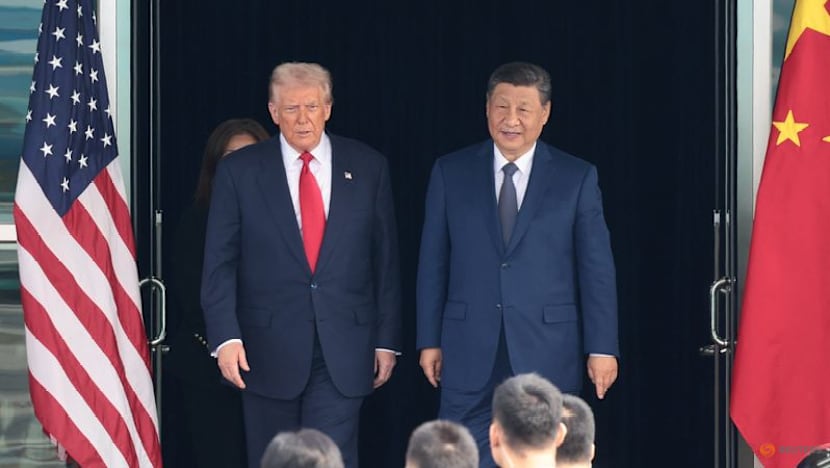
- Xi warned during the meeting that mishandling Taiwan could lead to “clashes and even conflicts.”
- China surpassed the United States in purchasing‑power‑parity (PPP) terms more than a decade ago and continues widening the economic gap as of 2026.
- U.S.–South Korea alliance is being viewed as transactional, with Trump treating Seoul and Tokyo as interchangeable free‑riders, prompting South Koreans to question the alliance’s “blood” legitimacy.
- Operation Epic Fury – the February 2026 U.S.–Israeli campaign against Iran – triggered Iranian retaliation that struck the UAE with 1,422 drones and 246 missiles in the first ten days, exposing limits of U.S. protection.
Why it matters: South Korea stands to become the primary logistics hub for any U.S.–China clash, while the U.S.’s limited ability to shield allies—evidenced by 1,422 Iranian drones and 246 missiles hitting the UAE—raises the stakes for Korean security and regional supply chains.
Ask SkimNews