Fire Point's Flamingo missile runs on $100 hobby drone autopilot — SkimNews

Get the Geopolitics newsletter
Daily geopolitics — wars, elections, sanctions, the diplomatic moves that move markets. Free.
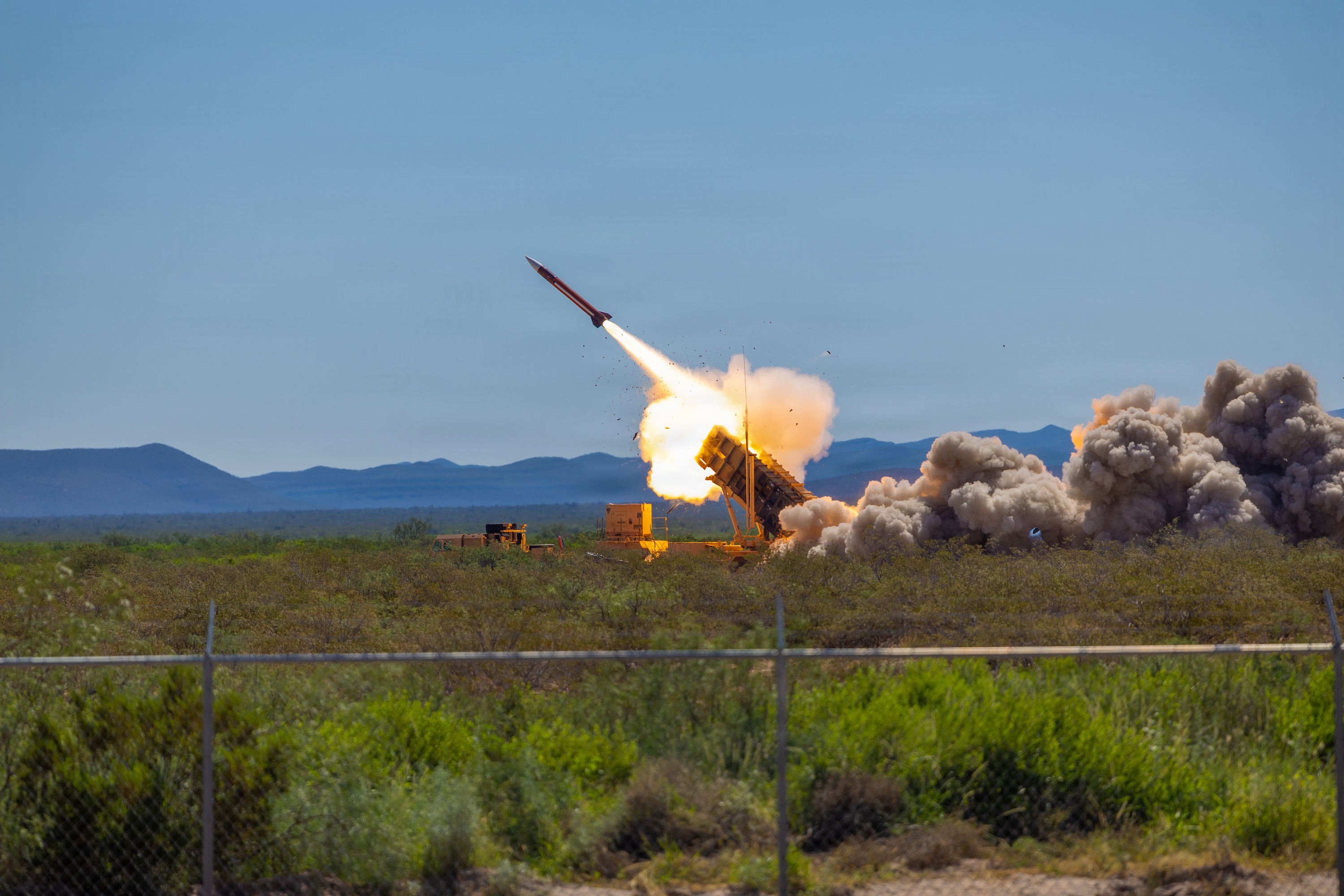
- Fire Point unveiled the FP-5 Flamingo cruise missile at the Eurosatory defence expo in Paris last month — a 6-tonne weapon that can carry a warhead twice as heavy as a Tomahawk for twice the distance, at a fraction of the cost.
- The missile is guided by Ardupilot, an open-source autopilot suite dating to 2009 that runs on hardware costing less than $100 and is widely used by hobbyists on multicopters, model aircraft, boats, and ground vehicles.
- Fire Point CTO Iryna Terekh said open-source software gives Ukraine independence from suppliers who might exit the market or be blocked from exporting, while a community of thousands of engineers rapidly identifies and fixes bugs.
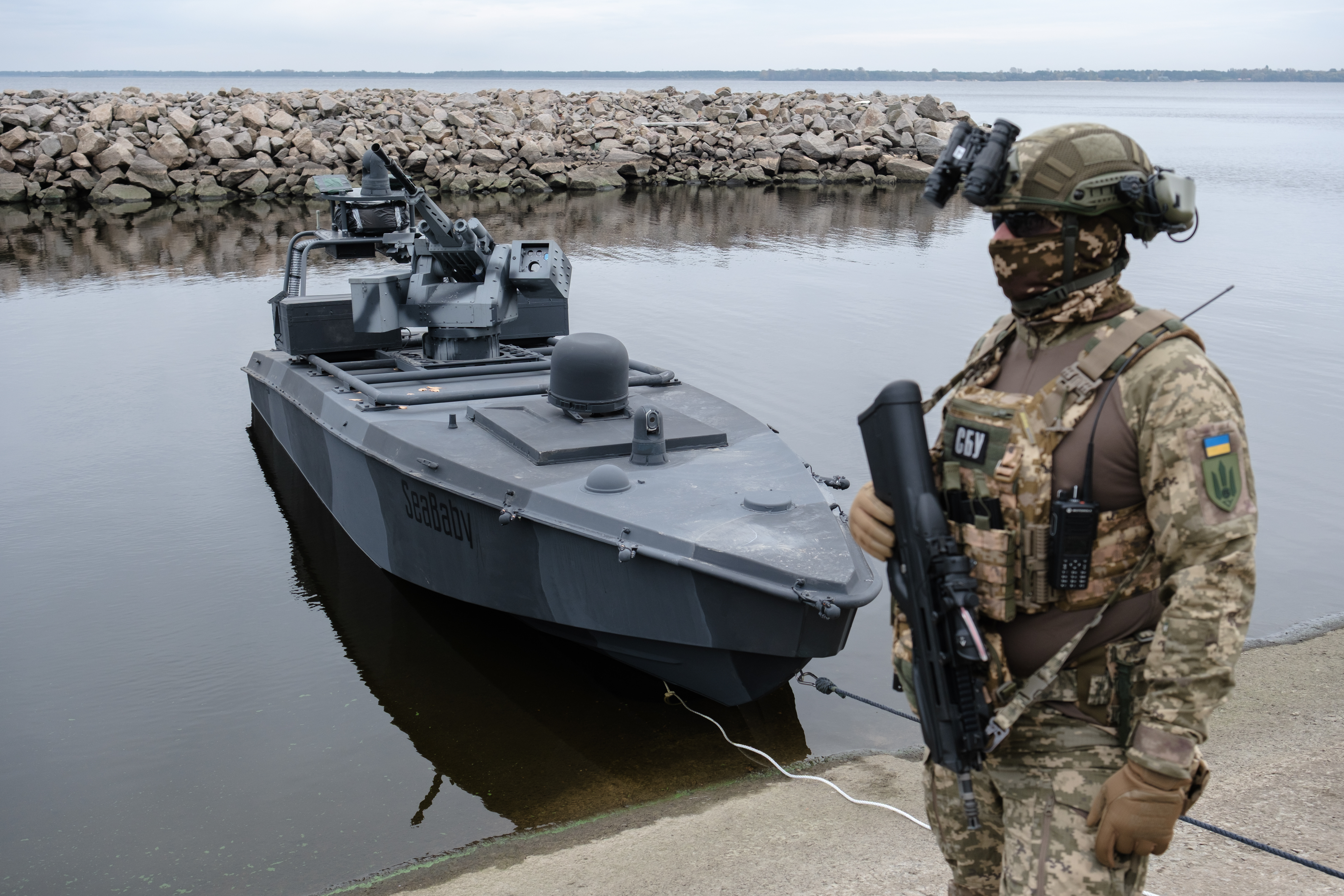
- Roy Gardiner of the non-profit Defense Tech for Ukraine called Ardupilot 'one of the world's most extensively tested autopilots' and noted that Ukraine's fleet of small drones already runs largely on open-source controllers including Ardupilot, Betaflight, and PX4.
- Russia is following the same trajectory: its newer 'Seeker' version Shahed drones carry a camera and Raspberry Pi 4 processor with AI software to lock on to targets, according to Ukrainian drone expert Serhii Beskrestnov.
- The shift calls into question the long-run viability of expensive custom military systems — Gardiner said bespoke electronics will likely only be justified for 'the most demanding requirements,' giving small states and non-state actors access to strike capabilities once reserved for the wealthiest nations.
Why it matters: A $100 open-source chip steering a 6-tonne missile that carries twice a Tomahawk's warhead for twice the range shows the cost barrier to long-range precision strike has collapsed. Ukraine built this at a fraction of Western missile prices, and Russia is matching the approach with Raspberry Pi-powered Shaheds, eroding the traditional advantage that well-funded militaries held over smaller adversaries.
Ask SkimNews