Trump’s Iran War Exposes U.S. Military Limits, Shifts Indo-Pacific Strategy — SkimNews

Get the Geopolitics newsletter
Daily geopolitics — wars, elections, sanctions, the diplomatic moves that move markets. Free.
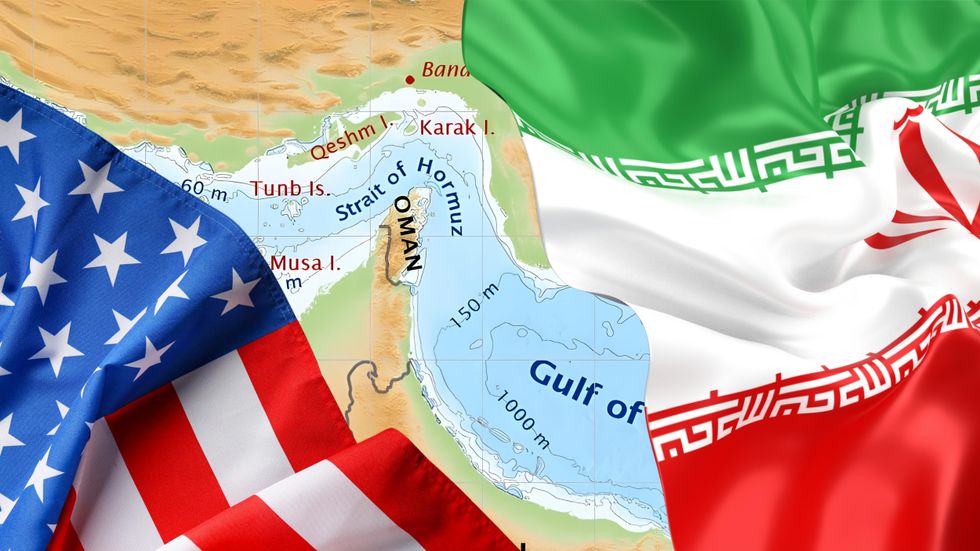
- Trump has declared a U.S. naval blockade of the Strait of Hormuz and banned tolls, directly challenging Iran and risking renewed escalation after the failed April 11 Islamabad negotiations.
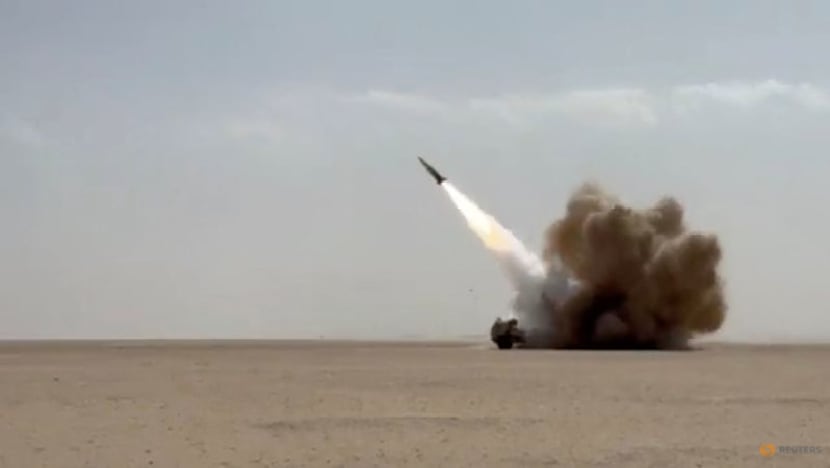
- Iran's missile and drone attacks on Gulf states have overwhelmed existing U.S.-made defense systems, revealing gaps that are now driving global demand for low-cost, Ukrainian-style anti-drone defenses.
- North Korea's Kim Jong Un has publicly credited his country's nuclear arsenal with deterring an attack like the one Iran suffered, reinforcing concerns about nuclear proliferation in the Indo-Pacific.
- Japan's official circles are holding unusually open discussions about abandoning its nuclear taboo, driven by doubts over the reliability of U.S. extended deterrence and fears South Korea may go nuclear first.
- U.S. military stockpiles of advanced missiles and interceptors were rapidly depleted in weeks of combat against a weakened Iran, raising serious questions about the sustainability of American deterrence against stronger adversaries like China.
- Gulf states including Saudi Arabia, UAE, and Qatar proved vulnerable to Iranian drone swarms, underscoring the strategic importance of diversified defense systems and the global shortage of Patriot and THAAD interceptors.
Why it matters: The U.S. appears overstretched despite a $1 trillion defense budget, with military transfers to the Middle East creating potential openings in the Indo-Pacific. This undermines the credibility of American security guarantees, making nuclear proliferation in Japan or South Korea more likely and increasing pressure on Taiwan and allies to build larger strategic reserves and defenses.
Ask SkimNews